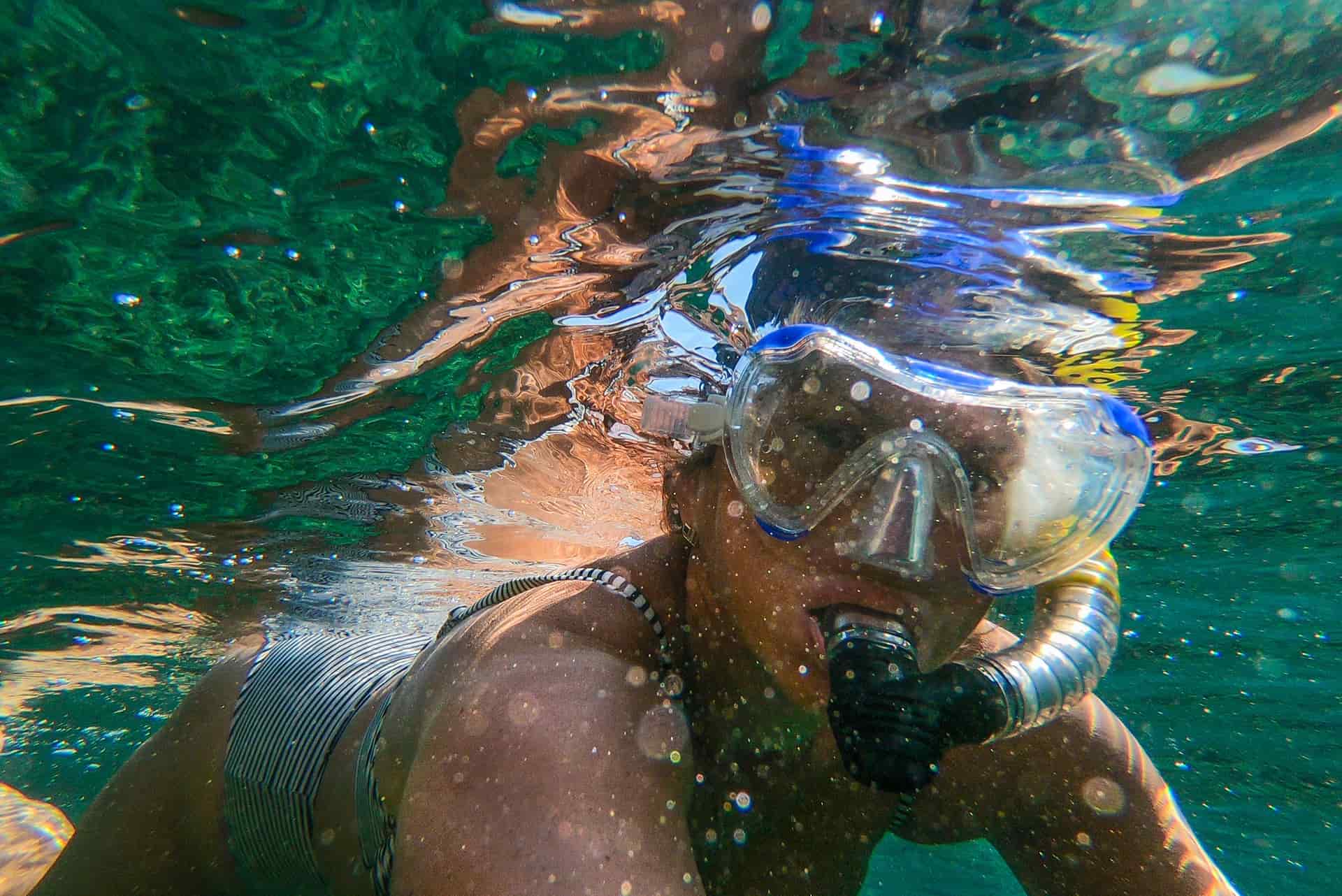
The best action cameras
Seven cameras ranked on depth, stabilization, cold-weather battery and mounts — not on megapixels.
Four brands, three that matter, and one specification that decides more than resolution ever will.
We earn a commission if you buy through our links, at no extra cost to you. It never changes what we recommend or the order we rank it in — how this works.
01
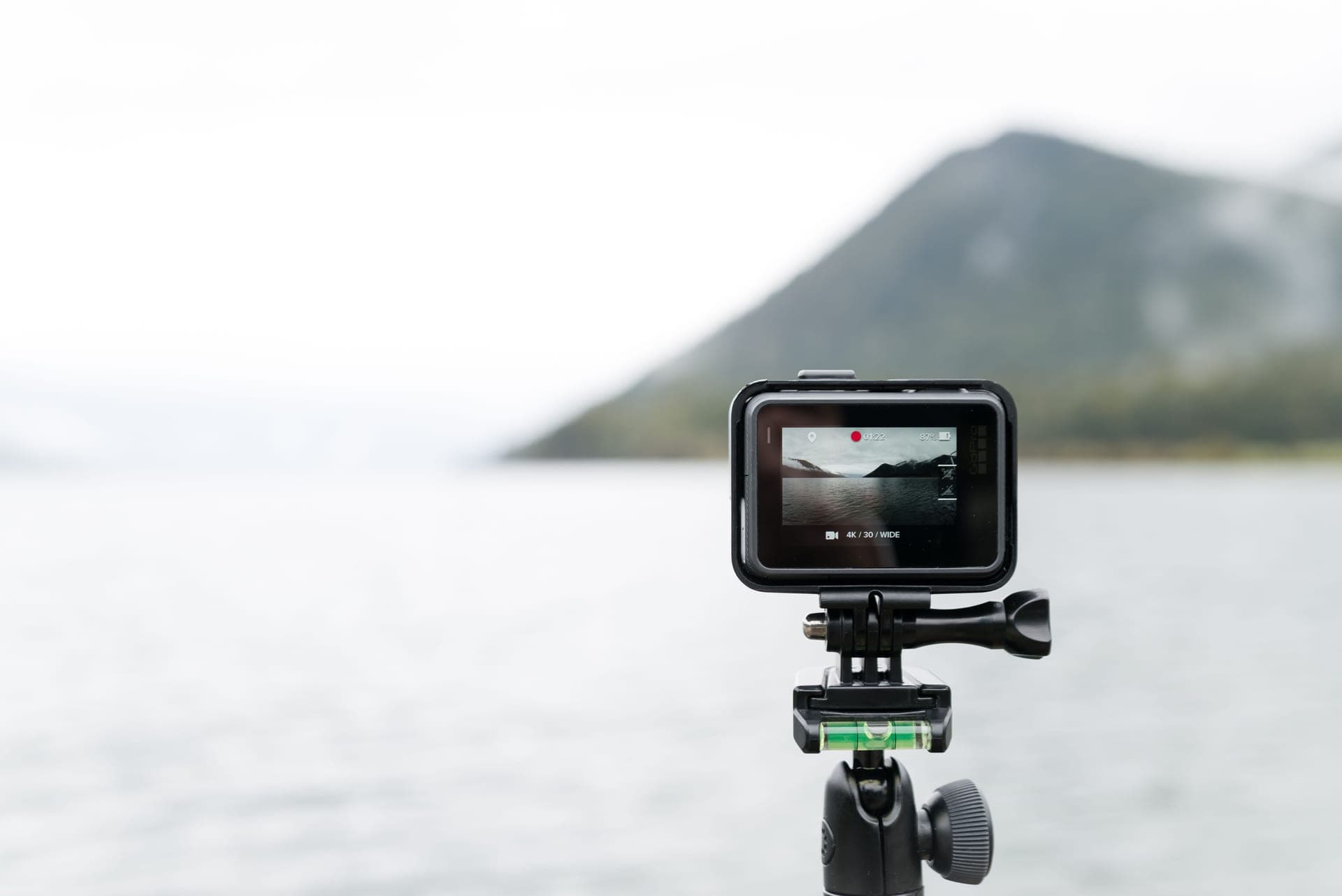
Every action camera sold today shoots footage that looks fine on a phone. That stopped being the interesting question years ago. What separates them now is whether the camera survives the thing you bought it for — and for lake and trail use, that comes down to four numbers the marketing pages bury under resolution claims: how deep it goes without a housing, how steady it is on a moving platform, how long the battery lasts at the temperature you actually paddle in, and whether it mounts to the thing you need to mount it to.
The single most useful specification on an action camera is its bare waterproof rating, because it decides whether you need a housing, and a housing changes everything else. GoPro rates the HERO13 Black to 33ft (10m). DJI rates the Osmo Action 5 Pro to 20m without its case. Insta360 rates the Ace Pro 2 to 39ft (12m). Those are not small differences — a camera that clears your depth without a housing has better audio, no fogging risk from sealed air, and one less thing to flood.
Everything past those numbers needs a case, and once you are in a case you are buying anti-fog inserts too. That is not a reason to avoid housings — the depth table shows exactly where the line falls for each model — but it is a reason to know your real depth before you choose. Most people filming a lake never go below fifteen feet. If that is you, the bare rating is the only depth number that matters.
There are really three shapes of camera here, and they solve different problems.
Flat action cameras — HERO13 Black, Osmo Action 5 Pro, Ace Pro 2 — point where you aim them. They are the default: best stabilization, best mounts, the simplest edit. If you are filming a trail from a bar mount or a paddle stroke from a chest mount, this is the shape you want.
360 cameras — the Insta360 X5 and X4 — record everything and let you choose the angle afterward. On the water this is genuinely transformative, because you cannot stop mid-stroke to reframe. The cost is an editing step on every single clip, and that step is real work. Read the 360 versus flat comparison before you commit to it.
Tiny cameras — the Insta360 GO Ultra, the GoPro HERO — win by being the camera you actually bring. A 53-gram camera clipped to a strap gets used on days a 150-gram one stays in the dry bag. They give up depth rating and battery to get there.
Sensor size and stabilization set the top of the market; water rating and battery set the useful floor. Between roughly $200 and $400 you are mostly buying better low light and better stabilization in chop. Below $200, the honest trade is that the waterproofing often belongs to a case rather than the camera, and the stabilization gives up exactly when the water gets rough — which is covered plainly in the budget roundup.
The accessories are the part people underestimate. A camera, a card that can actually keep up, a spare battery, a mount that fits your boat and a float is a meaningful percentage on top of the camera price. Budget for it up front instead of discovering it on the second trip.
Buying the camera first and the mount second. The mount is what decides whether the footage is watchable, and it is specific to your boat, bar or helmet — a kayak with no accessory track needs a completely different solution from one with a rail, and neither is solved by whatever came in the box. Work out how you will attach it before you choose which one to attach, starting with the mounts hub.
The second mistake is buying for the trip you imagine instead of the trip you take. Almost nobody needs 8K. Almost everybody needs a spare battery, a float and a card that does not drop frames.
02
Seven cameras ranked on depth, stabilization, cold-weather battery and mounts — not on megapixels.
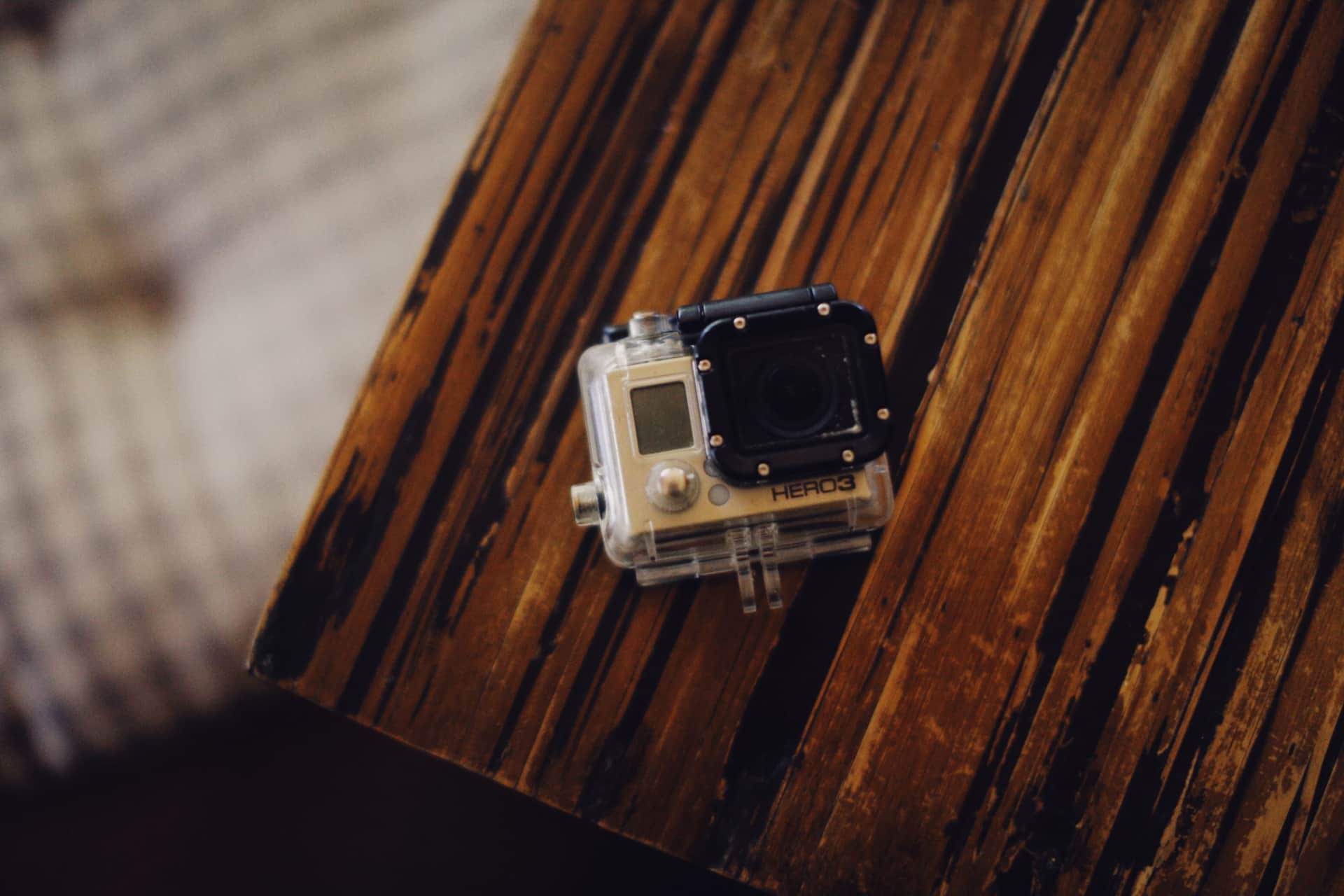
Four cheaper cameras, and a straight answer about which corners got cut to get there.
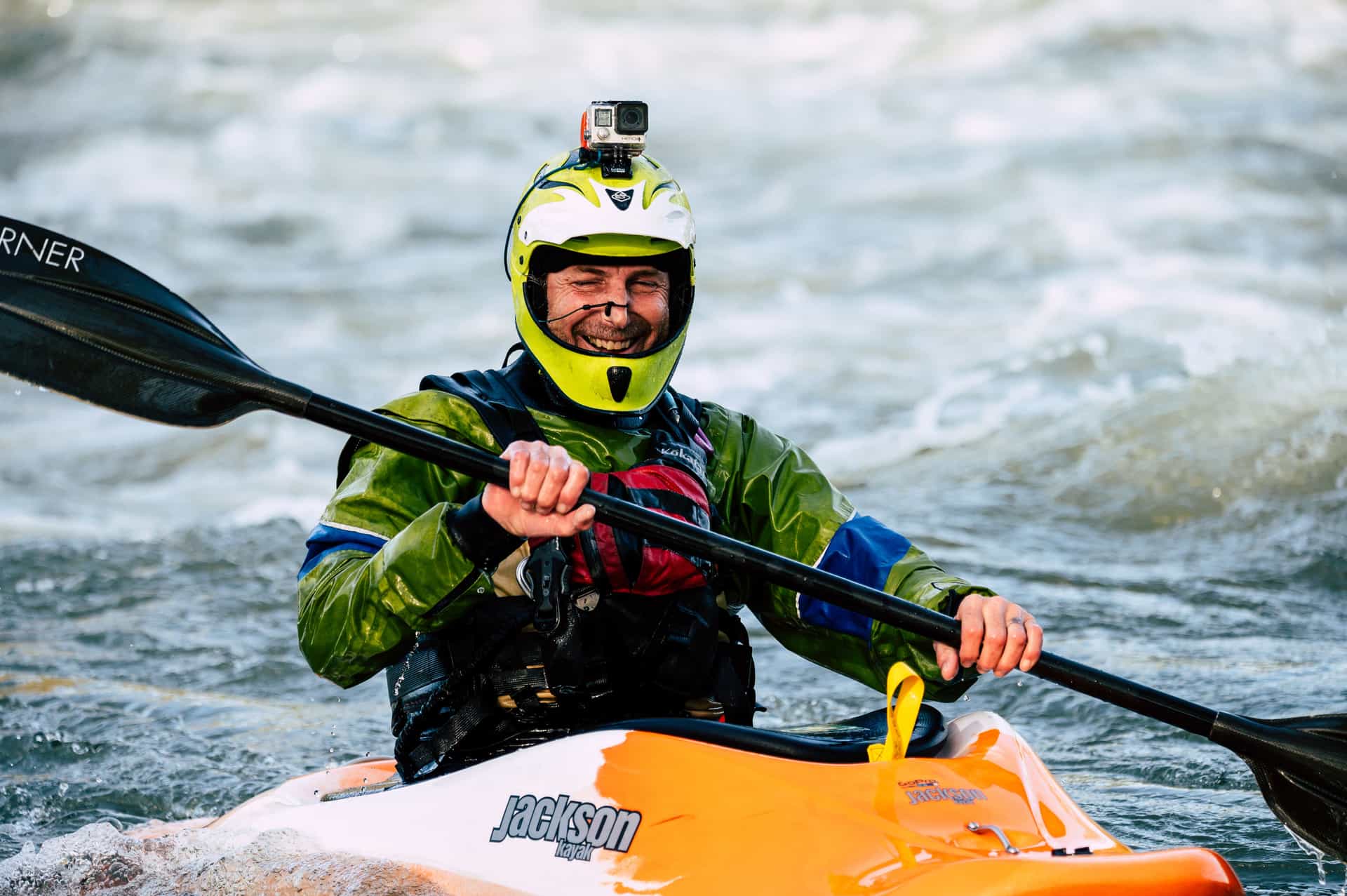
Five cameras that produce good footage before you have learned anything, and what to change first.
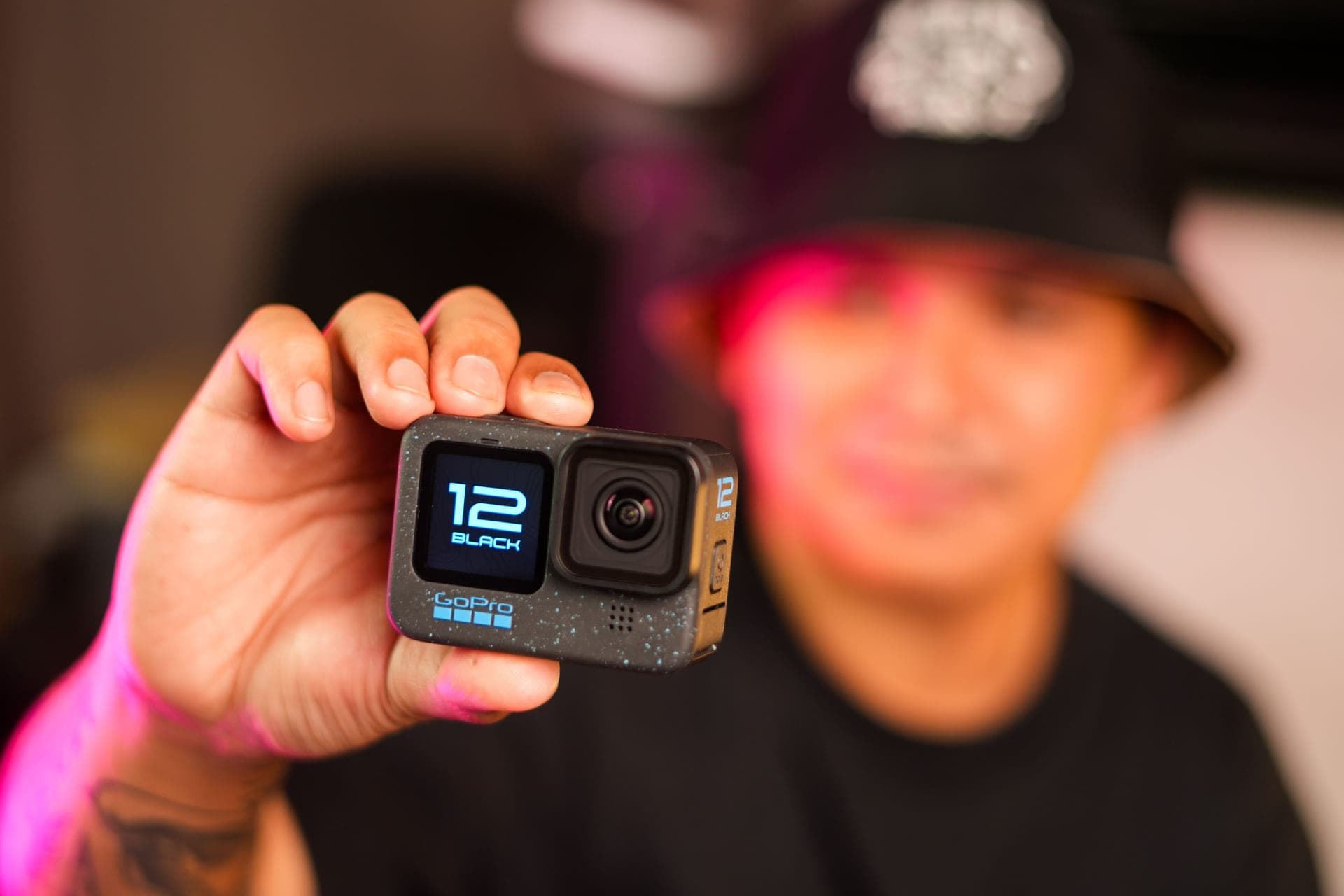
Five cameras for family trips, and a straight answer about why holiday footage goes unwatched.
03
The three-way flagship comparison, decided by what you actually film rather than by spec sheet.
Depth and endurance against stabilization and mounts — the two flagships, scenario by scenario.
Flat against 360 — and an honest account of the editing tax that decides which one suits you.
Five real alternatives, each one better than a GoPro at exactly one thing — and honest about the rest.

The format decision, separated from the brand argument — including the editing cost nobody mentions.
04
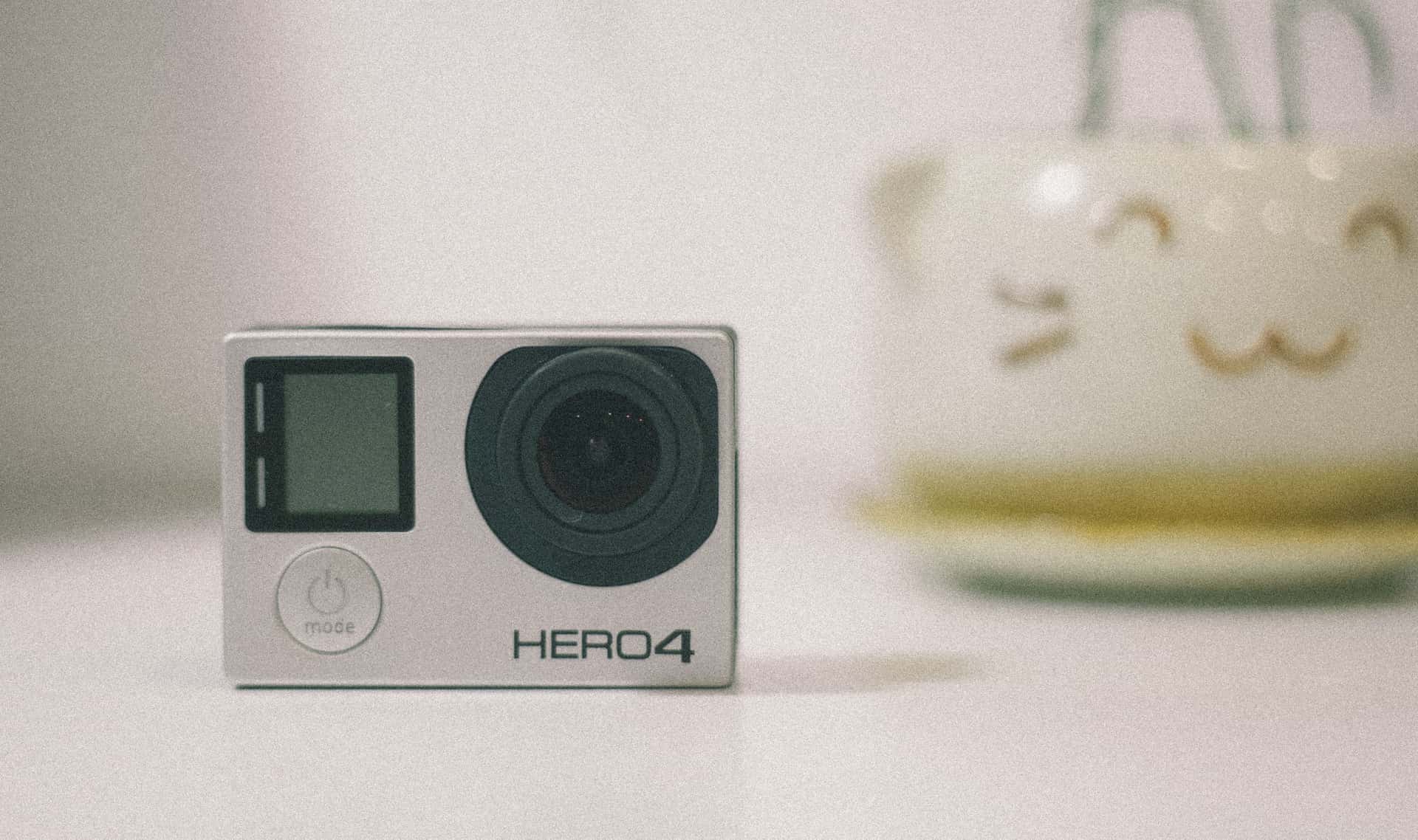
When an action camera earns its place, when a phone is genuinely fine, and what the subscription does.
What 'easy' actually means on the water, and the four cameras that deliver it.
Where a phone genuinely wins, where an action camera does, and why pouches are a bad idea.
05
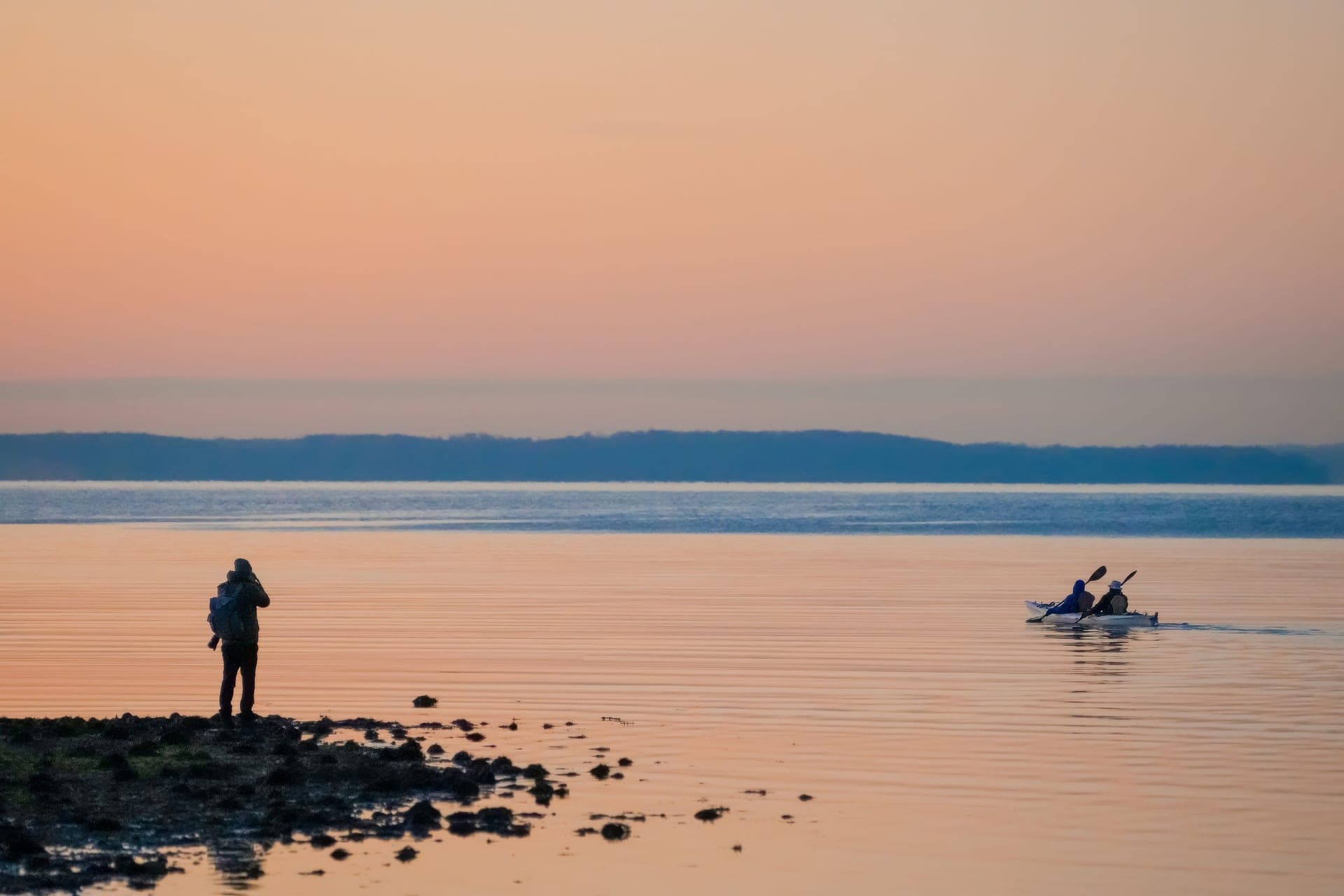
Depth ratings you can check, the fog problem nobody warns you about, and why the float matters more than the camera.
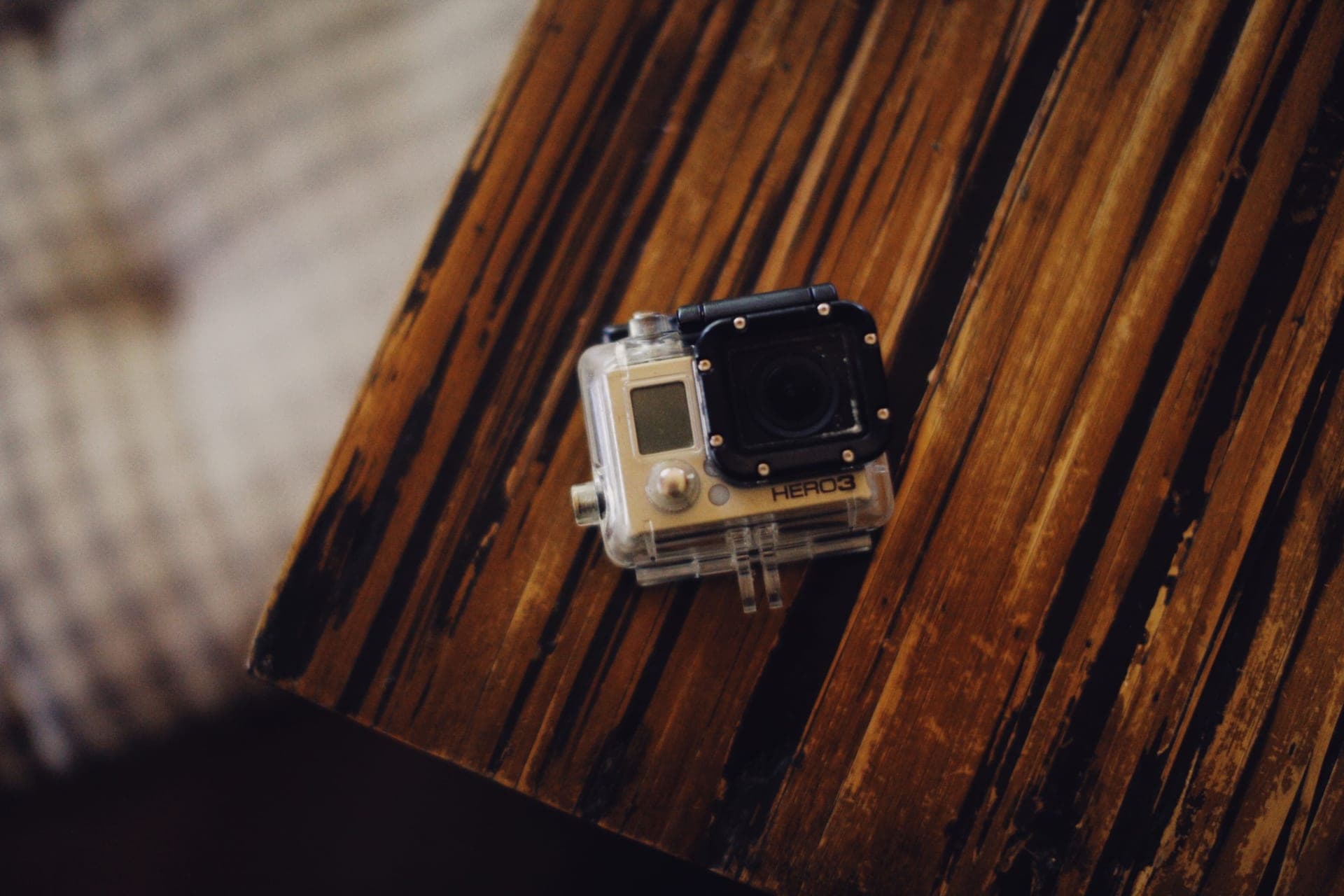
The part that decides whether the footage is watchable, and the part nobody researches until after the camera arrives.
We do not lab-test cameras and we own no test units. Here is exactly what we do instead, and what we refuse to do.