The best action cameras for beginners
Easy does not mean basic. These five get you usable footage on the first trip without a settings rabbit hole.
Part of Cameras.
We earn a commission if you buy through our links, at no extra cost to you. It never changes what we recommend or the order we rank it in — how this works.
01
Quick picks
| # | Product | Best for | Score | Price |
|---|---|---|---|---|
| 01 | GoPro HERO13 Black The safest default for lake and trail: 33ft without a housing, the steadiest footage in the category, and a mount for literally everything. | Anyone who wants one camera to handle the kayak, the bike and the family trip | 8.8/ 10 | |
| 02 | 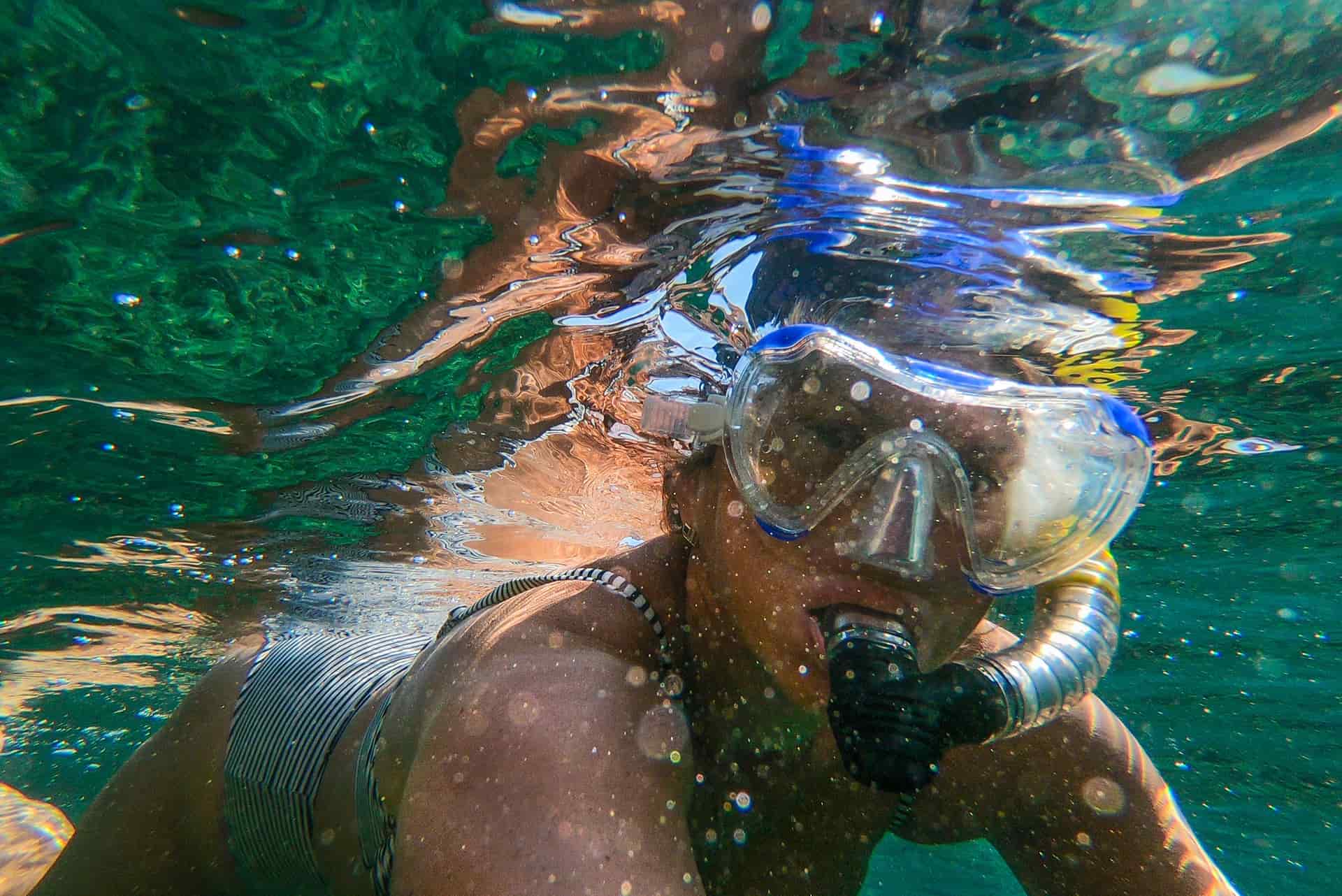 DJI Osmo Action 5 Pro Goes to 20m with no housing at all and publishes a 240-minute runtime — the two numbers that decide a long, wet, cold day. | Long paddles, cold water, and anyone tired of buying a housing to get past 10m | 9.1/ 10 | |
| 03 | 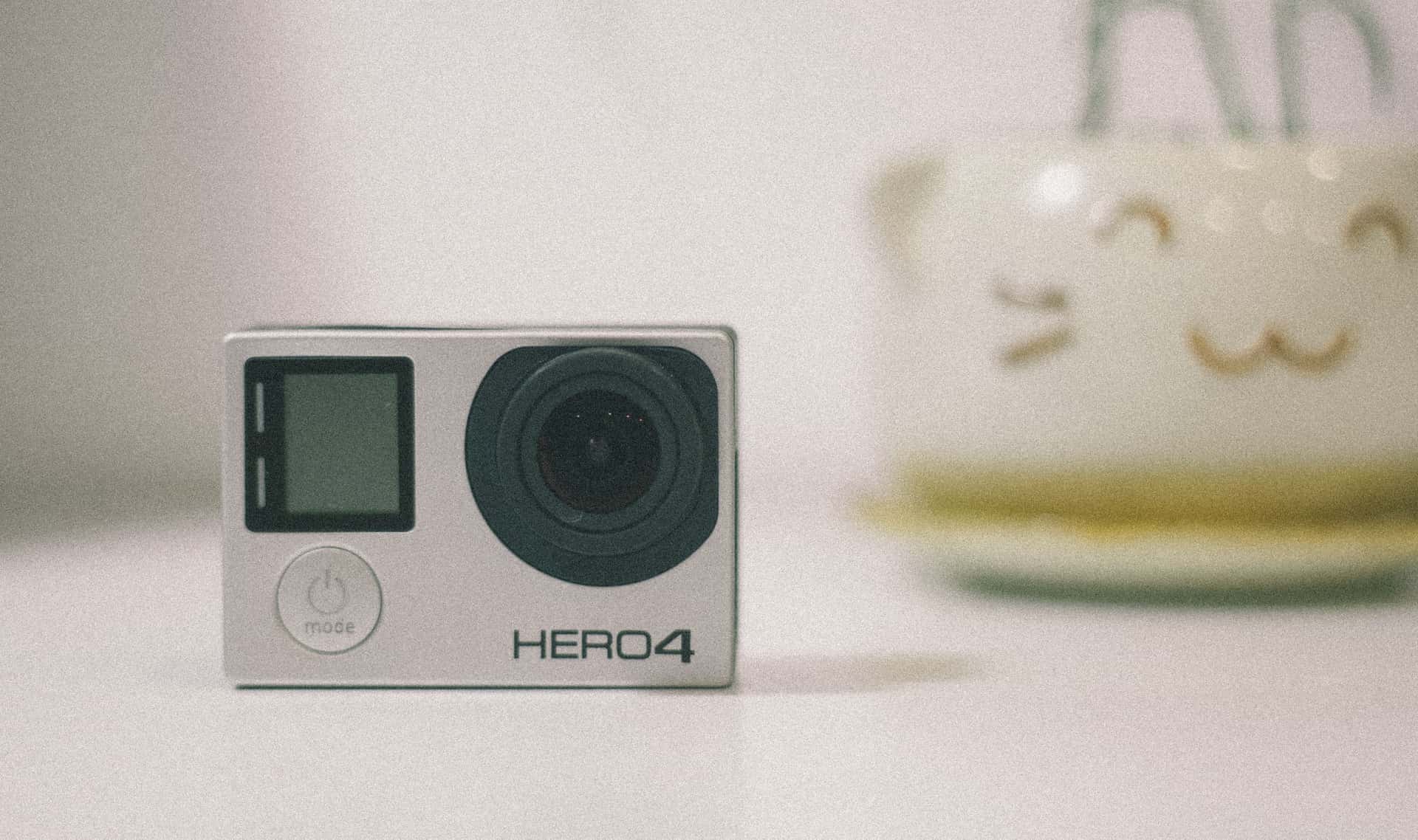 GoPro HERO (2024) The cheapest real GoPro, and the one whose 16ft rating you have to take seriously before you take it snorkeling. | A first camera, a kid's camera, or a second angle that mounts anywhere | 7.1/ 10 | |
| 04 | 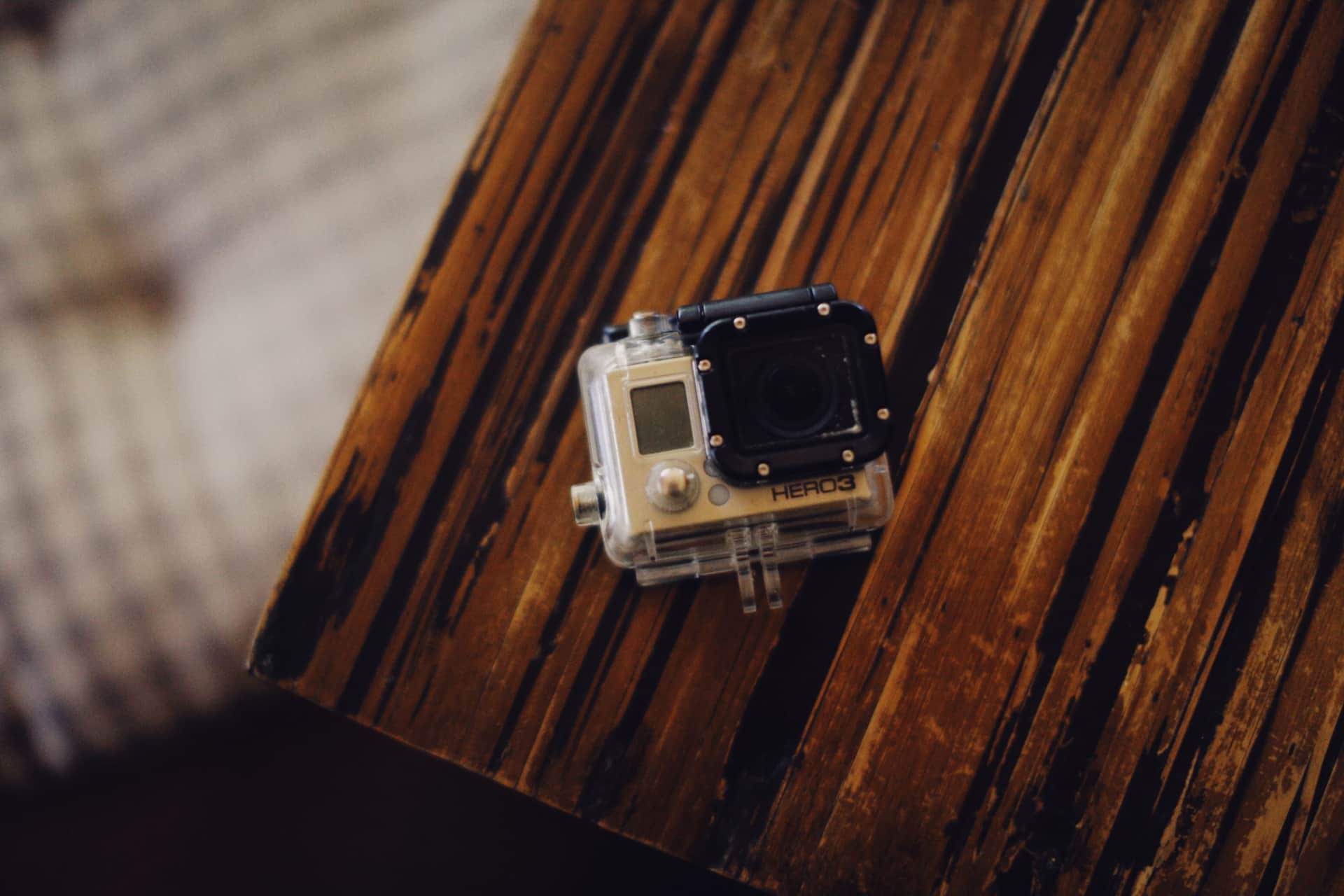 AKASO Brave 8 Lite Two batteries and a bag of mounts in the box at a fraction of flagship money — buy it knowing the stabilization gives up first. | A pool, a calm lake, a first camera you are not precious about | 7.4/ 10 | |
| 05 |  Insta360 GO Ultra 53 grams and IPX8 to 10m on its own — the camera you actually clip on for a paddle instead of leaving in the dry bag. | Hands-free clips where a full-size camera would never leave the bag | 7.6/ 10 |
Scores are our editorial judgment from published specs and named independent reviews, weighted for lake and trail use — not measurements. We have not tested these units and do not own them.
02
How we picked
We do not lab-test, bench-test or dive-test cameras, and we do not own test units. What we do instead is read the manufacturer's published specifications, read the independent reviews that genuinely do test, read owner reports for the failure modes specs never mention — fogging, salt corrosion, cold battery collapse, mount slippage — and then weight all of it for action cameras used on lake and trail. Where a number is not published, the page says “not published” rather than filling the cell.
The full method, including what we refuse to do, is on the editorial policy page.
- 30%Water survival
- Rated depth without a case, door design, and what the manufacturer actually publishes.
- 25%Stabilization in chop
- A kayak deck and a rooty trail shake in ways a handheld walk test never shows.
- 20%Battery in the cold
- Published runtime, spare-battery cost, and whether it charges while recording.
- 15%Mount ecosystem
- Finger mount, threaded, magnetic — and how much of it you have to re-buy.
- 10%Footage you will keep
- Lens replaceability, low-light behavior, and how much cutting the footage needs.
What makes a camera easy to start with
Not fewer features. All of these have far more settings than a beginner needs, and that is fine — the question is whether the camera does something sensible when you ignore them.
Three things actually matter for a first camera. Good defaults, so the footage is usable before you have learned anything. A mounting system you can work with cold or wet hands, because fiddly mounts are where beginners give up. And a depth rating you cannot accidentally exceed, so the first swim is not also the last.
The three settings to change on day one
Everything else can wait. These three make the largest difference and take two minutes.
1. Drop from the maximum resolution to 4K. Whatever the box says the camera can do, shoot 4K rather than 5.3K or 8K. You get longer battery, cooler running, smaller files you will actually edit, and detail nobody can see the difference in on a phone.
2. Turn stabilization on and leave it on. It is usually on by default. Do not turn it off to “get the full sensor” — the crop is small and the steadiness is the entire reason modern action footage is watchable.
3. Set the screen to turn off after 30 seconds. The screen is the largest power draw on the camera, and nothing you do with it while mounted is useful.
That is it. Color profiles, bit rates, log modes and frame-rate experiments are all worth exploring later, and none of them will improve your first ten trips as much as shooting shorter clips will.
The four things to buy with it
This is the part beginners consistently under-budget, and every one of these is cheaper than a camera upgrade would be.
A V30 memory card. Not optional — a slow card drops frames or stops recording, and you discover it at home. The card roundup explains why the big number on the packet is the wrong one to read.
A spare battery, or a power bank if the camera's battery is built in. Published runtimes are measured in conditions that flatter them.
A float, if there is any water at all. Every camera here sinks — floats and tethers.
One mount that suits what you actually do. One. Not a kit of twenty. The mounts hub sorts them by what you are attaching to.
Where to put it
Mount position changes footage more than a camera upgrade does, and beginners almost always pick the easiest position rather than the best one.
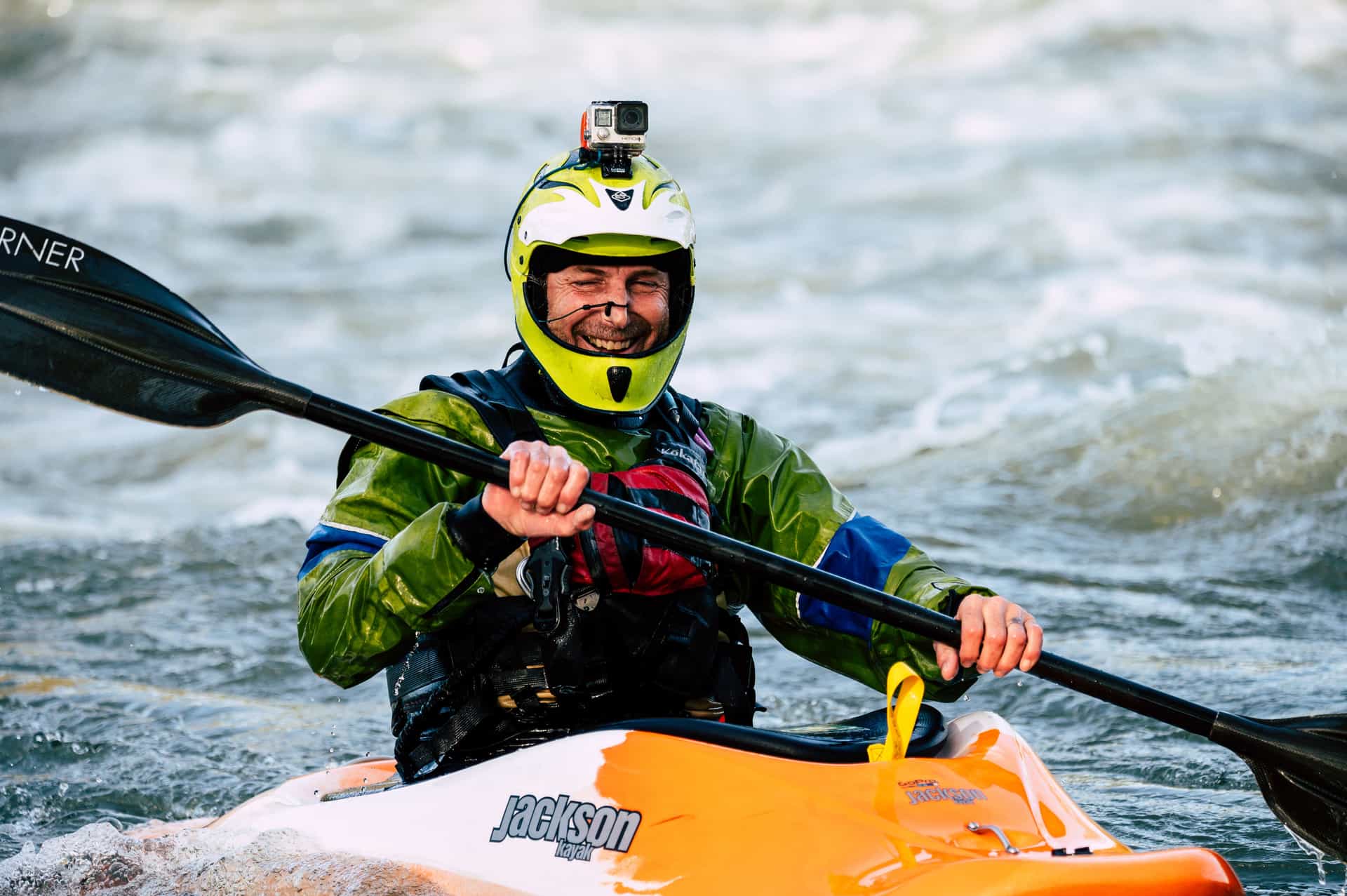
On a kayak: higher and further back than instinct says. Low and forward gets spray on the lens every few strokes — the kayak guide works through the positions.
On a bike: a chest mount is the most flattering and the steadiest, a helmet mount shows where you are looking, a bar mount is the shakiest and the most dramatic. Try chest first.
Walking: chest or a short handheld grip. Head-mounted walking footage is nauseating to watch.
03
Every pick, in detail
- 33ft (10m), no housing
- 1900mAh Enduro
- 1.5h at 5.3K30 / 2.5h at 1080p30
- 8.0
- 9.5
- 8.5
- 9.5
- 9.0
GoPro HERO13 Black
GoPro
The safest default for lake and trail: 33ft without a housing, the steadiest footage in the category, and a mount for literally everything.
Anyone who wants one camera to handle the kayak, the bike and the family trip
The easiest camera here to get help with, which for a beginner is worth more than any specification. Every mount, every tutorial, every forum answer assumes a GoPro. Its defaults are also sensible: leave it on and HyperSmooth will make almost anything watchable.
- HyperSmooth 6.0 with AutoBoost is the steadiest stabilization we can find published figures for
- Built-in mounting fingers plus 1/4-20 threads — it fits the GoPro ecosystem and a normal tripod
- Enduro battery is rated to keep full camera functionality down to 14°F (-10°C)
- Replaceable lens cover, so a scratched lens is a $20 problem and not a $400 one
- 33ft is shallower than the DJI and it is the shallowest of the three flagships
- Anything past 33ft needs the separate Protective Housing
- HB-Series lenses and ND filters are all extra purchases
Specs from GoPro HERO13 Black published specifications.
- 20m bare / 60m with case
- 1950mAh · 240 min at 1080p24
- -20° to 45°C
- 9.5
- 9.0
- 9.5
- 8.0
- 9.0
DJI Osmo Action 5 Pro
DJI
Goes to 20m with no housing at all and publishes a 240-minute runtime — the two numbers that decide a long, wet, cold day.
Long paddles, cold water, and anyone tired of buying a housing to get past 10m
The most forgiving camera on the page. 20m bare means you genuinely cannot get it wrong in water, and 240 published minutes means it is unlikely to die before you do. The magnetic quick-release is also the easiest mounting system to use with cold hands.
- 20m without the Waterproof Case — double the bare-camera depth of the HERO13 Black
- DJI publishes 240 minutes of recording at 1080p/24 with screens off, the longest figure in this set
- Rated to -20°C, which matters more on an October lake than any resolution number
- 1/1.3-inch sensor holds detail when the light goes flat
- Mount ecosystem is smaller than GoPro's, and magnetic quick-release adapters are their own purchase
- 146g — the heaviest of the flagship three
- Fewer third-party mounts and filters exist for it
Specs from DJI Osmo Action 5 Pro published specifications.
- 16ft (5m)
- 4K30, 2.7K60 slo-mo
- Built in, not user-removable
- 6.0
- 7.5
- 6.0
- 9.0
- 7.0
GoPro HERO (2024)
GoPro
The cheapest real GoPro, and the one whose 16ft rating you have to take seriously before you take it snorkeling.
A first camera, a kid's camera, or a second angle that mounts anywhere
The cheapest sensible starting point and small enough to be unintimidating. Two things to know on day one: 16ft (5m) is a shallow rating, and the built-in battery means you cannot carry a spare.
- Genuinely tiny — 46% less mass than HERO13 Black
- Built-in mounting fingers, and GoPro lists it as compatible with 35+ mounts
- HyperSmooth stabilization at the lowest GoPro price
- Simple enough to hand to someone who has never used one
- 16ft (5m) is a snorkel-adjacent rating, not a diving one
- The battery is built in — you cannot carry a spare, you carry a power bank
- 4K30 is the ceiling; no 4K60, no high-frame-rate 4K
Specs from GoPro HERO published specifications.
- IPX8 10m / 60m with case
- 2 × 1550mAh included
- 140 min at 4K / 150 min at 1080p
- 7.5
- 6.5
- 8.0
- 8.5
- 6.5
AKASO Brave 8 Lite
AKASO
Two batteries and a bag of mounts in the box at a fraction of flagship money — buy it knowing the stabilization gives up first.
A pool, a calm lake, a first camera you are not precious about
Everything in the box — two batteries, a charger, seven mounts — which removes the second purchase most beginners do not realize is coming. Accept that the footage gives up in chop.
- IPX8 to 10m bare, which matches the HERO13 Black's rating on paper
- Ships with two batteries, a charger and seven mounts — nothing else to buy on day one
- 4K60 and dual screens at a price well under the flagships
- Uses GoPro-standard two-prong mounting, so the whole accessory world fits
- SuperSmooth stabilization is a step behind HyperSmooth and RockSteady in chop
- The 60m rating belongs to the separate housing, not the camera
- Low light is where the price shows most
Specs from AKASO Brave 8 Lite published specifications.
- IPX8 to 33ft (10m), camera only
- 53g
- Up to 170 min with the Action Pod
- 7.0
- 8.0
- 7.5
- 8.0
- 8.0
Insta360 GO Ultra
Insta360
53 grams and IPX8 to 10m on its own — the camera you actually clip on for a paddle instead of leaving in the dry bag.
Hands-free clips where a full-size camera would never leave the bag
The one that gets used. At 53g it clips on and you forget it, which solves the real beginner problem: a camera that stays in a bag produces nothing regardless of its specification.
- 53g means it goes on a hat brim, a PFD strap or a chest magnet and you forget it is there
- IPX8 to 10m for the camera itself, with a 1/1.28" sensor that is far larger than the size suggests
- Action Pod adds a flip screen and the long runtime when you want it
- Removable microSD, so you are not stuck with fixed onboard storage
- The Action Pod is not rated to the same depth as the camera — read the two ratings separately
- Magnetic mounting is convenient but is not a mechanical lock in real chop
- No interchangeable lens cover, so a scratch is permanent
Specs from Insta360 GO Ultra published specifications.
04
What decides this category
Buy the ecosystem, not just the camera
As a beginner you will be searching for answers constantly, and the volume and quality of available help is genuinely part of what you are buying. GoPro leads on this by a distance; DJI is close behind.
Prefer a bare depth rating you cannot exceed
10m or better means the first swim, the first capsize and the first dropped camera are all non-events. A 5m rating is fine for a pool and genuinely limiting elsewhere.
Removable battery, unless size is the point
A spare battery is the simplest fix for the most common beginner frustration. A built-in battery trades that away for size — a reasonable trade for a tiny camera, a poor one for a main camera.
Skip the bundle
Twenty-piece accessory kits look generous and mostly sit in a drawer. Buy the four things above, use the camera for a month, then buy the second mount you have discovered you need.
What we would skip
A 360 camera as a first camera, unless you already enjoy editing — every clip needs a reframing pass, and that is a lot to take on alongside learning everything else. The format comparison is honest about it.
05
Questions people actually ask
01What is the easiest action camera to use?
The GoPro HERO13 Black for the sheer availability of help, or the DJI Osmo Action 5 Pro for the most forgiving hardware — deep rating, long battery, magnetic mounting. The easiest cameras guide covers it in detail.
02What settings should a beginner use?
4K rather than the maximum mode, stabilization on, screen timeout at 30 seconds. Everything else can wait, and none of it will improve your footage as much as shooting shorter clips.
03Do I need to buy accessories straight away?
Four of them: a V30 memory card, a spare battery or power bank, a float if there is water, and one mount that suits what you do. That is the whole list.
04Why does my footage look boring?
Almost always two things: one camera position for the whole trip, and clips that are far too long. A second angle and thirty-second bursts fix more than any camera upgrade.
05Should I buy a cheap camera to learn on?
It is a reasonable approach if you shoot on flat water in good light. If you ride rough trail or paddle moving water, the stabilization gap is large enough to be discouraging — the budget roundup is honest about where it shows.
06
Read this next
The easiest action cameras to use
What 'easy' means once you stop counting features.
The first five accessories
The short list, in the order that actually matters.
Editing a trip video people watch
The habit that fixes most beginner footage, and it is free.
Do you actually need a GoPro?
An honest answer before you spend anything.
Mounts and rigging
The one mount to buy first, chosen by what you are attaching to.
07
Sources
- GoPro HERO13 Black published specifications
- DJI Osmo Action 5 Pro specifications
- GoPro HERO published specifications
- AKASO Brave 8 Lite published specifications
- Insta360 GO Ultra published specifications
Specifications are quoted from the manufacturer pages above as they read on the dates shown. Where a figure is not published, this site says so rather than estimating one. We have not tested these products.