Do you actually need a GoPro?
Sometimes the honest answer is no. Here is how to tell which one you are before you spend anything.
Part of Cameras.
We earn a commission if you buy through our links, at no extra cost to you. It never changes what we recommend or the order we rank it in — how this works.
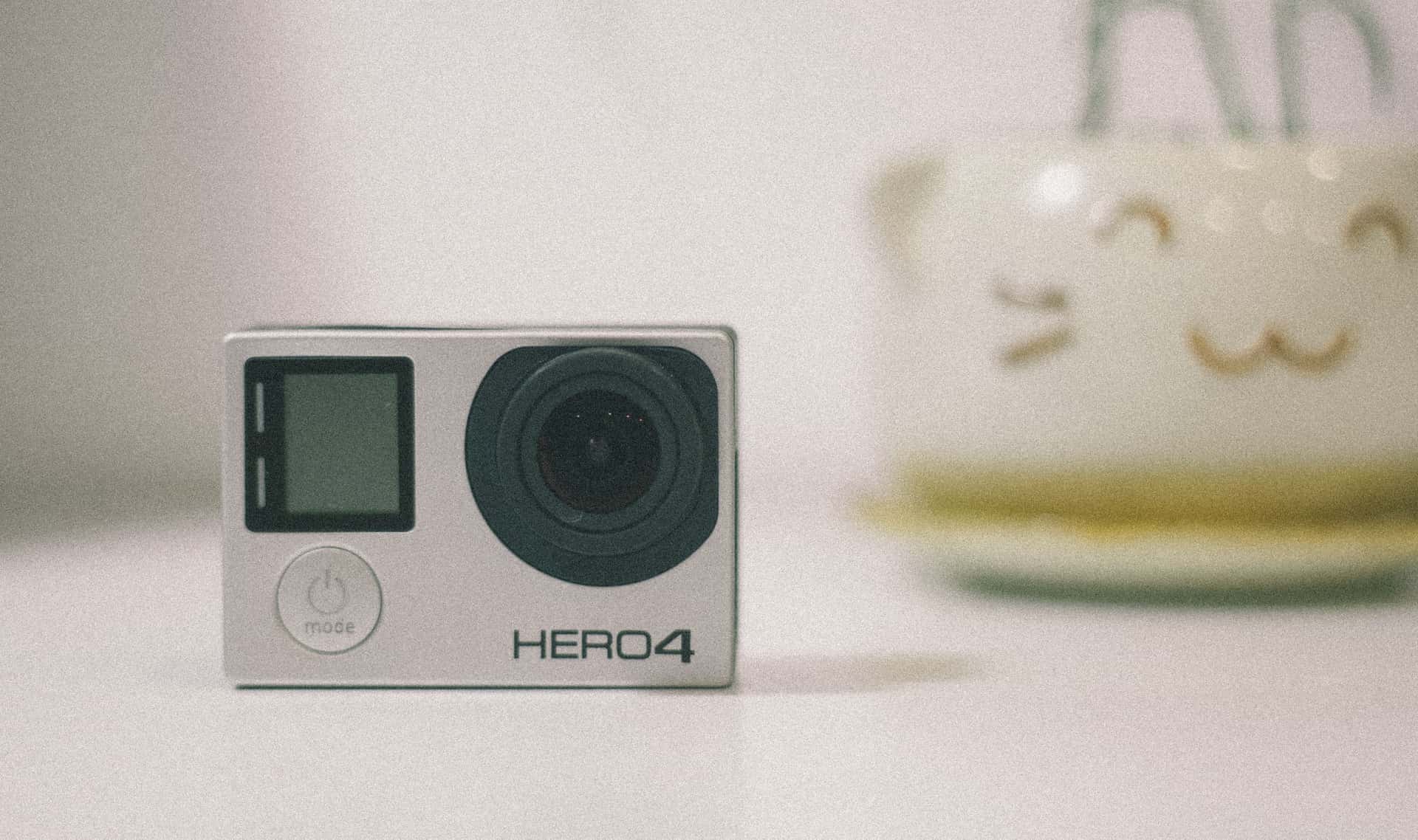
Only if at least one of four things is true: the camera is going in water, it is going onto a mount, it is going somewhere you would not risk a phone, or you need both hands. If none of those apply, your phone shoots better video than an action camera does and you already own it. The “GoPro” part is a separate question — DJI and Insta360 make cameras that beat it at specific things.
The four situations where it genuinely earns its place
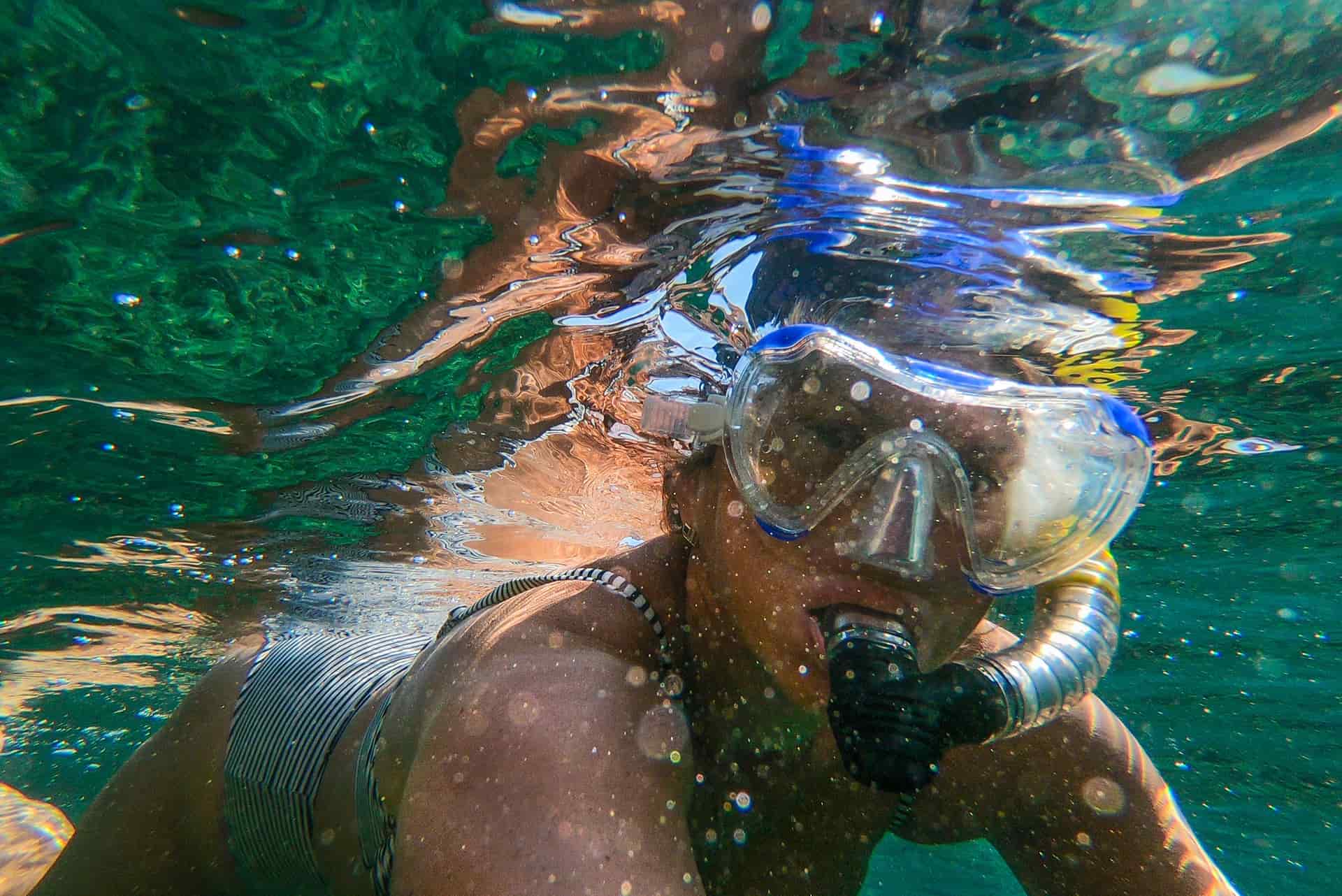
1. It is going in water. This is the clearest case. A phone in a pouch works until it does not, and the failure costs you a phone. An action camera rated to 10m or 20m goes in the lake, survives the capsize, and comes out working — the depth table has every published figure.
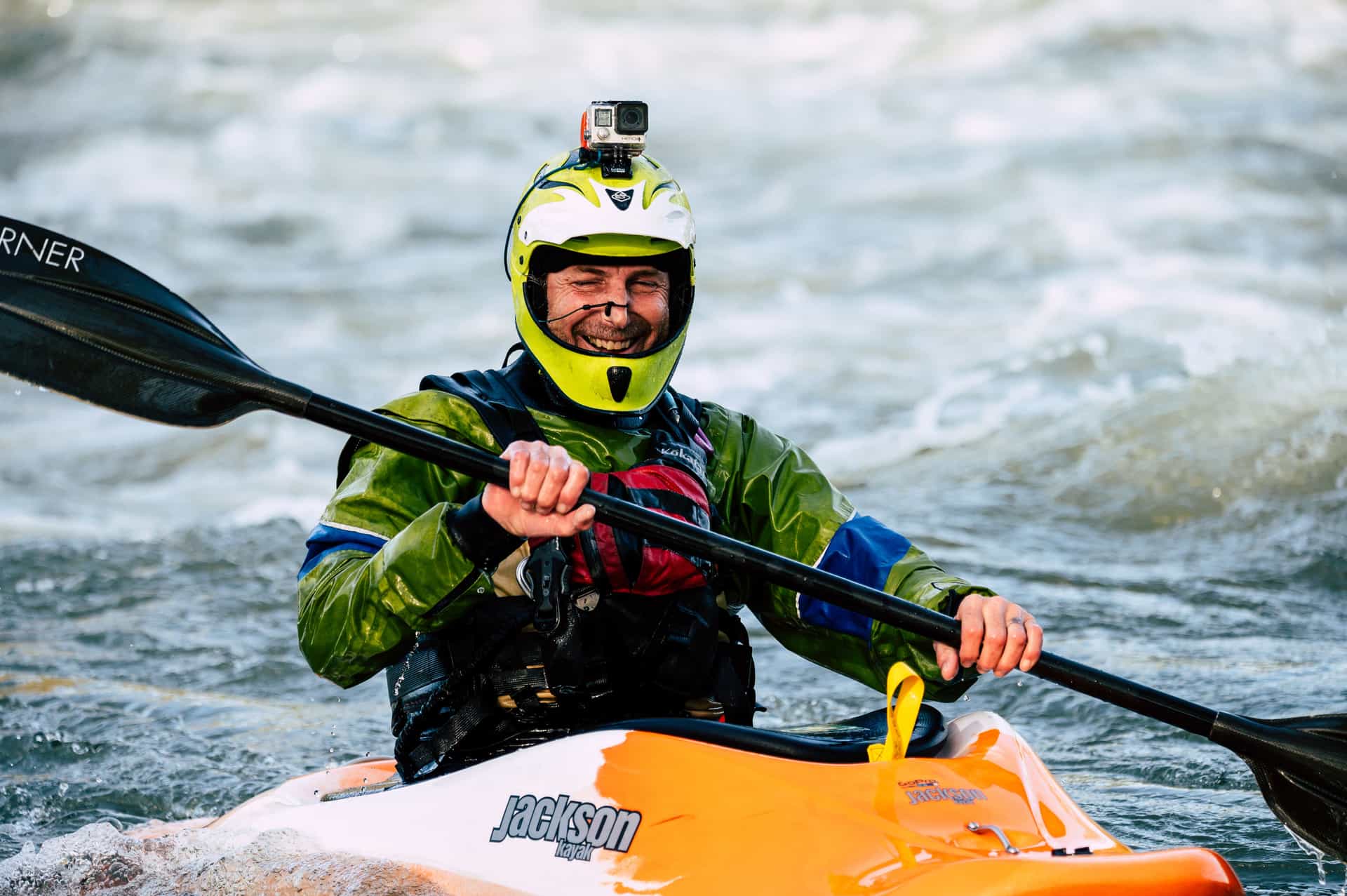
2. It is going onto a mount. Helmets, handlebars, kayak decks, tubes, chest harnesses. The entire physical ecosystem exists for action cameras and essentially none of it exists for phones. A phone bracket on a helmet is a bad idea in a way that needs no elaboration.
3. It is going somewhere you would not risk a phone. Sand, salt, mud, snow, rock, the bottom of a rapid. Action cameras are designed to be treated badly, and treating a phone that way is a expensive decision.
4. You need both hands. Paddling, riding, climbing, fishing. A camera you have to hold is a camera you cannot use.
Three situations where your phone is genuinely fine
We would rather say this than sell you something.
Walking around a place. Hiking a trail, wandering a town, filming the view. A modern phone shoots better-looking video than any action camera, with better audio and far better low light, and it is already in your pocket.
Anything with people talking. Phone microphones are dramatically better than action camera microphones, and nothing about an action camera improves a conversation.
Low light. Larger sensors and computational processing mean a phone handles dusk and indoors in a way action cameras still do not. Action camera versus phone works through the whole comparison.
Does it have to be a GoPro?
No, and this is worth separating from the first question.
GoPro is best at stabilization, mounts and the sheer availability of help — which for a first camera is worth more than it sounds. But DJI publishes 20m bare against GoPro's 10m, a longer runtime and a -20°C operating range. Insta360's Ace Pro 2 has a larger sensor and a flip screen. GoPro alternatives covers what each one beats it at, and what it gives back.
“GoPro” has become the generic term for the category the way “Hoover” did for vacuum cleaners, and that is worth noticing when you are deciding.
Do you need a case?
Usually not, and this catches people out in both directions.
Every current flagship is rated to at least 10m bare — the HERO13 Black to 33ft, the Osmo Action 5 Pro to 20m, the Ace Pro 2 to 12m. That covers swimming, snorkeling, capsizes and rescue practice with margin. A case only becomes necessary if you are going deeper than the camera's own rating, and above that line it costs you audio quality and adds a fogging risk you did not previously have.
The exception is the small GoPro HERO (2024), rated to 16ft (5m). That is a genuinely shallow number and worth knowing before a snorkeling holiday.
Do you need the subscription?
GoPro sells a subscription that bundles cloud storage, camera replacement terms and discounts on accessories. Whether it is worth it is a personal-finance question rather than a gear one, and it depends entirely on how much you buy and how hard you are on equipment. We do not have access to current pricing or terms, so we are not going to characterize the value — read the current terms on GoPro's site before deciding.
What we will say: the camera works entirely without it. Nothing on this site requires a subscription, and footage offloads to a computer exactly as you would expect.
If you do buy one, the honest budget
The camera is roughly two-thirds of the purchase. Budget for a V30 memory card, a spare battery or a power bank, one mount that suits what you actually do, and — if there is any water — a float.
Discovering that list on the second trip is the most common first-purchase regret in this category. The first five accessories keeps it short.
01
If the answer turned out to be yes
Three price points, placed after the advice on purpose — the question on this page is whether to buy at all.
- 16ft (5m)
- 4K30, 2.7K60 slo-mo
- Built in, not user-removable
- 6.0
- 7.5
- 6.0
- 9.0
- 7.0
GoPro HERO (2024)
GoPro
The cheapest real GoPro, and the one whose 16ft rating you have to take seriously before you take it snorkeling.
A first camera, a kid's camera, or a second angle that mounts anywhere
- Genuinely tiny — 46% less mass than HERO13 Black
- Built-in mounting fingers, and GoPro lists it as compatible with 35+ mounts
- HyperSmooth stabilization at the lowest GoPro price
- Simple enough to hand to someone who has never used one
- 16ft (5m) is a snorkel-adjacent rating, not a diving one
- The battery is built in — you cannot carry a spare, you carry a power bank
- 4K30 is the ceiling; no 4K60, no high-frame-rate 4K
Specs from GoPro HERO published specifications.
- 33ft (10m), no housing
- 1900mAh Enduro
- 1.5h at 5.3K30 / 2.5h at 1080p30
- 8.0
- 9.5
- 8.5
- 9.5
- 9.0
GoPro HERO13 Black
GoPro
The safest default for lake and trail: 33ft without a housing, the steadiest footage in the category, and a mount for literally everything.
Anyone who wants one camera to handle the kayak, the bike and the family trip
- HyperSmooth 6.0 with AutoBoost is the steadiest stabilization we can find published figures for
- Built-in mounting fingers plus 1/4-20 threads — it fits the GoPro ecosystem and a normal tripod
- Enduro battery is rated to keep full camera functionality down to 14°F (-10°C)
- Replaceable lens cover, so a scratched lens is a $20 problem and not a $400 one
- 33ft is shallower than the DJI and it is the shallowest of the three flagships
- Anything past 33ft needs the separate Protective Housing
- HB-Series lenses and ND filters are all extra purchases
Specs from GoPro HERO13 Black published specifications.
- 20m bare / 60m with case
- 1950mAh · 240 min at 1080p24
- -20° to 45°C
- 9.5
- 9.0
- 9.5
- 8.0
- 9.0
DJI Osmo Action 5 Pro
DJI
Goes to 20m with no housing at all and publishes a 240-minute runtime — the two numbers that decide a long, wet, cold day.
Long paddles, cold water, and anyone tired of buying a housing to get past 10m
- 20m without the Waterproof Case — double the bare-camera depth of the HERO13 Black
- DJI publishes 240 minutes of recording at 1080p/24 with screens off, the longest figure in this set
- Rated to -20°C, which matters more on an October lake than any resolution number
- 1/1.3-inch sensor holds detail when the light goes flat
- Mount ecosystem is smaller than GoPro's, and magnetic quick-release adapters are their own purchase
- 146g — the heaviest of the flagship three
- Fewer third-party mounts and filters exist for it
Specs from DJI Osmo Action 5 Pro published specifications.
02
How we picked
We do not lab-test, bench-test or dive-test cameras, and we do not own test units. What we do instead is read the manufacturer's published specifications, read the independent reviews that genuinely do test, read owner reports for the failure modes specs never mention — fogging, salt corrosion, cold battery collapse, mount slippage — and then weight all of it for action cameras used on lake and trail. Where a number is not published, the page says “not published” rather than filling the cell.
The full method, including what we refuse to do, is on the editorial policy page.
- 30%Water survival
- Rated depth without a case, door design, and what the manufacturer actually publishes.
- 25%Stabilization in chop
- A kayak deck and a rooty trail shake in ways a handheld walk test never shows.
- 20%Battery in the cold
- Published runtime, spare-battery cost, and whether it charges while recording.
- 15%Mount ecosystem
- Finger mount, threaded, magnetic — and how much of it you have to re-buy.
- 10%Footage you will keep
- Lens replaceability, low-light behavior, and how much cutting the footage needs.
03
Questions people actually ask
01Do I really need a GoPro, or will my phone do?
If the camera is going in water, onto a mount, somewhere you would not risk a phone, or you need both hands — buy the camera. Otherwise your phone shoots better video and you already own it.
02Do I need a case for a GoPro?
Not for ordinary water use. Every current flagship is rated to at least 10m bare. A case only matters below the camera's own rating, and it costs you audio and adds a fogging risk. The small HERO (2024) at 16ft is the exception worth checking.
03Do I need a GoPro subscription?
No — the camera works fully without one, and footage offloads to a computer normally. Whether the bundle is worth it depends on how much you buy and how hard you are on equipment; read the current terms rather than a stale summary.
04Is a GoPro worth it for one holiday?
If it is a water holiday — snorkeling, boating, a pool with kids — genuinely yes, and a cheaper body will do. If it is a walking holiday, your phone is the better tool and the camera will sit in the room.
05Does it have to be a GoPro specifically?
No. GoPro leads on stabilization and mounts; DJI leads on depth, battery and cold; Insta360 leads on sensor size and the 360 format. GoPro alternatives compares them properly.
04
Read this next
Action camera vs phone
The full comparison, including where the phone genuinely wins.
Best action cameras for beginners
If the answer was yes, start here.
GoPro alternatives
Because 'action camera' and 'GoPro' are not the same question.
The first five accessories
The other third of the purchase, kept short.
How deep can an action camera go?
Whether you need a case, answered with published numbers.
05
Sources
- GoPro HERO (2024) published specifications
- DJI Osmo Action 5 Pro specifications
- GoPro HERO13 Black published specifications
Specifications are quoted from the manufacturer pages above as they read on the dates shown. Where a figure is not published, this site says so rather than estimating one. We have not tested these products.