Action camera vs phone
A modern phone is the better camera almost all of the time. This page is about the times it is not.
Part of Cameras.
We earn a commission if you buy through our links, at no extra cost to you. It never changes what we recommend or the order we rank it in — how this works.
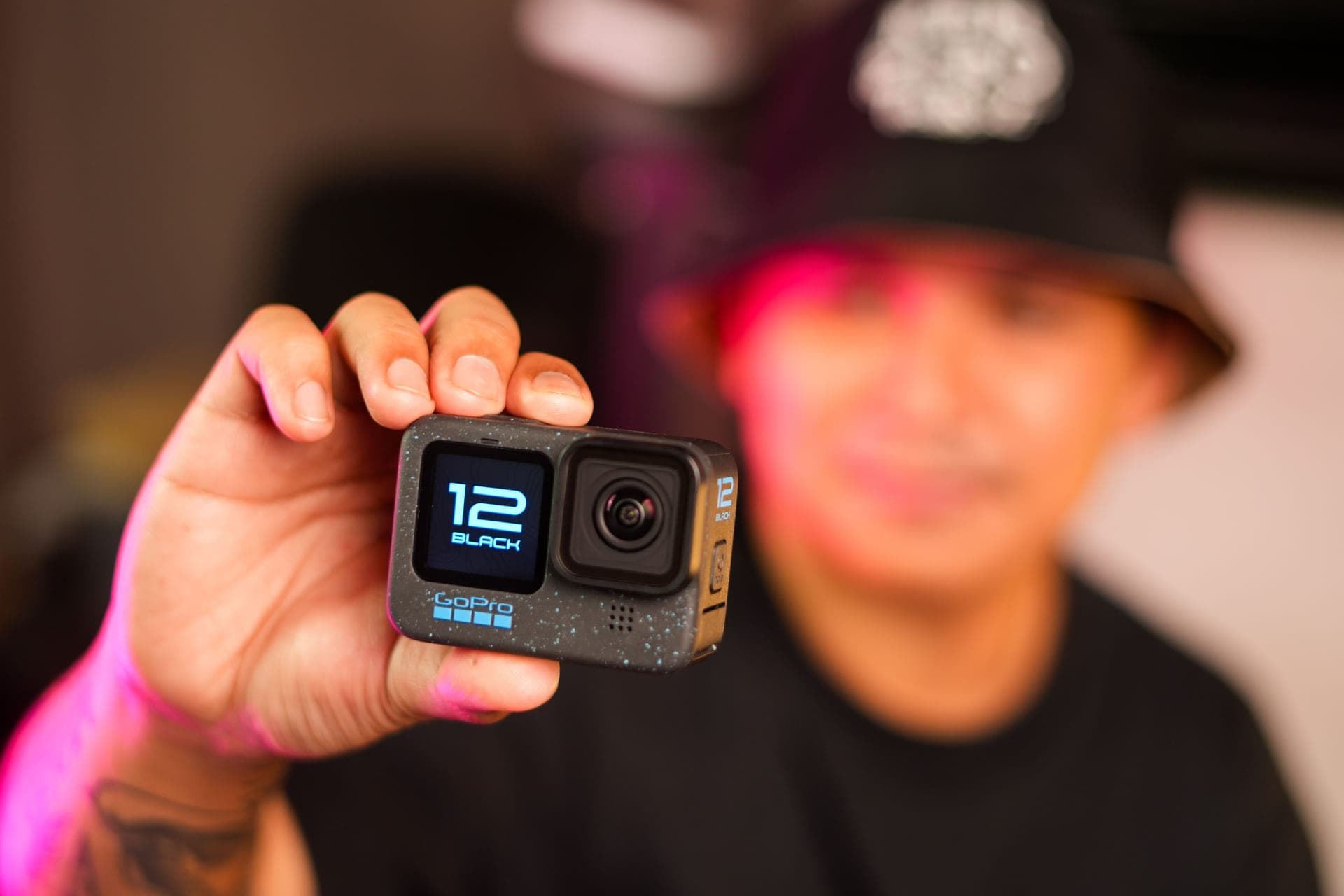
Use your phone unless the camera needs to go in water, onto a mount, somewhere you would not risk a phone, or you need both hands. In good light, on land, held in your hand, a modern phone shoots better-looking video than any action camera — bigger sensor, better processing, far better audio. The action camera wins on durability, mounting, waterproofing and field of view, and those four things cover most of what this site is about.
The comparison, honestly
| Phone | Action camera | |
|---|---|---|
| Image quality in good light | Better | Good |
| Low light | Much better | Weak |
| Audio | Much better | Poor, and worse in wind |
| Field of view | Narrower | Very wide — the action-camera look |
| Waterproofing | Splash resistance, not submersion | Rated to 5-20m bare |
| Mounting | Essentially none that is safe | The entire point |
| Durability | Expensive to break | Designed to be treated badly |
| Stabilization | Very good | Very good, and better in hard impact |
| Cost of a mistake | A phone | A camera |
| Already in your pocket | Yes | No |
The four situations where the camera wins
Water. The clearest case by a distance. Phone water resistance is designed around rain and spilled drinks, not submersion in a lake with pressure and movement, and salt water is specifically hostile to it. An action camera rated to 10m or 20m simply does not care.
Mounting. Kayak decks, handlebars, helmets, chest harnesses, tubes, masts. A whole hardware ecosystem exists for action cameras. Phone mounts exist for bike bars and car dashboards, and putting a phone on a helmet is a genuinely bad idea.
Places you would not risk a phone. Sand, mud, snow, rock, the bottom of a rapid. Not because the phone would definitely break, but because the consequence if it does is out of proportion to the shot.
Both hands busy. Paddling, riding, climbing, fishing. A camera you have to hold is not available when the interesting thing happens.
Three situations where the phone wins, and it is not close
Low light. Dusk, dawn, indoors, under tree cover. Phone sensors are larger and their computational processing is years ahead. An action camera at dusk is noisy and soft.
Anything with people talking. Phone microphones are dramatically better, and an action camera in even light wind records mostly wind. External mics help and do not close the gap.
Moments you have to catch quickly. The phone is in your pocket and unlocks with your face. The camera is in a bag, switched off, possibly on a mount pointing somewhere else.
The field-of-view question
One genuine difference that is not about durability at all: action cameras are much wider than phones, and that width is the “action camera look”.
On a chest mount or a helmet, that wide field is what keeps the subject in frame without aiming — a narrower lens would need constant correction. It also exaggerates speed and distance, which is flattering for riding and paddling footage and unflattering for people's faces.
The reverse is true for a phone: a narrower field looks more natural and more cinematic, and it is the wrong tool the moment the camera is strapped to something moving.
The realistic answer for most people
Both, and knowing which is which. Almost everyone who owns an action camera still shoots most of their video on a phone, and that is correct rather than a failure.
Use the phone for the walk, the meal, the conversation, the view. Use the camera for the water, the mount, the descent, the thing you would not want to hold. The mistake is trying to make one tool do both, which usually means either a phone somewhere it should not be or an action camera being used to film someone talking.
If you are still deciding whether to buy one at all, do you actually need a GoPro runs the same test from the other direction.
01
If the action camera side won
Three price points, placed after the advice because the question here is whether to buy at all.
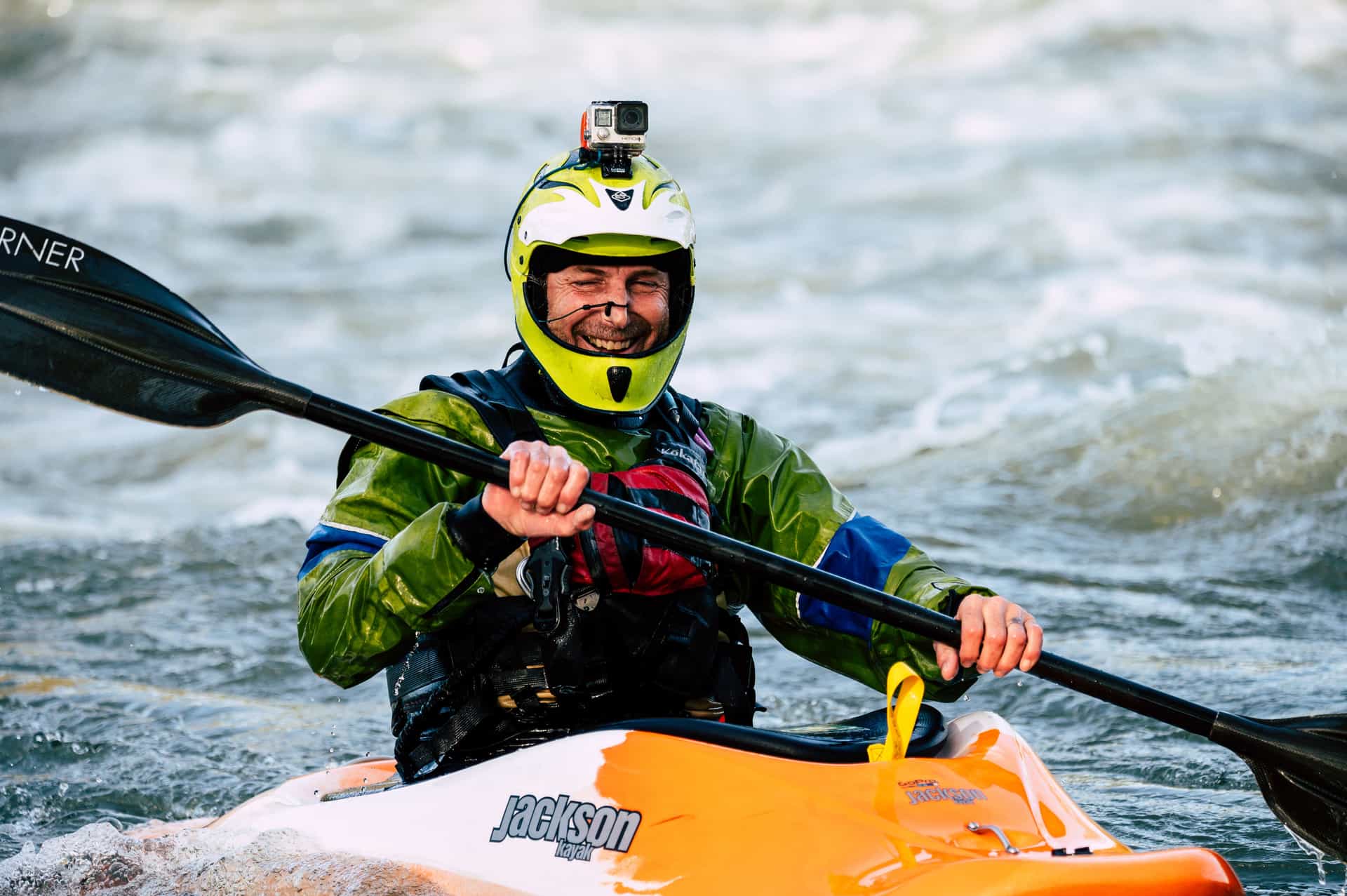
- 33ft (10m), no housing
- 1900mAh Enduro
- 1.5h at 5.3K30 / 2.5h at 1080p30
- 8.0
- 9.5
- 8.5
- 9.5
- 9.0
GoPro HERO13 Black
GoPro
The safest default for lake and trail: 33ft without a housing, the steadiest footage in the category, and a mount for literally everything.
Anyone who wants one camera to handle the kayak, the bike and the family trip
- HyperSmooth 6.0 with AutoBoost is the steadiest stabilization we can find published figures for
- Built-in mounting fingers plus 1/4-20 threads — it fits the GoPro ecosystem and a normal tripod
- Enduro battery is rated to keep full camera functionality down to 14°F (-10°C)
- Replaceable lens cover, so a scratched lens is a $20 problem and not a $400 one
- 33ft is shallower than the DJI and it is the shallowest of the three flagships
- Anything past 33ft needs the separate Protective Housing
- HB-Series lenses and ND filters are all extra purchases
Specs from GoPro HERO13 Black published specifications.
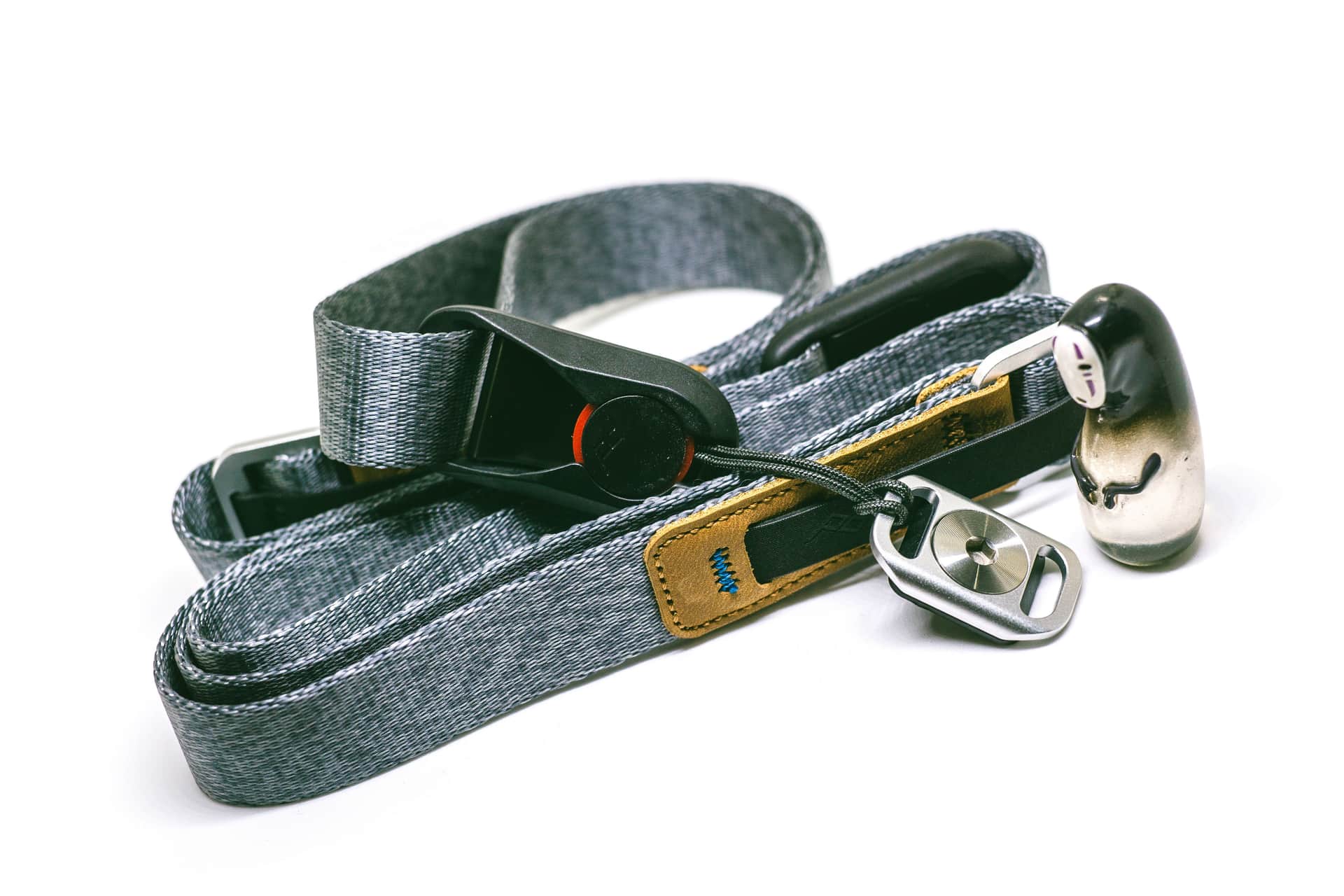
- IPX8 to 33ft (10m), camera only
- 53g
- Up to 170 min with the Action Pod
- 7.0
- 8.0
- 7.5
- 8.0
- 8.0
Insta360 GO Ultra
Insta360
53 grams and IPX8 to 10m on its own — the camera you actually clip on for a paddle instead of leaving in the dry bag.
Hands-free clips where a full-size camera would never leave the bag
- 53g means it goes on a hat brim, a PFD strap or a chest magnet and you forget it is there
- IPX8 to 10m for the camera itself, with a 1/1.28" sensor that is far larger than the size suggests
- Action Pod adds a flip screen and the long runtime when you want it
- Removable microSD, so you are not stuck with fixed onboard storage
- The Action Pod is not rated to the same depth as the camera — read the two ratings separately
- Magnetic mounting is convenient but is not a mechanical lock in real chop
- No interchangeable lens cover, so a scratch is permanent
Specs from Insta360 GO Ultra published specifications.
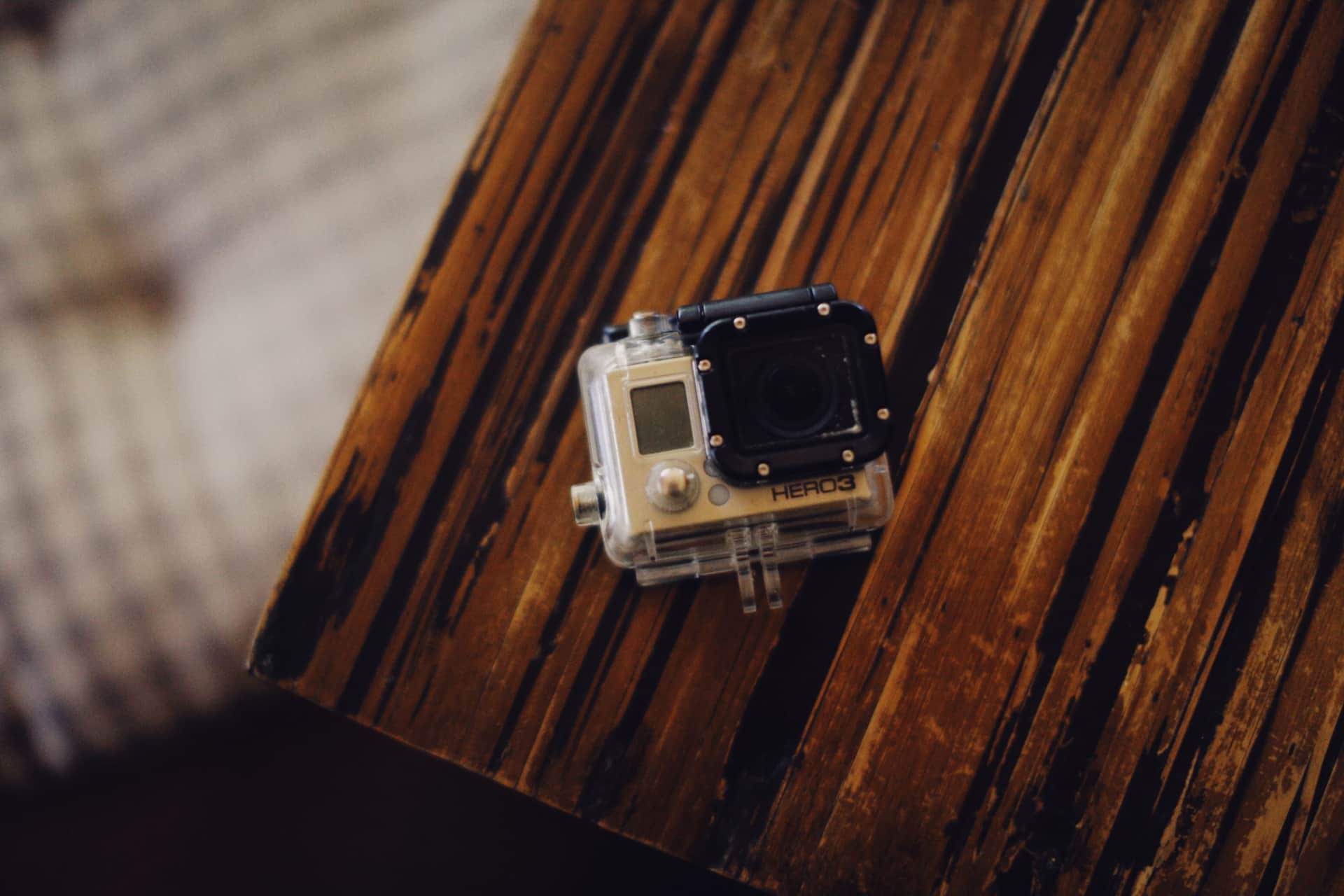
- IPX8 10m / 60m with case
- 2 × 1550mAh included
- 140 min at 4K / 150 min at 1080p
- 7.5
- 6.5
- 8.0
- 8.5
- 6.5
AKASO Brave 8 Lite
AKASO
Two batteries and a bag of mounts in the box at a fraction of flagship money — buy it knowing the stabilization gives up first.
A pool, a calm lake, a first camera you are not precious about
- IPX8 to 10m bare, which matches the HERO13 Black's rating on paper
- Ships with two batteries, a charger and seven mounts — nothing else to buy on day one
- 4K60 and dual screens at a price well under the flagships
- Uses GoPro-standard two-prong mounting, so the whole accessory world fits
- SuperSmooth stabilization is a step behind HyperSmooth and RockSteady in chop
- The 60m rating belongs to the separate housing, not the camera
- Low light is where the price shows most
Specs from AKASO Brave 8 Lite published specifications.
02
How we picked
We do not lab-test, bench-test or dive-test cameras, and we do not own test units. What we do instead is read the manufacturer's published specifications, read the independent reviews that genuinely do test, read owner reports for the failure modes specs never mention — fogging, salt corrosion, cold battery collapse, mount slippage — and then weight all of it for action cameras used on lake and trail. Where a number is not published, the page says “not published” rather than filling the cell.
The full method, including what we refuse to do, is on the editorial policy page.
- 30%Water survival
- Rated depth without a case, door design, and what the manufacturer actually publishes.
- 25%Stabilization in chop
- A kayak deck and a rooty trail shake in ways a handheld walk test never shows.
- 20%Battery in the cold
- Published runtime, spare-battery cost, and whether it charges while recording.
- 15%Mount ecosystem
- Finger mount, threaded, magnetic — and how much of it you have to re-buy.
- 10%Footage you will keep
- Lens replaceability, low-light behavior, and how much cutting the footage needs.
03
Questions people actually ask
01Is a GoPro better than a phone camera?
Not for image quality — a modern phone is better in good light and much better in low light, with far better audio. The action camera wins on waterproofing, mounting, durability and field of view, which is a different set of advantages entirely.
02Can I use my phone in a waterproof case instead?
You can, and we would not. Pouches fail, and the failure costs a phone rather than a camera. Touchscreens work poorly through plastic, optical quality drops, and a pouched phone still cannot mount to anything.
03Do phones shoot better video than action cameras?
In good light, on land, held in your hand — yes, usually. The larger sensor and better processing show clearly. The comparison inverts the moment the camera needs to be wet, mounted or treated badly.
04Is a phone good enough for kayaking footage?
Not really. Water is the one case where the gap is decisive: a phone cannot safely be submerged, cannot be mounted to a deck, and cannot be used while both hands are on a paddle.
05Why does action camera footage look so different?
The field of view. Action cameras are much wider, which keeps subjects in frame without aiming and exaggerates speed and distance. It flatters movement and does not flatter faces.
04
Read this next
Do you actually need a GoPro?
The same test, run from the buying decision instead.
Best action cameras for family travel
Where most people end up using both, and how to split them.
Best action cameras for kayaking
The situation where the phone is clearly the wrong tool.
Microphones for action cameras
The gap that external audio partly closes.
Best budget action cameras
If the answer was 'camera' but not 'expensive camera'.
05
Sources
- GoPro HERO13 Black published specifications
- Insta360 GO Ultra published specifications
- AKASO Brave 8 Lite published specifications
Specifications are quoted from the manufacturer pages above as they read on the dates shown. Where a figure is not published, this site says so rather than estimating one. We have not tested these products.