The best action cameras for snorkeling
Depth is the easy part. Color is the problem nobody warns you about, and it starts shallower than you think.
Part of On the Water.
We earn a commission if you buy through our links, at no extra cost to you. It never changes what we recommend or the order we rank it in — how this works.
01
Quick picks
| # | Product | Best for | Score | Price |
|---|---|---|---|---|
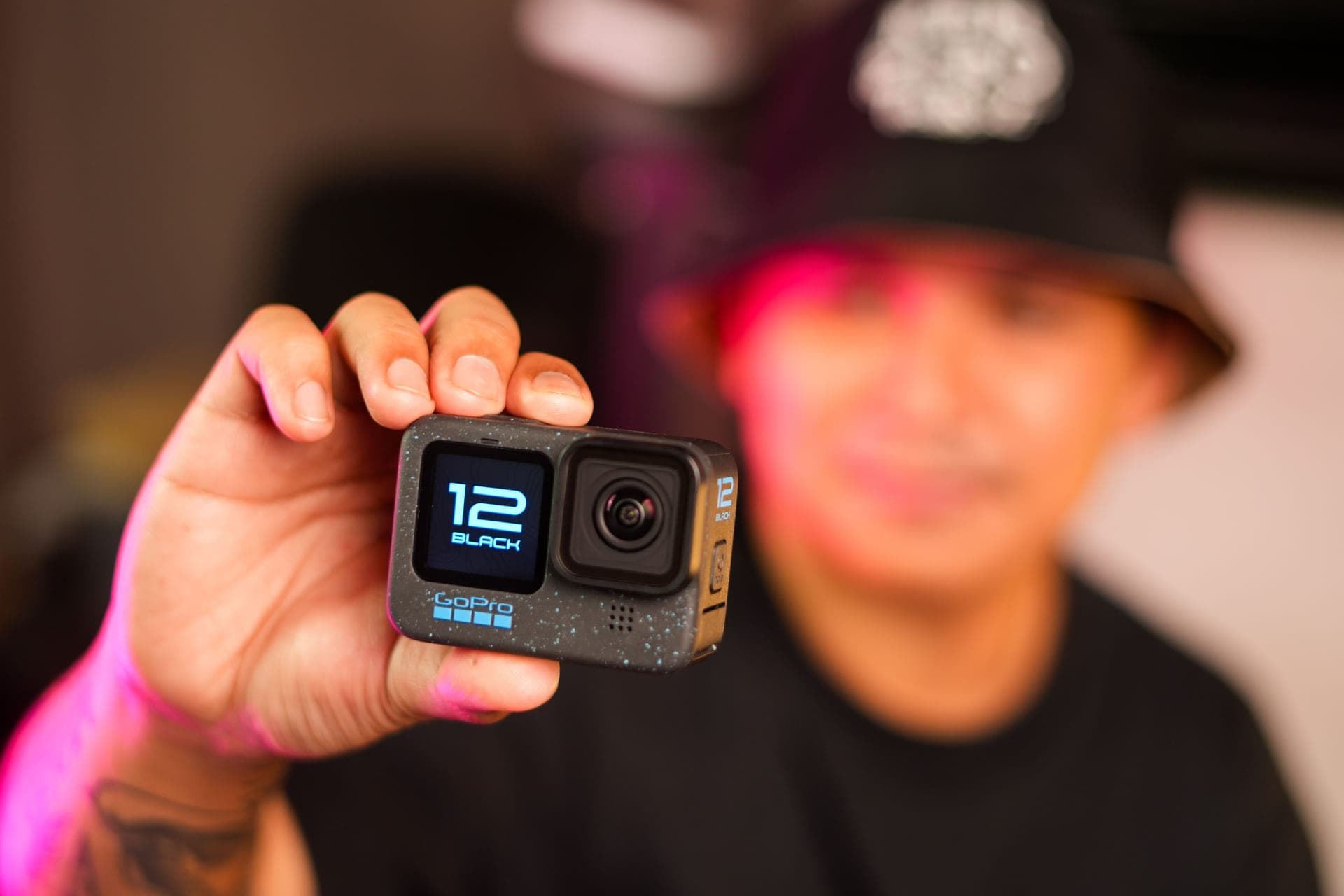
| 01 | Insta360 Ace Pro 2 The best-looking image of the three flagships, with a flip screen that finally makes a chest-mounted shot something you can frame. | Family trips where you want the footage to look like more than dashcam clips | 8.6/ 10 | |
| 02 | 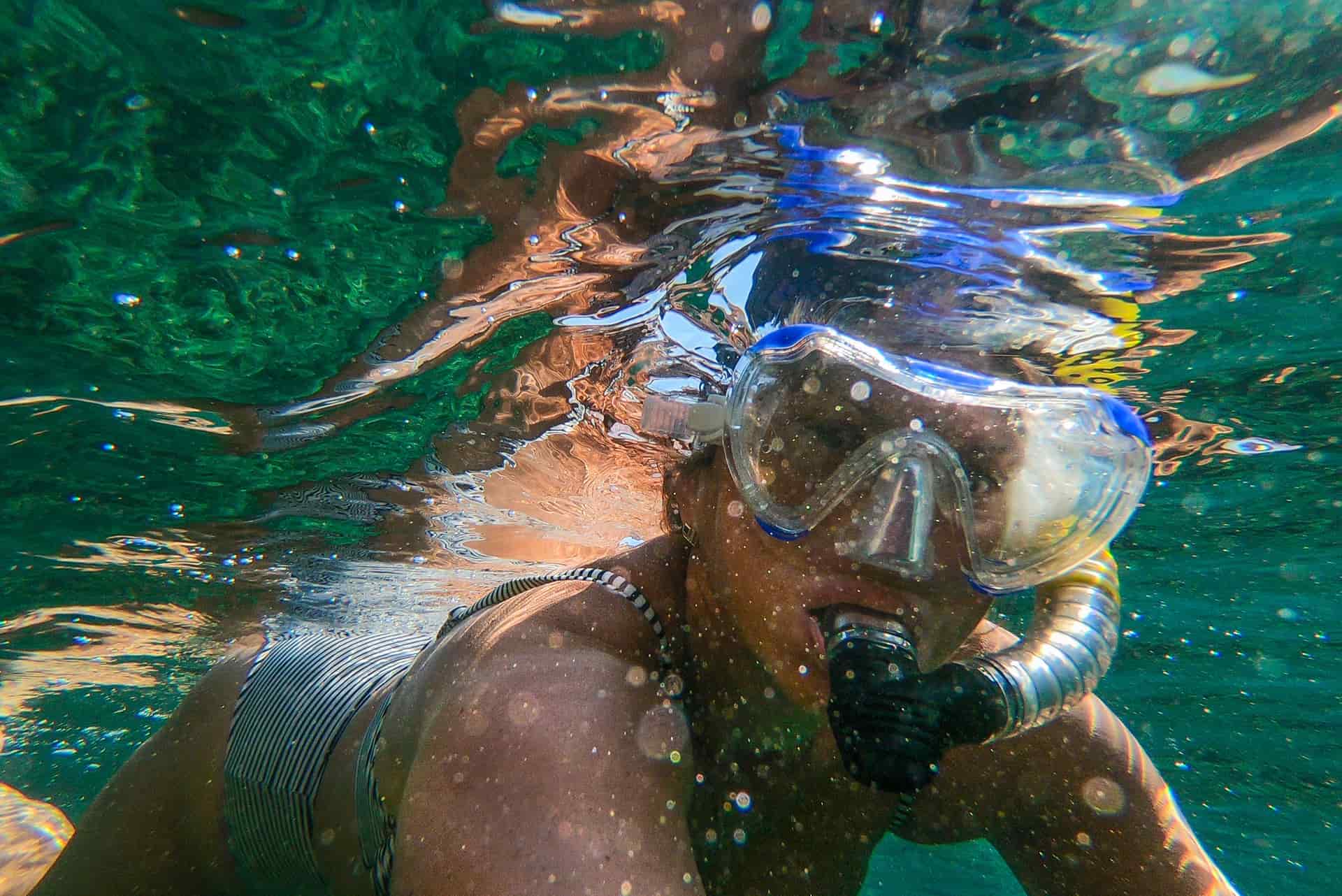 DJI Osmo Action 5 Pro Goes to 20m with no housing at all and publishes a 240-minute runtime — the two numbers that decide a long, wet, cold day. | Long paddles, cold water, and anyone tired of buying a housing to get past 10m | 9.1/ 10 | |
| 03 | 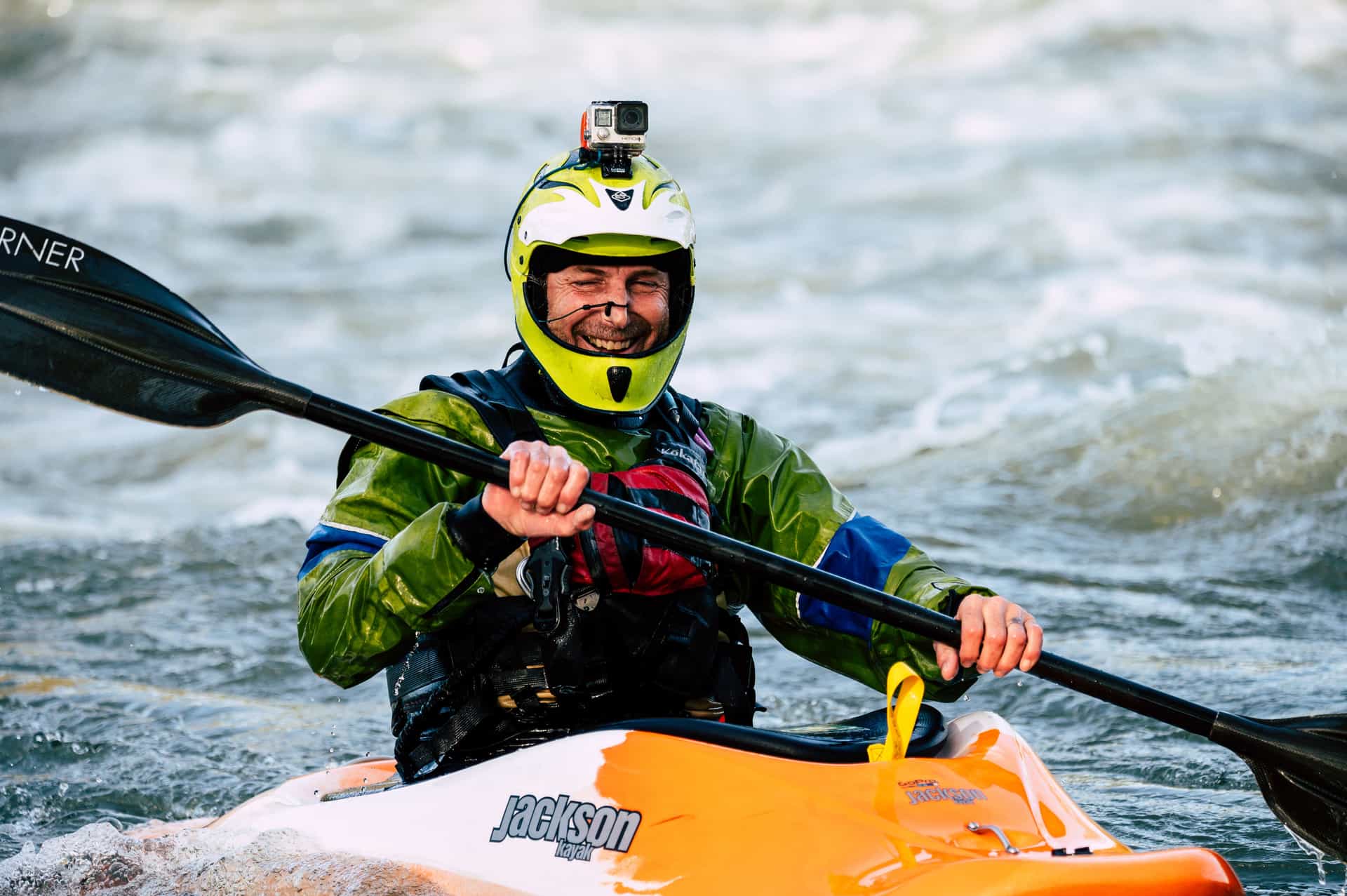 GoPro HERO13 Black The safest default for lake and trail: 33ft without a housing, the steadiest footage in the category, and a mount for literally everything. | Anyone who wants one camera to handle the kayak, the bike and the family trip | 8.8/ 10 | |
| 04 | 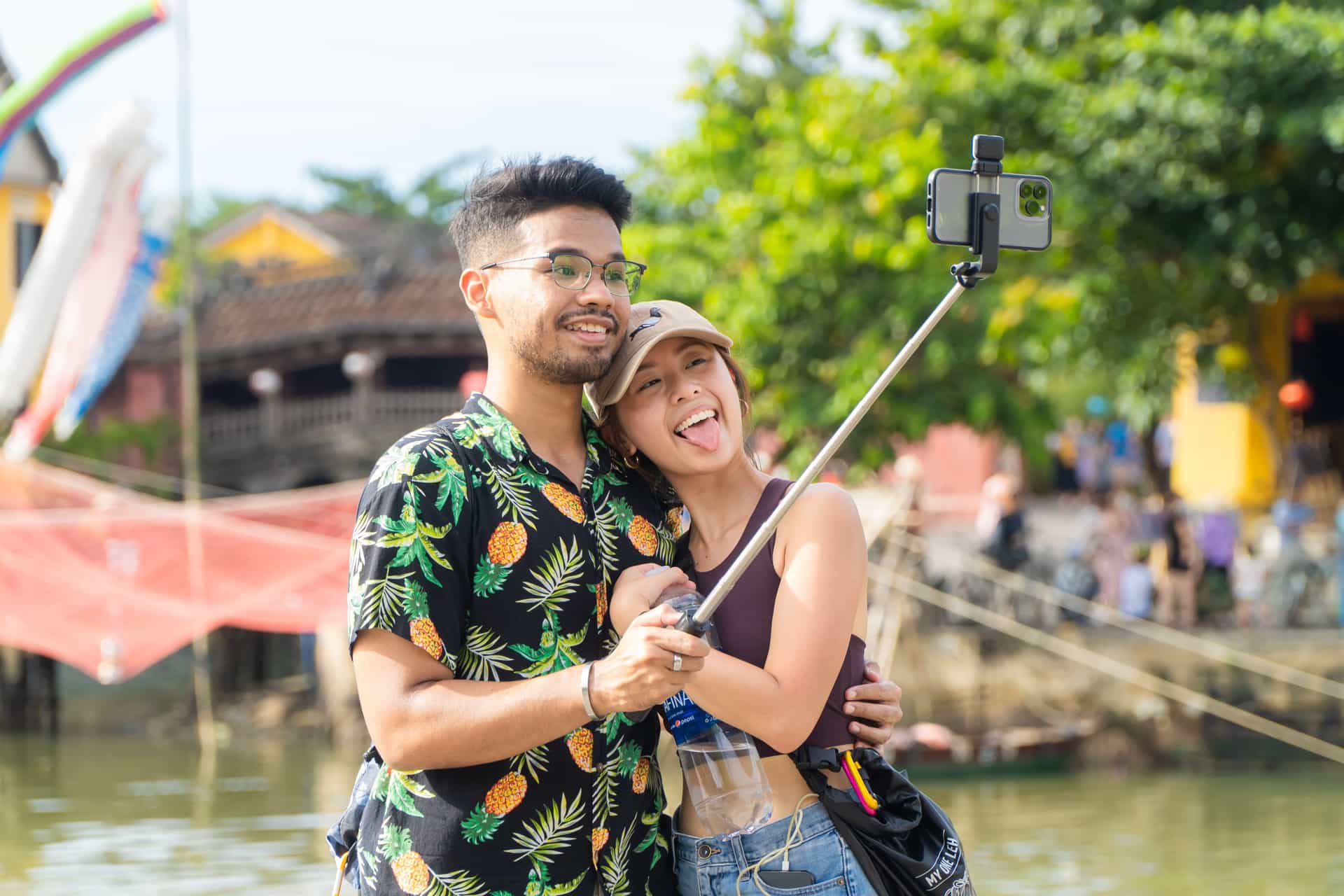 Insta360 X5 15m rated, replaceable lenses, and the one camera that means you never have to aim while you are paddling. | Anyone filming themselves on the water who cannot stop to frame a shot | 9.1/ 10 | |
| 05 |  DJI Osmo Action 4 The previous DJI flagship, still 18m bare and still on shelves — the most water rating per dollar in this list. | Buyers who want deep-water capability without paying flagship money | 8.5/ 10 |
Scores are our editorial judgment from published specs and named independent reviews, weighted for lake and trail use — not measurements. We have not tested these units and do not own them.
02
How we picked
We do not lab-test, bench-test or dive-test cameras, and we do not own test units. What we do instead is read the manufacturer's published specifications, read the independent reviews that genuinely do test, read owner reports for the failure modes specs never mention — fogging, salt corrosion, cold battery collapse, mount slippage — and then weight all of it for action cameras used on lake and trail. Where a number is not published, the page says “not published” rather than filling the cell.
The full method, including what we refuse to do, is on the editorial policy page.
- 30%Water survival
- Rated depth without a case, door design, and what the manufacturer actually publishes.
- 25%Stabilization in chop
- A kayak deck and a rooty trail shake in ways a handheld walk test never shows.
- 20%Battery in the cold
- Published runtime, spare-battery cost, and whether it charges while recording.
- 15%Mount ecosystem
- Finger mount, threaded, magnetic — and how much of it you have to re-buy.
- 10%Footage you will keep
- Lens replaceability, low-light behavior, and how much cutting the footage needs.
Why your snorkeling footage is blue
This is the thing worth understanding before you spend anything, because it is not a camera fault and no camera on this page fixes it on its own.
Water absorbs light unevenly, and it takes the long wavelengths first. Red disappears fastest — most of it is gone within the first few meters — then orange, then yellow. By the time you are at fifteen feet looking down at a reef, the light reaching your sensor has had the warm end stripped out of it, so everything records as blue-green. Your eyes compensate automatically and the camera does not, which is why the footage never looks like the dive did.
There are three fixes, and only one of them really works.
A red filter puts the balance back optically, before the sensor. This is the correct fix and it is inexpensive. It is also depth-specific — a filter cut for 15-75ft used at three feet overcorrects into something magenta and worse than no filter. PolarPro publishes a depth range per filter, which is why it leads the filter guide.
An underwater white balance mode helps a little and costs nothing. Use it, but do not expect it to recover color the water never delivered.
Color grading afterwards is the fix people reach for and the one that works least well. You cannot recover detail in a channel that received almost no light; pushing red in an editor amplifies noise rather than revealing anything.
| Depth | What is missing | What to use |
|---|---|---|
| 0-5ft | Very little | No filter. A filter this shallow overcorrects. |
| 5-15ft | Most red | A snorkel-range filter, if you have one |
| 15-40ft | Red and most orange | A red filter cut for this range |
| Green water, any depth | Red, plus a strong green cast | A magenta filter rather than a red one |
Depth: you need less than you think
Snorkeling happens in the top five meters almost all of the time. Free-diving below ten is a deliberate act you would know you were doing. Every camera on this page clears that comfortably without a housing.
Which means depth rating should not be the thing you shop on here. Sensor size, color handling and whether a good filter set exists for the camera all matter more — and all three point at the ranking above rather than at the deepest-rated body.
Two small things that improve snorkeling footage more than a camera upgrade
Get closer. Every meter of water between the lens and the subject removes contrast and color. A fish at two meters records almost as badly as a fish at ten, and the fix is not a longer lens — action cameras are all wide — it is swimming closer.
Shoot with the sun behind you. Pointing the camera up into a bright surface gives you a silhouette and a blown-out background. Turning ninety degrees so the light comes over your shoulder is free and changes the shot completely.
03
Every pick, in detail
- 39ft (12m) / 60m with dive case
- 1800mAh · 180 min published
- 1/1.3" with Leica lens
- 8.5
- 8.5
- 9.0
- 7.5
- 9.5
Insta360 Ace Pro 2
Insta360
The best-looking image of the three flagships, with a flip screen that finally makes a chest-mounted shot something you can frame.
Family trips where you want the footage to look like more than dashcam clips
Snorkeling is a light problem before it is anything else — you are shooting downward into water that is eating your exposure and your color at the same time. The 1/1.3-inch sensor is the largest here, 12m clears any snorkel depth without a housing, and the flip screen means you can frame a shot of the person you are with rather than guessing.
- 8K30 with a 1/1.3-inch sensor — the most detail in the group
- 12m bare, which clears every snorkel depth without a housing
- 180-minute published battery life and 80% charge in 18 minutes
- Flip screen means you can frame a shot you are standing in front of
- 12m is still short of the DJI's 20m
- The dive case is a separate purchase for anything past 12m
- Fewer mount options than GoPro, and an adapter tax if you switch
Specs from Insta360 Ace Pro 2 published specifications.
- 20m bare / 60m with case
- 1950mAh · 240 min at 1080p24
- -20° to 45°C
- 9.5
- 9.0
- 9.5
- 8.0
- 9.0
DJI Osmo Action 5 Pro
DJI
Goes to 20m with no housing at all and publishes a 240-minute runtime — the two numbers that decide a long, wet, cold day.
Long paddles, cold water, and anyone tired of buying a housing to get past 10m
20m bare means you can free-dive down to look at something without a thought, which is the practical difference between this and the GoPro on a snorkeling trip. Same sensor size as the Insta360, slightly behind it on final image.
- 20m without the Waterproof Case — double the bare-camera depth of the HERO13 Black
- DJI publishes 240 minutes of recording at 1080p/24 with screens off, the longest figure in this set
- Rated to -20°C, which matters more on an October lake than any resolution number
- 1/1.3-inch sensor holds detail when the light goes flat
- Mount ecosystem is smaller than GoPro's, and magnetic quick-release adapters are their own purchase
- 146g — the heaviest of the flagship three
- Fewer third-party mounts and filters exist for it
Specs from DJI Osmo Action 5 Pro published specifications.
- 33ft (10m), no housing
- 1900mAh Enduro
- 1.5h at 5.3K30 / 2.5h at 1080p30
- 8.0
- 9.5
- 8.5
- 9.5
- 9.0
GoPro HERO13 Black
GoPro
The safest default for lake and trail: 33ft without a housing, the steadiest footage in the category, and a mount for literally everything.
Anyone who wants one camera to handle the kayak, the bike and the family trip
33ft covers snorkeling comfortably, and the accessory ecosystem is the reason this sits high: the filter sets with published depth ranges are built for GoPro housings first and everything else second. If you want the color problem properly solved, the options are widest here.
- HyperSmooth 6.0 with AutoBoost is the steadiest stabilization we can find published figures for
- Built-in mounting fingers plus 1/4-20 threads — it fits the GoPro ecosystem and a normal tripod
- Enduro battery is rated to keep full camera functionality down to 14°F (-10°C)
- Replaceable lens cover, so a scratched lens is a $20 problem and not a $400 one
- 33ft is shallower than the DJI and it is the shallowest of the three flagships
- Anything past 33ft needs the separate Protective Housing
- HB-Series lenses and ND filters are all extra purchases
Specs from GoPro HERO13 Black published specifications.
- IP68 to 49ft (15m)
- 2400mAh · ~88 min at 8K30
- User-replaceable
- 9.5
- 9.5
- 9.0
- 8.5
- 7.5
Insta360 X5
Insta360
15m rated, replaceable lenses, and the one camera that means you never have to aim while you are paddling.
Anyone filming themselves on the water who cannot stop to frame a shot
A 360 camera underwater is genuinely fun — you swim, it records the whole reef, and you choose what to look at afterwards. 15m IP68 is deeper than every flat camera except the DJIs. The exposed lenses are the catch: reef, rock and sand are all abrasive, and lens guards stop being optional.
- 15m IP68 is the deepest bare rating of any camera on this site
- User-replaceable lenses — the single biggest fix for the 360 format's worst failure mode
- 185 minutes in Endurance mode at 5.7K24, which is a whole day of clips
- Invisible-selfie-stick reframing means you point the camera at nothing and pick the angle later
- Exposed lenses still scratch; lens guards are a purchase, not an option
- Every clip needs a reframing pass before anyone else can watch it
- 8K30 files are large and the edit is slower than flat footage
Specs from CineD, Insta360 X5 announcement with published specifications.
- 18m bare / 60m with case
- 1770mAh · 160 min at 1080p24
- -20° to 45°C
- 9.0
- 8.5
- 8.5
- 8.0
- 8.0
DJI Osmo Action 4
DJI
The previous DJI flagship, still 18m bare and still on shelves — the most water rating per dollar in this list.
Buyers who want deep-water capability without paying flagship money
18m bare at a lower price than anything above it. Same 1/1.3-inch sensor as the Action 5 Pro, shorter battery, dimmer front screen. For a week's snorkeling holiday it is hard to argue with.
- 18m without a case still beats every current GoPro by a wide margin
- Same 1/1.3-inch sensor size as the Action 5 Pro
- Rated to -20°C like its replacement
- Usually the cheapest way into serious bare-camera depth
- 160 minutes published against the Action 5 Pro's 240
- Superseded, so accessories and support will taper off first
- No front OLED — the Action 5 Pro's front screen is genuinely more useful for framing
Specs from DJI Osmo Action 4 published specifications.
04
What decides this category
Sensor size, because light is short down there
The larger 1/1.3-inch sensors in the Insta360 Ace Pro 2 and both DJI bodies genuinely help underwater, where the available light is both dimmer and missing a chunk of its spectrum. This is one of the few situations where the sensor spec on the box translates directly into a visible difference.
Whether a filter set exists for it
Check before you buy. Filter availability tracks market share, so GoPro is best served, Insta360 and DJI are well served, and budget bodies often have no depth-rated option at all. A camera you cannot filter is a camera whose underwater footage you cannot fix.
Bare rating over housed rating
For snorkeling, a camera you can take straight in is better than a camera plus a housing. No fog risk, no O-ring to check, better audio, fewer things to lose on a boat.
What we would skip
A dome port. They are excellent for over-under split shots and they are large, fragile and a nuisance to swim with. If split shots are the reason you are buying, get one; if you saw one in a video and thought it looked good, spend the money on a filter set instead.
05
Questions people actually ask
01Do I need a red filter for snorkeling?
Below about five feet, yes — it is the single biggest improvement you can make to underwater footage. Above five feet, no: a filter that shallow overcorrects and makes everything magenta. Pick one cut for the depth you actually swim at.
02How deep do I need my camera to be rated for snorkeling?
10m is plenty. Snorkeling happens in the top five meters almost all the time, and every current flagship clears that bare. Spend the difference on a filter rather than on depth you will not use.
03Should I use a housing for snorkeling?
Generally no. On the surface a housing muffles audio, adds a fogging risk and gives you an O-ring to worry about, in exchange for depth you are not going to use. It makes sense if you also dive.
04Why does my footage look sharp but lifeless underwater?
Almost always distance. Water between the lens and the subject removes contrast and color fast, and no setting recovers it. Get closer — half the distance is a bigger improvement than any camera upgrade.
05Is a 360 camera good for snorkeling?
Very — you swim and reframe afterwards, which suits an environment where the interesting thing is often behind you. The catch is exposed lenses around reef and rock, so lens guards are essential.
06
Read this next
Filters and dome ports for water
Which filter at which depth, with the published ranges.
How deep can an action camera go?
The depth table, if you are thinking about going further down.
Salt water care and rinsing
Snorkeling is usually salt. This is the five minutes afterwards that matters.
Cases and dive housings
If you also dive, this is where the 60m ratings live.
Best settings for water
Frame rate, white balance and the shutter question, for wet conditions.
07
Sources
- PolarPro Dive Filters with published depth ranges
- DJI Osmo Action 5 Pro specifications
- Insta360 Ace Pro 2 published specifications
- GoPro HERO13 Black published specifications
- CineD, Insta360 X5 announcement with published specifications
- DJI Osmo Action 4 published specifications
Specifications are quoted from the manufacturer pages above as they read on the dates shown. Where a figure is not published, this site says so rather than estimating one. We have not tested these products.