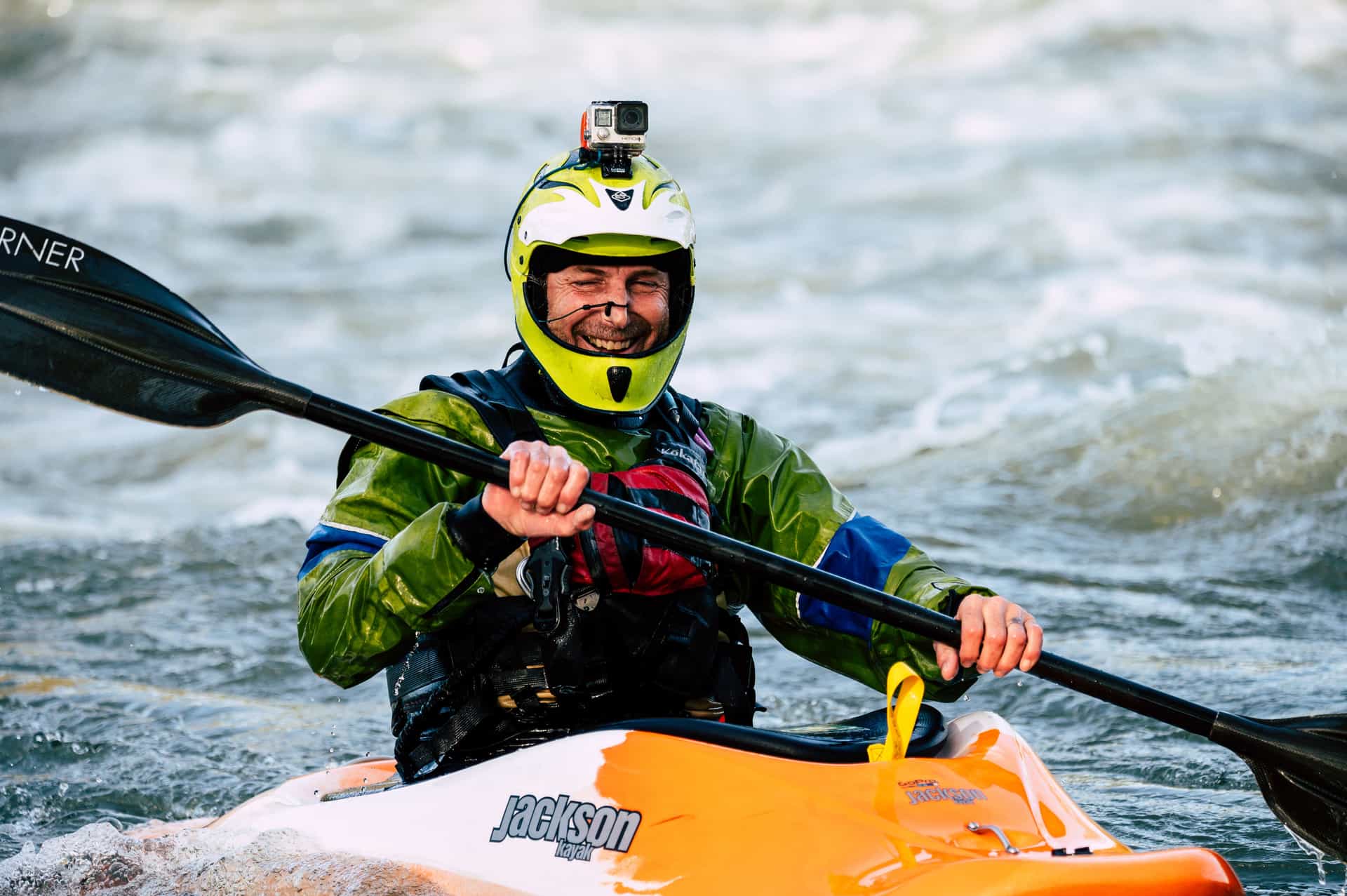
The best action cameras for mountain biking
Five cameras ranked on stabilization under impact — plus where to mount them and why it matters more.
Stabilization that survives roots, batteries that survive cold, and the mount position that decides whether anyone watches the footage.
We earn a commission if you buy through our links, at no extra cost to you. It never changes what we recommend or the order we rank it in — how this works.
01
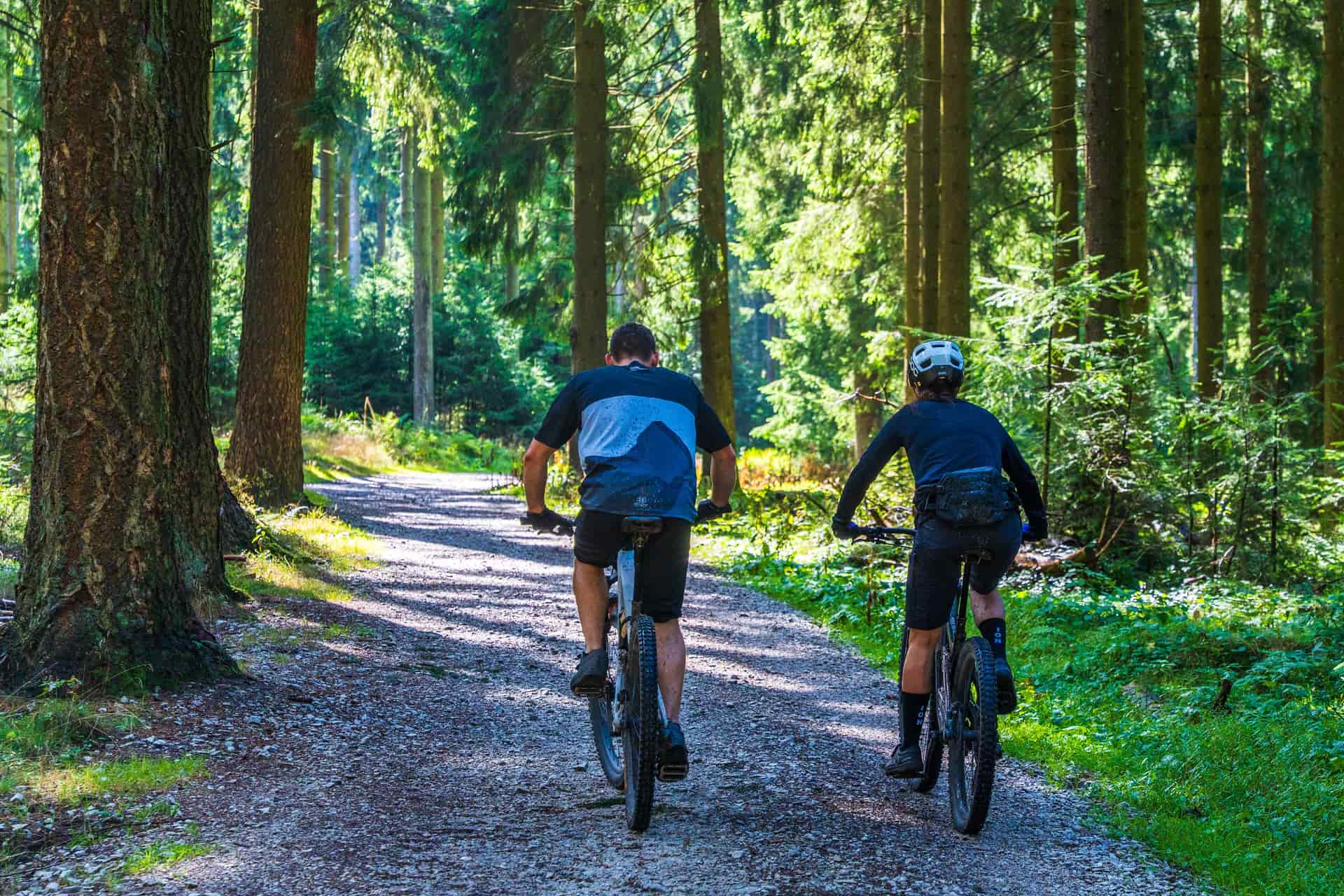
Trail footage fails in a different way from water footage. Nothing floods. Instead, the clips come home shaky, badly framed, or thirty-eight minutes long with four good seconds in them. The camera choice matters here, but less than two other decisions: where you mount it, and how cold it gets.
A camera with genuinely good stabilization, and then the right mount for the position you have actually chosen. In that order, because stabilization is the one thing you cannot add later. HyperSmooth 6.0, RockSteady 3.0 and FlowState all do a remarkable job of turning a rooty descent into something watchable — the stabilization comparison is where the differences between them actually land.
If you ride, start at the mountain biking roundup. If you walk, the hiking picks weight weight and battery far higher, because a hiking camera spends its life switched off in a pocket and needs to still have charge at the summit. If you ski or board, the snow picks put cold-weather battery behavior first, which is the correct priority and almost never how these cameras get reviewed.
There are three trail positions, and each produces a fundamentally different film.
Bar mount. Shows the trail arriving. It is the most dramatic angle and the shakiest, because the bars take every impact the front wheel does. Works best on flowing trail, worst on chunk. See bar and handlebar mounts.
Helmet mount. Shows where you are looking, which is usually where the interesting thing is. Smoother than the bars because your neck is a suspension system. The cost is height and wind noise, and a slightly comic profile — helmet mounts covers front versus side and which adhesive to use.
Chest mount. Shows your hands and the bike, and is by far the most stable of the three because your torso barely moves relative to the ground. It also looks lower and faster than it really was. Chest versus helmet is the comparison most people want before they buy either.
On trail, price buys stabilization and low-light performance — a winter ride at four in the afternoon is a genuinely hard exposure problem, and larger sensors handle it visibly better. Price does not buy you cold tolerance, which is a battery question and is solved for far less money by carrying a spare in an inside pocket.
Cold is worth taking seriously. DJI publishes an operating range down to -20°C on the Osmo Action 5 Pro and Action 4. GoPro publishes full functionality down to 14°F (-10°C) with the Enduro battery. Those figures describe the camera continuing to work — they do not promise full capacity, and in practice a cold battery runs down faster than a warm one. The battery and power guide covers what to carry and where to carry it.
Mounting it and then riding for an hour. Long clips are the single biggest reason trail footage goes unwatched, including by the person who shot it. The fix costs nothing: film in short deliberate bursts of thirty to ninety seconds at the parts of the trail you would describe to a friend. You will come home with less footage and more of it usable, and the edit stops being a chore — the editing guide goes further into why.
The second mistake is forgetting that a helmet mount on a certified helmet is a decision with safety implications. Some manufacturers advise against drilling or adhering to the shell. Check what yours says before the adhesive goes on, because adhesive is a one-shot decision.
02
Five cameras ranked on stabilization under impact — plus where to mount them and why it matters more.
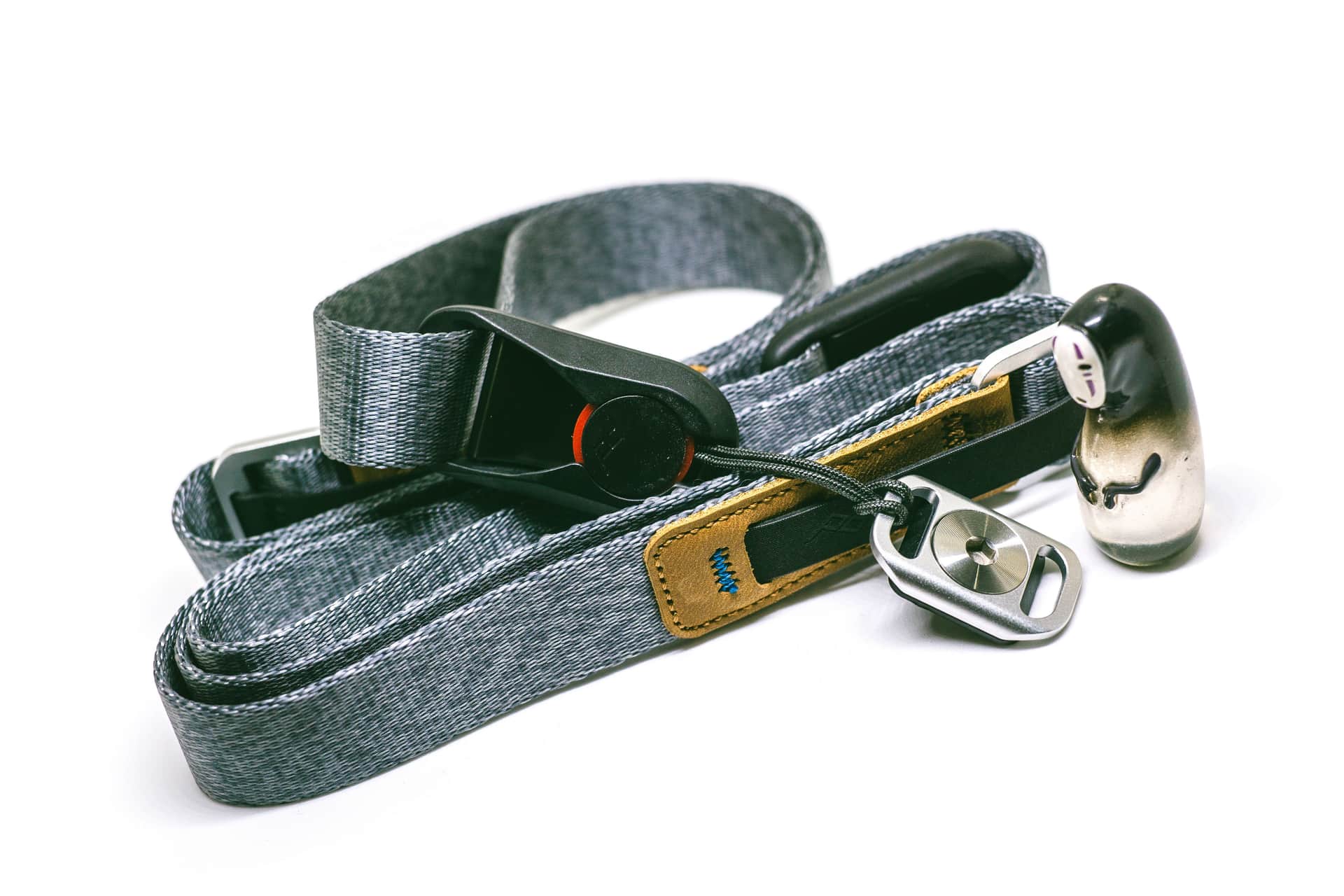
Five cameras ranked for weight and battery — the two things that decide whether it comes with you.
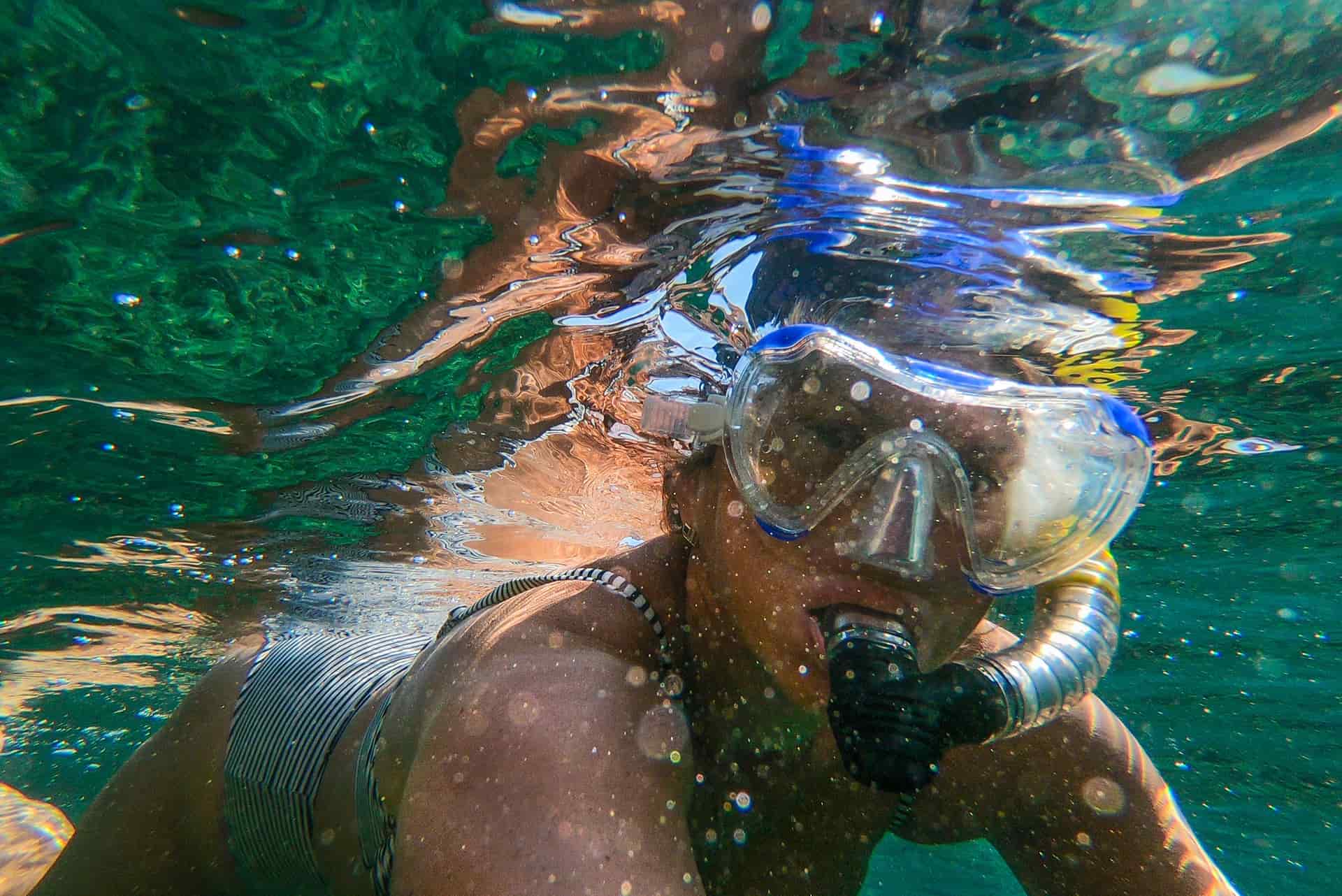
Five cameras ranked on published cold-weather figures, plus the fogging fix nobody packs.
Five cameras for helmet mounting, ranked on weight and profile — and the safety question first.
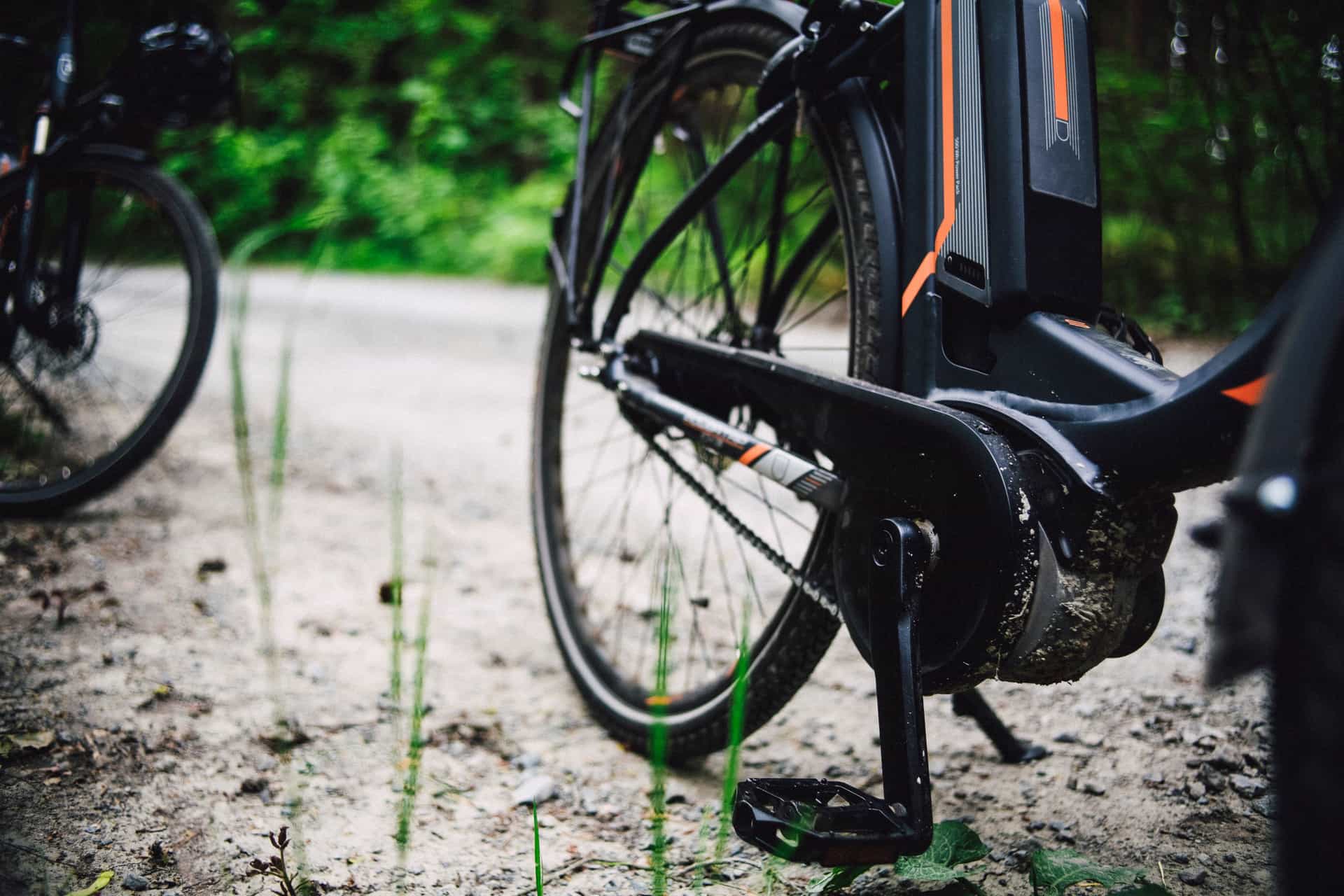
Four cheaper cameras for trail, ranked by how well their stabilization survives roots.
Four picks for multi-day riding, ranked on power, weight and weather rather than on stabilization.
03
04
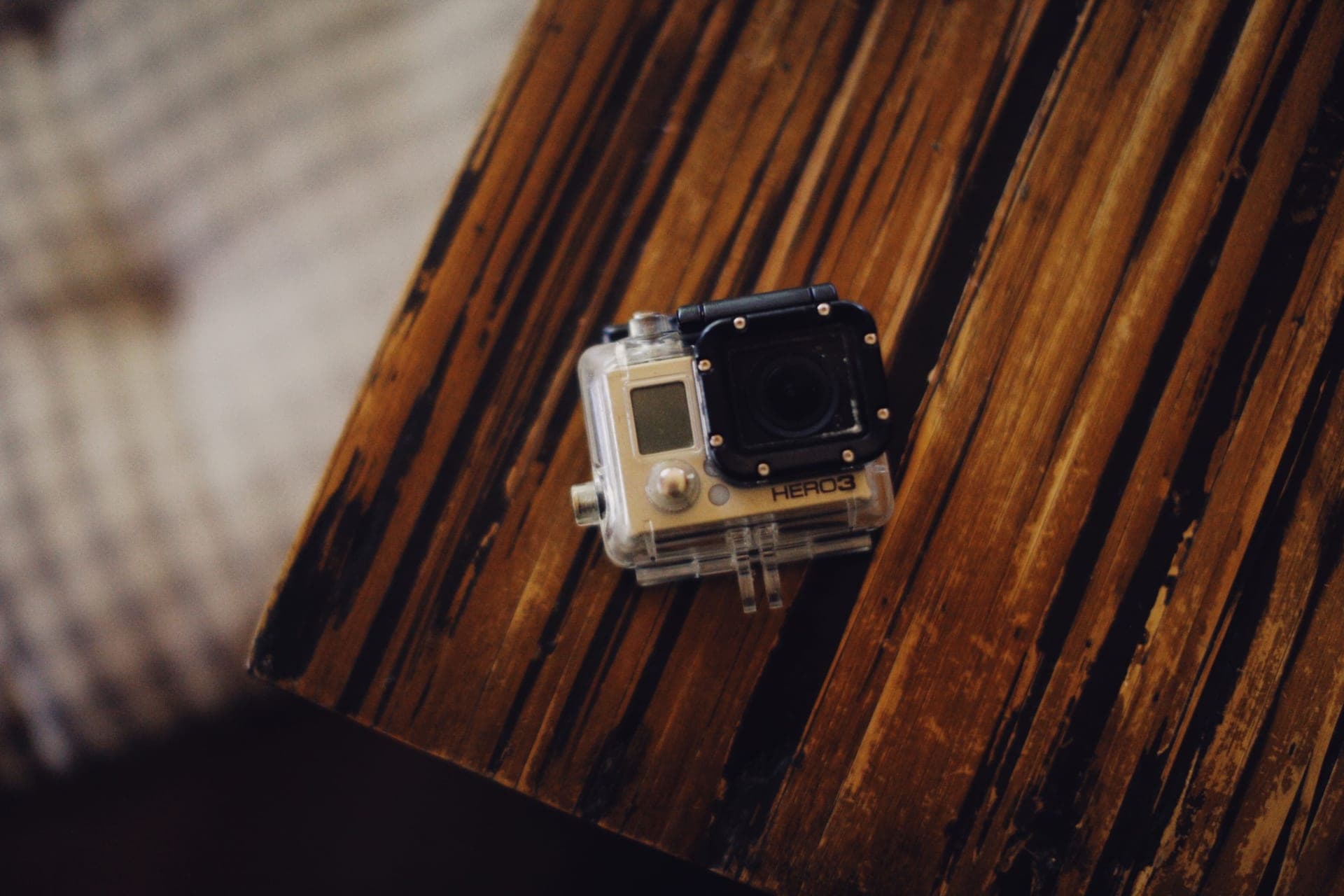
The part that decides whether the footage is watchable, and the part nobody researches until after the camera arrives.
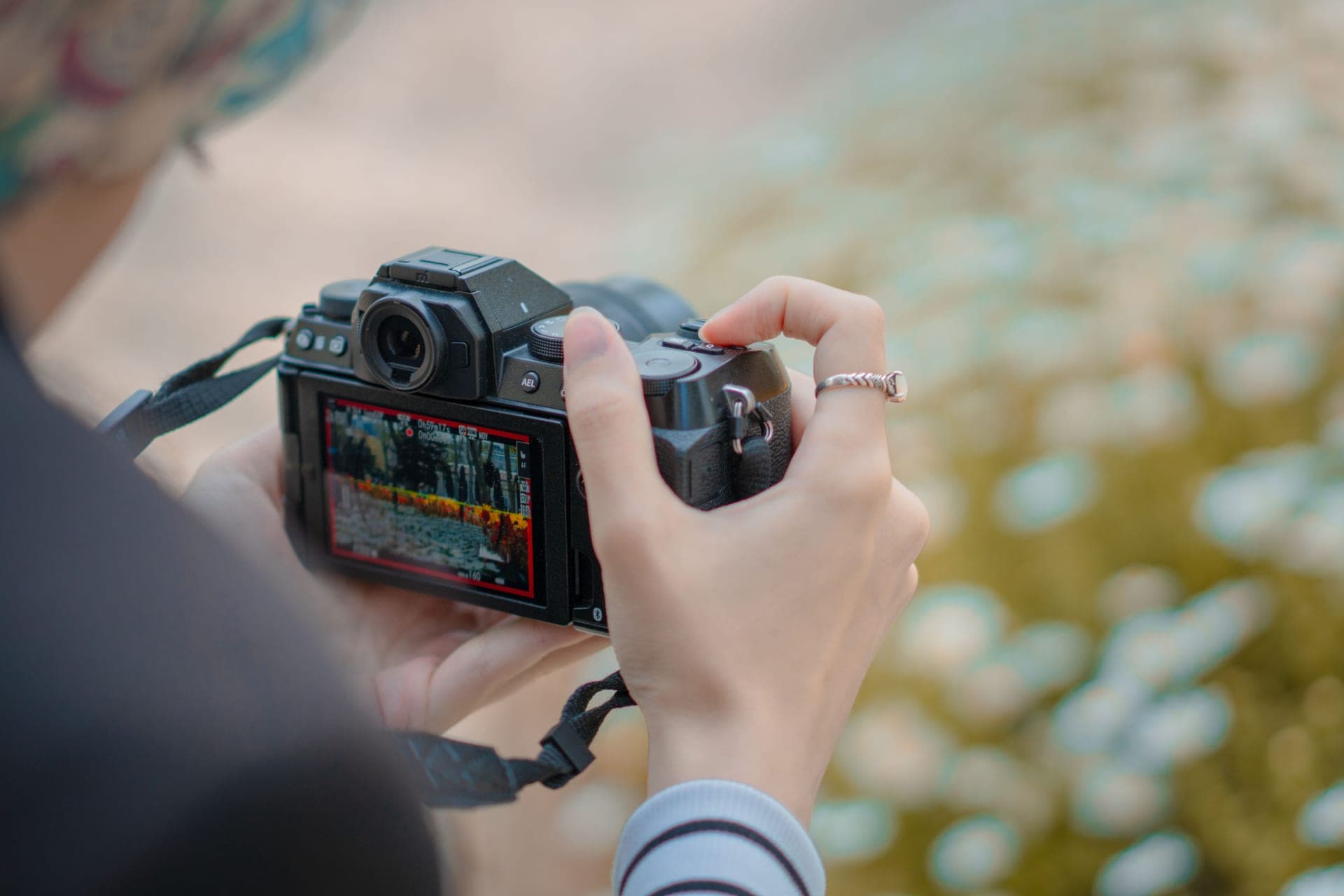
The settings that matter on water, the shots that work when you cannot stop, and the editing habit that fixes most trip videos.
We do not lab-test cameras and we own no test units. Here is exactly what we do instead, and what we refuse to do.