The best action cameras
Ranked on the four things that decide a day on the water or the trail — none of which is resolution.
Part of Cameras.
We earn a commission if you buy through our links, at no extra cost to you. It never changes what we recommend or the order we rank it in — how this works.
01
Quick picks
| # | Product | Best for | Score | Price |
|---|---|---|---|---|
| 01 | DJI Osmo Action 5 Pro Goes to 20m with no housing at all and publishes a 240-minute runtime — the two numbers that decide a long, wet, cold day. | Long paddles, cold water, and anyone tired of buying a housing to get past 10m | 9.1/ 10 | |
| 02 |  GoPro HERO13 Black The safest default for lake and trail: 33ft without a housing, the steadiest footage in the category, and a mount for literally everything. | Anyone who wants one camera to handle the kayak, the bike and the family trip | 8.8/ 10 | |
| 03 | 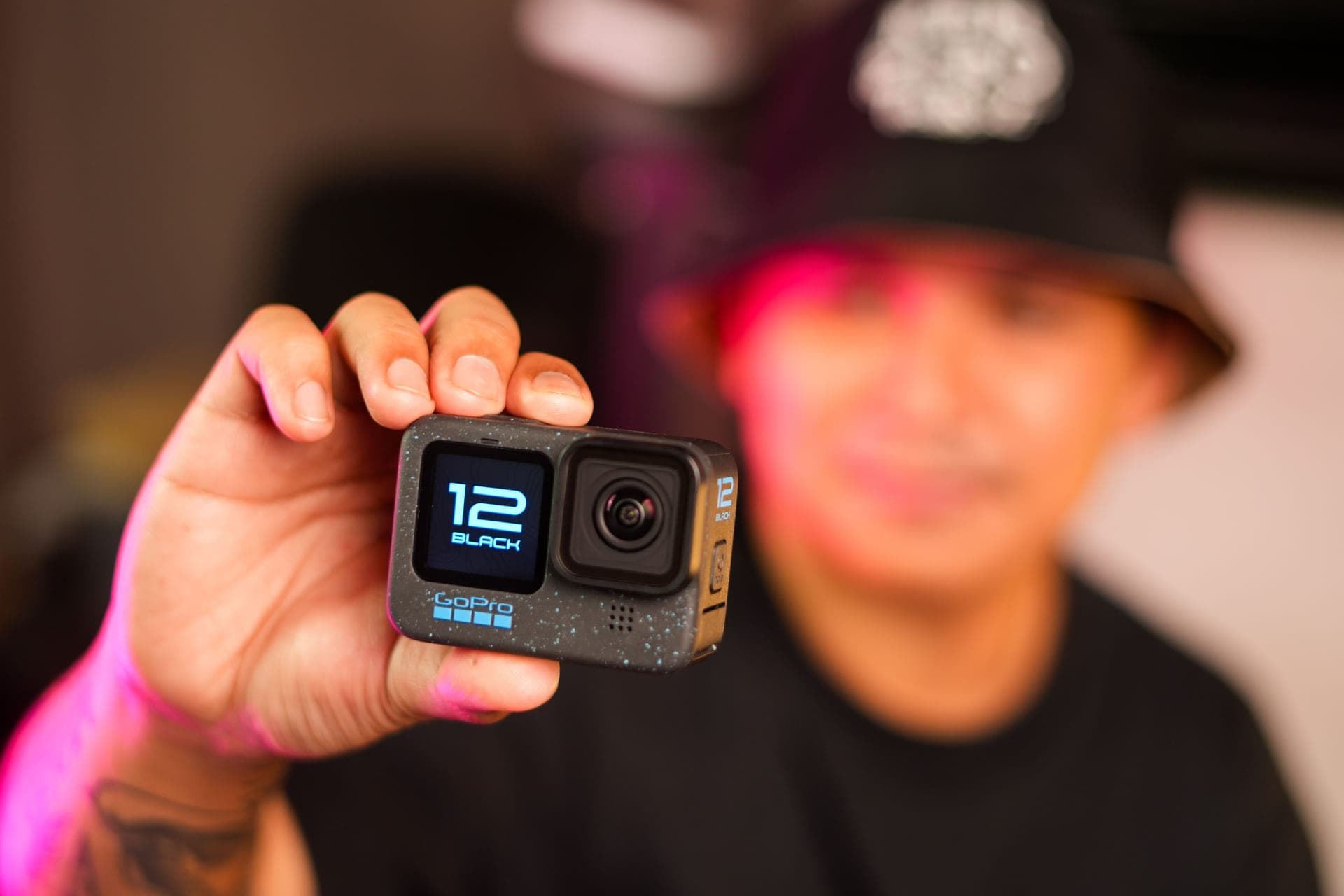 Insta360 Ace Pro 2 The best-looking image of the three flagships, with a flip screen that finally makes a chest-mounted shot something you can frame. | Family trips where you want the footage to look like more than dashcam clips | 8.6/ 10 | |
| 04 |  Insta360 X5 15m rated, replaceable lenses, and the one camera that means you never have to aim while you are paddling. | Anyone filming themselves on the water who cannot stop to frame a shot | 9.1/ 10 | |
| 05 |  DJI Osmo Action 4 The previous DJI flagship, still 18m bare and still on shelves — the most water rating per dollar in this list. | Buyers who want deep-water capability without paying flagship money | 8.5/ 10 | |
| 06 | 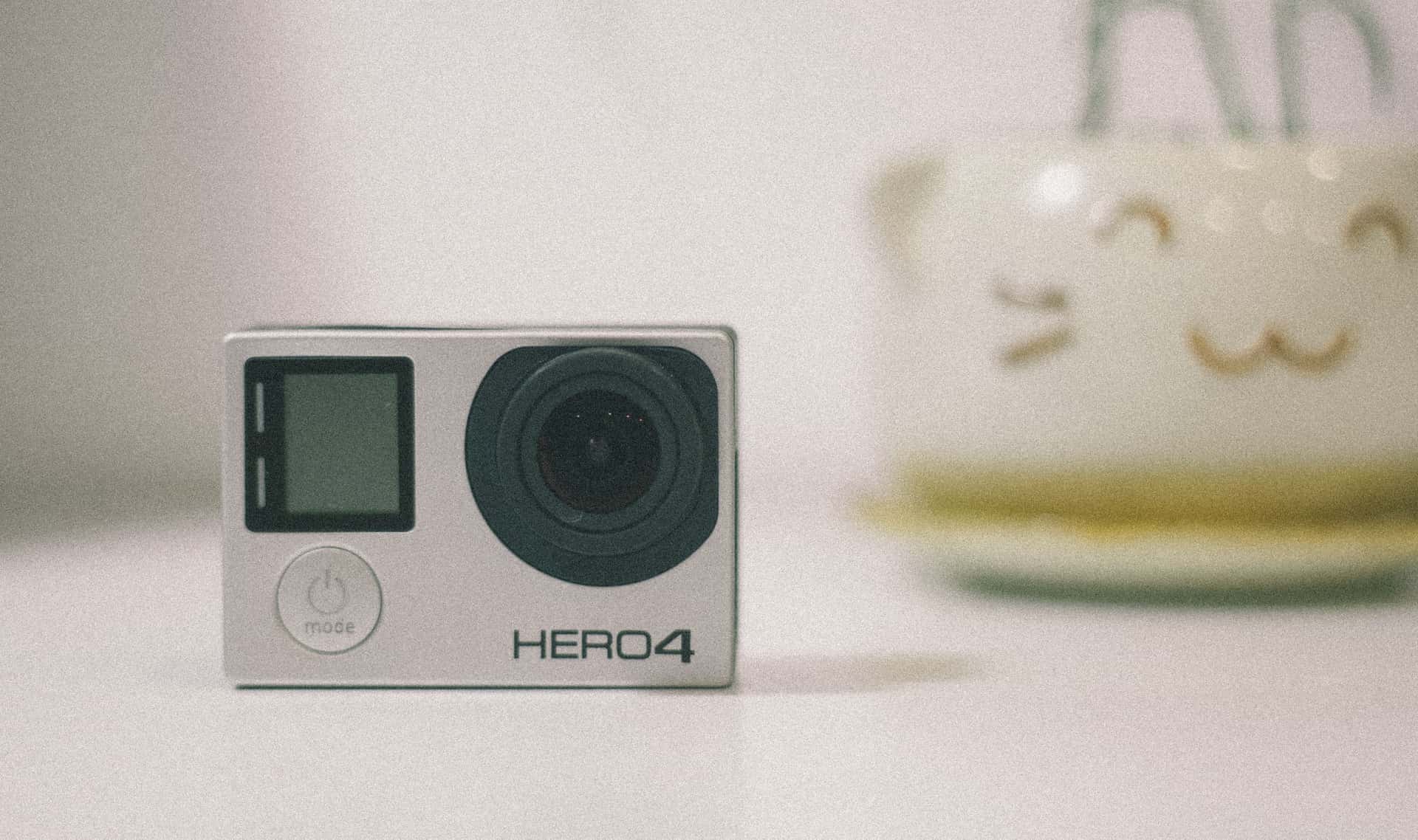 GoPro HERO (2024) The cheapest real GoPro, and the one whose 16ft rating you have to take seriously before you take it snorkeling. | A first camera, a kid's camera, or a second angle that mounts anywhere | 7.1/ 10 | |
| 07 |  AKASO Brave 8 Lite Two batteries and a bag of mounts in the box at a fraction of flagship money — buy it knowing the stabilization gives up first. | A pool, a calm lake, a first camera you are not precious about | 7.4/ 10 |
Scores are our editorial judgment from published specs and named independent reviews, weighted for lake and trail use — not measurements. We have not tested these units and do not own them.
02
How we picked
We do not lab-test, bench-test or dive-test cameras, and we do not own test units. What we do instead is read the manufacturer's published specifications, read the independent reviews that genuinely do test, read owner reports for the failure modes specs never mention — fogging, salt corrosion, cold battery collapse, mount slippage — and then weight all of it for action cameras used on lake and trail. Where a number is not published, the page says “not published” rather than filling the cell.
The full method, including what we refuse to do, is on the editorial policy page.
- 30%Water survival
- Rated depth without a case, door design, and what the manufacturer actually publishes.
- 25%Stabilization in chop
- A kayak deck and a rooty trail shake in ways a handheld walk test never shows.
- 20%Battery in the cold
- Published runtime, spare-battery cost, and whether it charges while recording.
- 15%Mount ecosystem
- Finger mount, threaded, magnetic — and how much of it you have to re-buy.
- 10%Footage you will keep
- Lens replaceability, low-light behavior, and how much cutting the footage needs.
Why this list is ranked the way it is
Most “best action camera” lists rank by sensor size and headline resolution, because those are the numbers manufacturers push and the easiest things to put in a table. Neither is what decides whether a day on the water produces usable footage.
This site's buyer needs a camera that works wet, cold and on a moving boat, so the rubric weights water survival at 30%, stabilization in chop at 25%, cold-weather battery at 20%, mount ecosystem at 15% and the footage itself at 10%. That is printed above, and you are welcome to disagree with it — if you mostly film in a studio, it is the wrong weighting entirely.
The numbers, side by side
| Camera | Bare depth | Battery | Published runtime | Stabilization |
|---|---|---|---|---|
| DJI Osmo Action 5 Pro | 20m | 1950mAh | 240 min at 1080p24 | RockSteady 3.0 |
| GoPro HERO13 Black | 10m | 1900mAh Enduro | 1.5h at 5.3K30 | HyperSmooth 6.0 |
| Insta360 Ace Pro 2 | 12m | 1800mAh | 180 min | FlowState |
| Insta360 X5 | 15m | 2400mAh | ~88 min at 8K30 | FlowState + Horizon Lock |
| DJI Osmo Action 4 | 18m | 1770mAh | 160 min at 1080p24 | RockSteady 3.0 |
| GoPro HERO (2024) | 5m | Built in | Not published | HyperSmooth |
| AKASO Brave 8 Lite | 10m | 2 × 1550mAh | 140 min at 4K | SuperSmooth |
Read the runtime column carefully. DJI's 240 minutes is at 1080p/24 with RockSteady on, Wi-Fi off and both screens off — a sensible, clearly stated test that looks nothing like how most people shoot. GoPro's 1.5 hours is at 5.3K30, which is much closer to real use and correspondingly shorter. They are not directly comparable, and that is worth knowing before a table talks you into something.
The three shapes of camera, and who each suits
Flat action cameras — the HERO13 Black, Osmo Action 5 Pro, Ace Pro 2, Action 4, Brave 8 Lite. Point them where you want them. Best stabilization, best mounts, simplest workflow. This is the default and it is the right default.
360 cameras — the Insta360 X5. Record everything, choose the angle afterwards. Transformative for filming yourself, at the cost of an editing step on every clip. The format comparison makes both cases.
Tiny cameras — the GoPro HERO, and the Insta360 GO Ultra covered in the budget roundup. They win by being the camera you actually bring, and they pay for it in depth rating and battery.
What to buy next, whichever you choose
The camera is about two-thirds of the purchase. The rest is a card that can keep up, a spare battery or a power bank, a mount that fits the thing you are attaching it to, and — if there is any water involved — a float.
Budget for those up front rather than discovering them on the second trip. The first five accessories is a deliberately short list.
03
Every pick, in detail
- 20m bare / 60m with case
- 1950mAh · 240 min at 1080p24
- -20° to 45°C
- 9.5
- 9.0
- 9.5
- 8.0
- 9.0
DJI Osmo Action 5 Pro
DJI
Goes to 20m with no housing at all and publishes a 240-minute runtime — the two numbers that decide a long, wet, cold day.
Long paddles, cold water, and anyone tired of buying a housing to get past 10m
It leads because it wins the two categories that carry half the score. 20m without a case removes an entire accessory chain, and 240 published minutes at 1080p/24 is the longest runtime figure anyone in this group states. The -20°C operating range is the quiet third thing: a camera that keeps working in October is worth more than one that shoots a higher resolution in July.
- 20m without the Waterproof Case — double the bare-camera depth of the HERO13 Black
- DJI publishes 240 minutes of recording at 1080p/24 with screens off, the longest figure in this set
- Rated to -20°C, which matters more on an October lake than any resolution number
- 1/1.3-inch sensor holds detail when the light goes flat
- Mount ecosystem is smaller than GoPro's, and magnetic quick-release adapters are their own purchase
- 146g — the heaviest of the flagship three
- Fewer third-party mounts and filters exist for it
Specs from DJI Osmo Action 5 Pro published specifications.
- 33ft (10m), no housing
- 1900mAh Enduro
- 1.5h at 5.3K30 / 2.5h at 1080p30
- 8.0
- 9.5
- 8.5
- 9.5
- 9.0
GoPro HERO13 Black
GoPro
The safest default for lake and trail: 33ft without a housing, the steadiest footage in the category, and a mount for literally everything.
Anyone who wants one camera to handle the kayak, the bike and the family trip
A very close second, and the right pick for most people who already own GoPro hardware. HyperSmooth 6.0 is the steadiest stabilization here, the mount ecosystem has no real rival, and the Enduro battery is the only one with a published cold figure (full function to 14°F). It loses on one number: 33ft bare is the shallowest of the flagships.
- HyperSmooth 6.0 with AutoBoost is the steadiest stabilization we can find published figures for
- Built-in mounting fingers plus 1/4-20 threads — it fits the GoPro ecosystem and a normal tripod
- Enduro battery is rated to keep full camera functionality down to 14°F (-10°C)
- Replaceable lens cover, so a scratched lens is a $20 problem and not a $400 one
- 33ft is shallower than the DJI and it is the shallowest of the three flagships
- Anything past 33ft needs the separate Protective Housing
- HB-Series lenses and ND filters are all extra purchases
Specs from GoPro HERO13 Black published specifications.
- 39ft (12m) / 60m with dive case
- 1800mAh · 180 min published
- 1/1.3" with Leica lens
- 8.5
- 8.5
- 9.0
- 7.5
- 9.5
Insta360 Ace Pro 2
Insta360
The best-looking image of the three flagships, with a flip screen that finally makes a chest-mounted shot something you can frame.
Family trips where you want the footage to look like more than dashcam clips
The best-looking footage of the three flagships, and the flip screen is genuinely useful when you are in front of the camera rather than behind it — which on a boat or a trail is most of the time. Sits third because mounts and depth both favor the two above it.
- 8K30 with a 1/1.3-inch sensor — the most detail in the group
- 12m bare, which clears every snorkel depth without a housing
- 180-minute published battery life and 80% charge in 18 minutes
- Flip screen means you can frame a shot you are standing in front of
- 12m is still short of the DJI's 20m
- The dive case is a separate purchase for anything past 12m
- Fewer mount options than GoPro, and an adapter tax if you switch
Specs from Insta360 Ace Pro 2 published specifications.
- IP68 to 49ft (15m)
- 2400mAh · ~88 min at 8K30
- User-replaceable
- 9.5
- 9.5
- 9.0
- 8.5
- 7.5
Insta360 X5
Insta360
15m rated, replaceable lenses, and the one camera that means you never have to aim while you are paddling.
Anyone filming themselves on the water who cannot stop to frame a shot
The only camera here that changes what you can film rather than how well. You never aim it, which matters enormously if you paddle or ride alone. Ranked fourth on this general list because of the reframing pass on every clip — on the 360 roundup it is the clear winner.
- 15m IP68 is the deepest bare rating of any camera on this site
- User-replaceable lenses — the single biggest fix for the 360 format's worst failure mode
- 185 minutes in Endurance mode at 5.7K24, which is a whole day of clips
- Invisible-selfie-stick reframing means you point the camera at nothing and pick the angle later
- Exposed lenses still scratch; lens guards are a purchase, not an option
- Every clip needs a reframing pass before anyone else can watch it
- 8K30 files are large and the edit is slower than flat footage
Specs from CineD, Insta360 X5 announcement with published specifications.
- 18m bare / 60m with case
- 1770mAh · 160 min at 1080p24
- -20° to 45°C
- 9.0
- 8.5
- 8.5
- 8.0
- 8.0
DJI Osmo Action 4
DJI
The previous DJI flagship, still 18m bare and still on shelves — the most water rating per dollar in this list.
Buyers who want deep-water capability without paying flagship money
The value pick. 18m bare, -20°C, same 1/1.3-inch sensor as the current flagship, at whatever the superseded price happens to be. It is the most depth and cold tolerance per dollar in this list.
- 18m without a case still beats every current GoPro by a wide margin
- Same 1/1.3-inch sensor size as the Action 5 Pro
- Rated to -20°C like its replacement
- Usually the cheapest way into serious bare-camera depth
- 160 minutes published against the Action 5 Pro's 240
- Superseded, so accessories and support will taper off first
- No front OLED — the Action 5 Pro's front screen is genuinely more useful for framing
Specs from DJI Osmo Action 4 published specifications.
- 16ft (5m)
- 4K30, 2.7K60 slo-mo
- Built in, not user-removable
- 6.0
- 7.5
- 6.0
- 9.0
- 7.0
GoPro HERO (2024)
GoPro
The cheapest real GoPro, and the one whose 16ft rating you have to take seriously before you take it snorkeling.
A first camera, a kid's camera, or a second angle that mounts anywhere
Here because it is genuinely the smallest and cheapest real GoPro, and because the 16ft rating deserves to be stated plainly rather than discovered. A built-in battery also means you cannot carry a spare — you carry a power bank instead.
- Genuinely tiny — 46% less mass than HERO13 Black
- Built-in mounting fingers, and GoPro lists it as compatible with 35+ mounts
- HyperSmooth stabilization at the lowest GoPro price
- Simple enough to hand to someone who has never used one
- 16ft (5m) is a snorkel-adjacent rating, not a diving one
- The battery is built in — you cannot carry a spare, you carry a power bank
- 4K30 is the ceiling; no 4K60, no high-frame-rate 4K
Specs from GoPro HERO published specifications.
- IPX8 10m / 60m with case
- 2 × 1550mAh included
- 140 min at 4K / 150 min at 1080p
- 7.5
- 6.5
- 8.0
- 8.5
- 6.5
AKASO Brave 8 Lite
AKASO
Two batteries and a bag of mounts in the box at a fraction of flagship money — buy it knowing the stabilization gives up first.
A pool, a calm lake, a first camera you are not precious about
The honest budget entry: IPX8 to 10m, two batteries and a bag of mounts included, 4K60. The stabilization is where the price shows, and it shows exactly when the water stops being flat.
- IPX8 to 10m bare, which matches the HERO13 Black's rating on paper
- Ships with two batteries, a charger and seven mounts — nothing else to buy on day one
- 4K60 and dual screens at a price well under the flagships
- Uses GoPro-standard two-prong mounting, so the whole accessory world fits
- SuperSmooth stabilization is a step behind HyperSmooth and RockSteady in chop
- The 60m rating belongs to the separate housing, not the camera
- Low light is where the price shows most
Specs from AKASO Brave 8 Lite published specifications.
04
What decides this category
Bare depth rating
The number that decides whether you also need a housing. A housing costs you audio quality, adds an O-ring to maintain and introduces fogging. A camera that clears your real depth on its own avoids all of it — the depth table has every published figure.
Stabilization, judged on the right test
Every review walks down a street holding two cameras. That tells you about smooth motion, which all of these handle. What separates them is sharp repetitive impact — a hull in chop, a wheel on roots — and that is what our 25% weighting is about.
Battery, in the temperature you use it
DJI publishes an operating range to -20°C on both Osmo bodies. GoPro publishes full functionality to 14°F with the Enduro battery. Insta360 does not publish an equivalent figure for the X5 or Ace Pro 2, so we do not compare them on it. Either way, carry a spare from autumn onwards and keep it somewhere warm.
Mount ecosystem, because you will buy mounts
The two-prong GoPro finger interface is the nearest thing to a standard, and the kayak and bike worlds are built around it. Other brands adapt, and adapters add height and flex. Mount compatibility covers what genuinely fits.
What we would skip
8K. A 360 camera spreads it over a sphere so the flat export is closer to good 4K; on a flat camera it costs battery, heat and card speed for detail nobody sees on a phone. Also skip a gimbal — electronic stabilization has closed that gap, as do you need a gimbal sets out.
05
Questions people actually ask
01What is the best action camera overall?
For lake and trail use, the DJI Osmo Action 5 Pro — 20m bare, 240 published minutes and a -20°C operating range is the strongest combination of the things that decide a wet, cold day. The GoPro HERO13 Black is very close, and wins outright if you already own GoPro mounts.
02Is a GoPro still worth it?
Yes, for stabilization, for the mount ecosystem and for the simplest possible workflow. It is no longer automatically the deepest-rated or the longest-lasting, which is the useful thing to know — do you need a GoPro goes further.
03How much should I spend on an action camera?
Between roughly $200 and $400 buys better stabilization and better low light. Below $200 the waterproofing is often the case rather than the camera, and stabilization gives up when the water gets rough. Above $400 you are mostly buying resolution you will not see.
04Do I need 4K or 5.3K?
4K is plenty for almost everyone, and shooting 4K60 instead of the maximum mode gives you longer battery, cooler running, smaller files and slow-motion headroom. The settings guide makes the case.
05Which action camera has the best battery life?
On published figures, the DJI Osmo Action 5 Pro at 240 minutes — but that is measured at 1080p/24 with the screens off. Compare like with like before treating it as a four-hour camera.
06Which is best for filming yourself?
The Insta360 X5, clearly, because you never have to aim it. If you paddle or ride alone that advantage outweighs most of this list — at the cost of a reframing pass on every clip.
06
Read this next
GoPro vs Insta360 vs DJI
The three-way brand comparison, decided by scenario rather than by spec.
Best action cameras for kayaking
The same cameras, weighted for a boat that is wet and moving.
Best budget action cameras
What you genuinely give up below about $200, said plainly.
Best action cameras for mountain biking
Where stabilization and mount position matter more than depth.
The first five accessories
What to buy alongside the camera, and what to ignore.
07
Sources
- DJI Osmo Action 5 Pro specifications
- DJI Osmo Action 4 specifications
- GoPro HERO13 Black published specifications
- GoPro HERO (2024) published specifications
- AKASO Brave 8 Lite specifications
- Insta360 Ace Pro 2 published specifications
- CineD, Insta360 X5 announcement with published specifications
Specifications are quoted from the manufacturer pages above as they read on the dates shown. Where a figure is not published, this site says so rather than estimating one. We have not tested these products.