Camera gifts for kayakers
Six gifts that get used, sorted by how much you need to know about their setup.
Written for the person doing the shopping, not the person who already owns three mounts.
We earn a commission if you buy through our links, at no extra cost to you. It never changes what we recommend or the order we rank it in — how this works.
01
Buying camera gear for somebody else is harder than buying it for yourself, because the things that decide whether a gift gets used are exactly the things you cannot see from the outside: which camera they already own, whether their kayak has an accessory track, what diameter their handlebar is. This section is written to get around that.
Buy things that do not need to match. A float, a memory card, a set of anti-fog inserts, a power bank and a clamp mount with a wide jaw range all work regardless of which camera they own and which boat they paddle. A camera-specific battery, a housing, a lens filter or a track mount all need you to know something specific — and if you knew it, you would not be reading a gift guide.
If you do know exactly which camera they own, the matched accessories become excellent gifts, because they are the things people put off buying for themselves. A spare battery is the least exciting and most appreciated present in this entire category.
Under $50 is the most reliable band, which surprises people. A high-endurance memory card, a float, a pack of anti-fog inserts, a clamp mount — all genuinely useful, all things an owner either lacks or wants a second of. The under-$50 list is built entirely from things that do not require knowing their exact setup.
$50 to $150 gets into real mounts and power: a track mount for a fishing kayak, a floating grip, a power bank, a boom. These change how someone films rather than just supporting it. Check the fit numbers first — a clamp with a 9mm to 35mm range fits almost any bar, but a track mount needs their kayak to have a track.
Above $150 you are buying a camera, and at that point it is worth asking rather than surprising. If asking is out of the question, the beginner picks are the safest cameras to buy for somebody else, because they need the least setup to produce something good.
Three questions, and you can usually answer all three from a photo of their boat or bike.
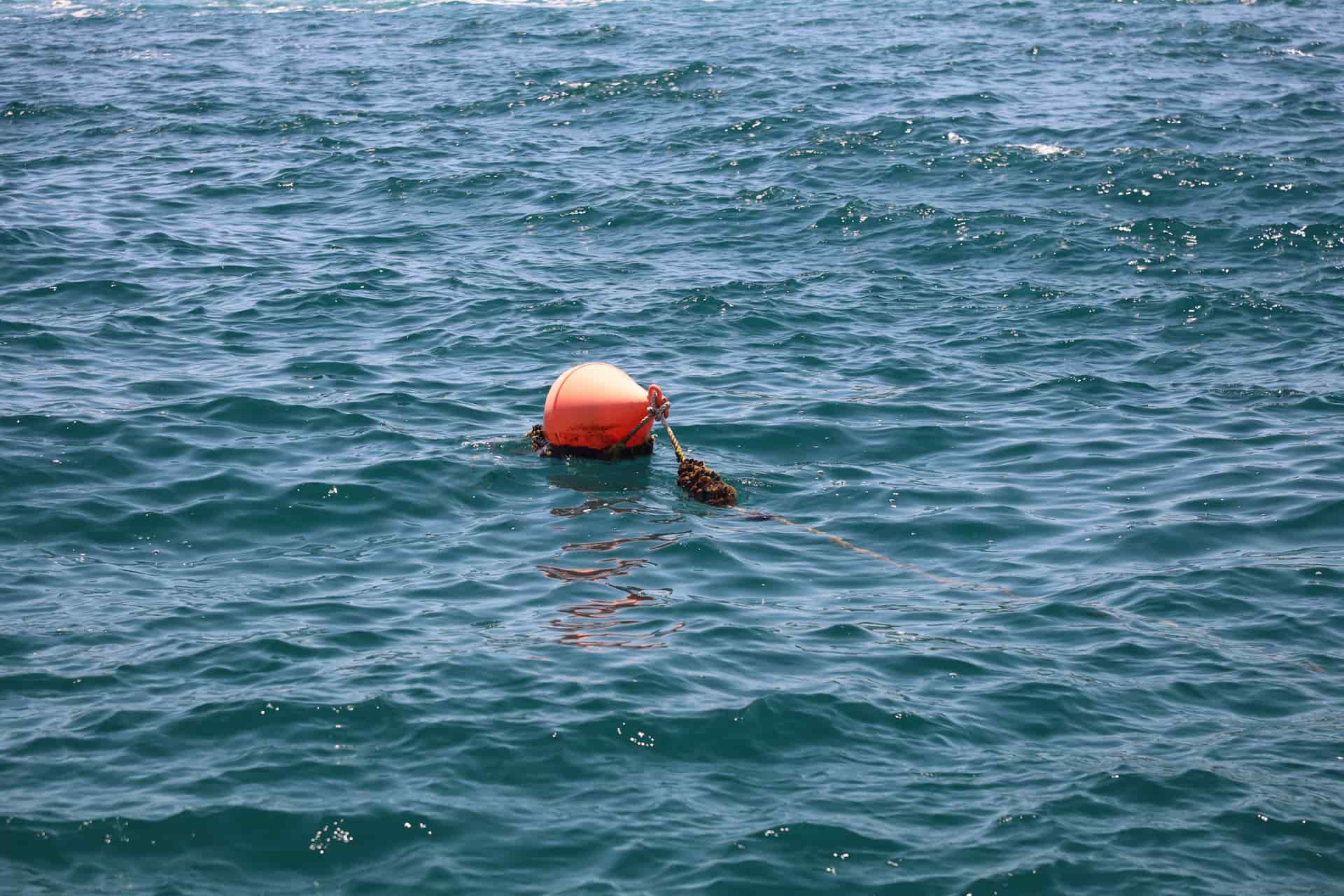
Do they already have a float? If not, that is the gift, whatever else you buy. A camera at the bottom of a lake is the most preventable disaster in this hobby, and the prevention costs very little — the floats and tethers guide explains why it matters more than it sounds.
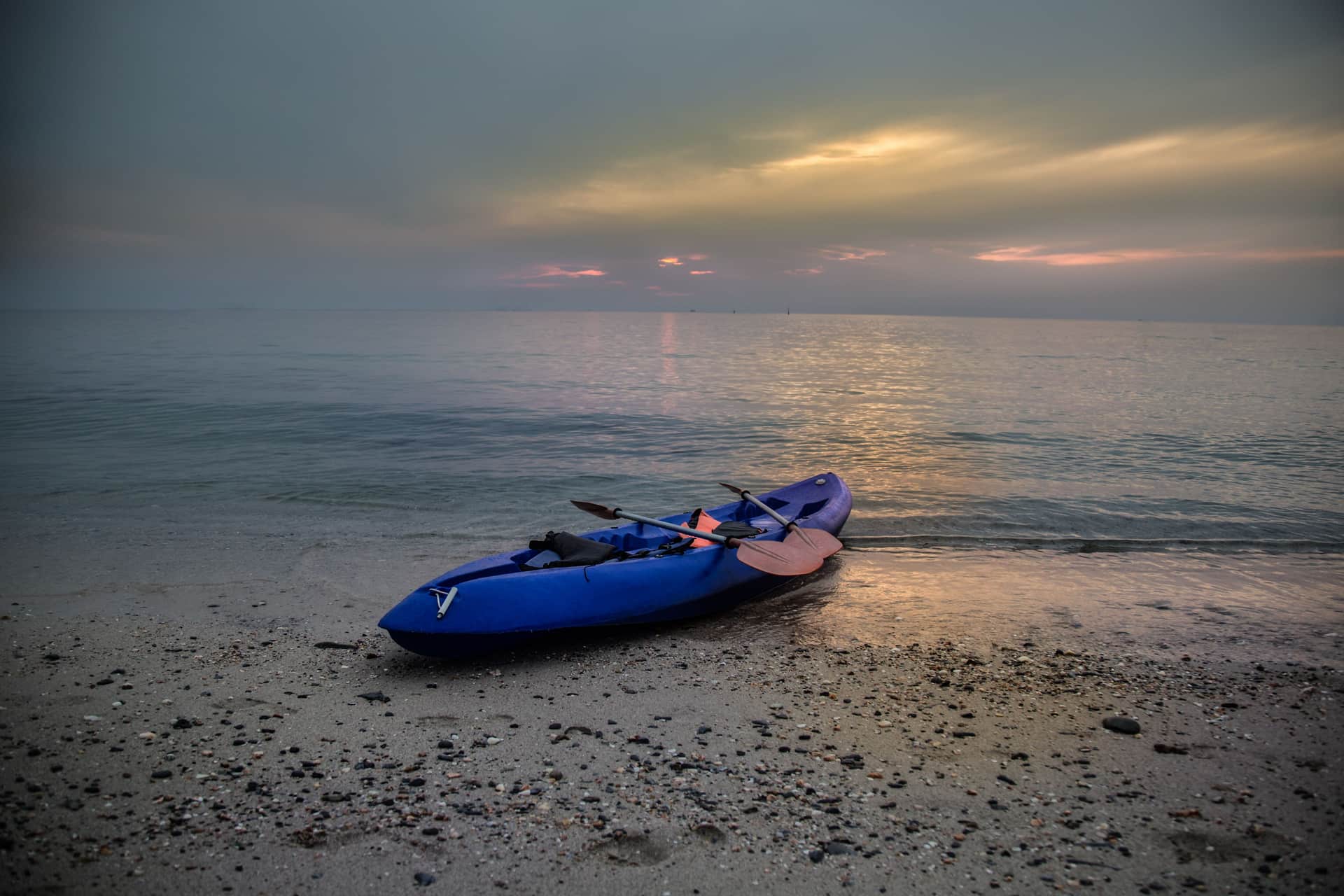
Does the kayak have an accessory track? A rail running along the gunwale means a track mount will work. No track means a clamp or a suction mount instead — the kayak mount roundup splits by exactly this.
What will they still need to use it? A camera with no card records nothing. A housing with no anti-fog inserts fogs. A boom with no base is a stick. Gifts that arrive incomplete get put in a drawer, so either include the missing piece or pick something that stands alone.
Buying the twenty-piece accessory bundle. It looks generous — twenty things! — and most of it is mounts for activities they do not do, in plastic that will not survive the ones they do. Two good things beat twenty mediocre ones, and the recipient can tell the difference immediately.
The second mistake is buying the newest camera when they already own a working one. A camera from two generations back does almost everything the current one does; a float, a better card and a mount that fits their boat will improve their footage far more than an upgrade would. The outdoor dads list leans on exactly that logic.
02
Six gifts that get used, sorted by how much you need to know about their setup.
Five small gifts that get used, and why this price band is more reliable than a bigger budget.
Five gifts for someone who paddles, rides or hikes — sorted by how much you need to know.
03
Depth ratings you can check, the fog problem nobody warns you about, and why the float matters more than the camera.
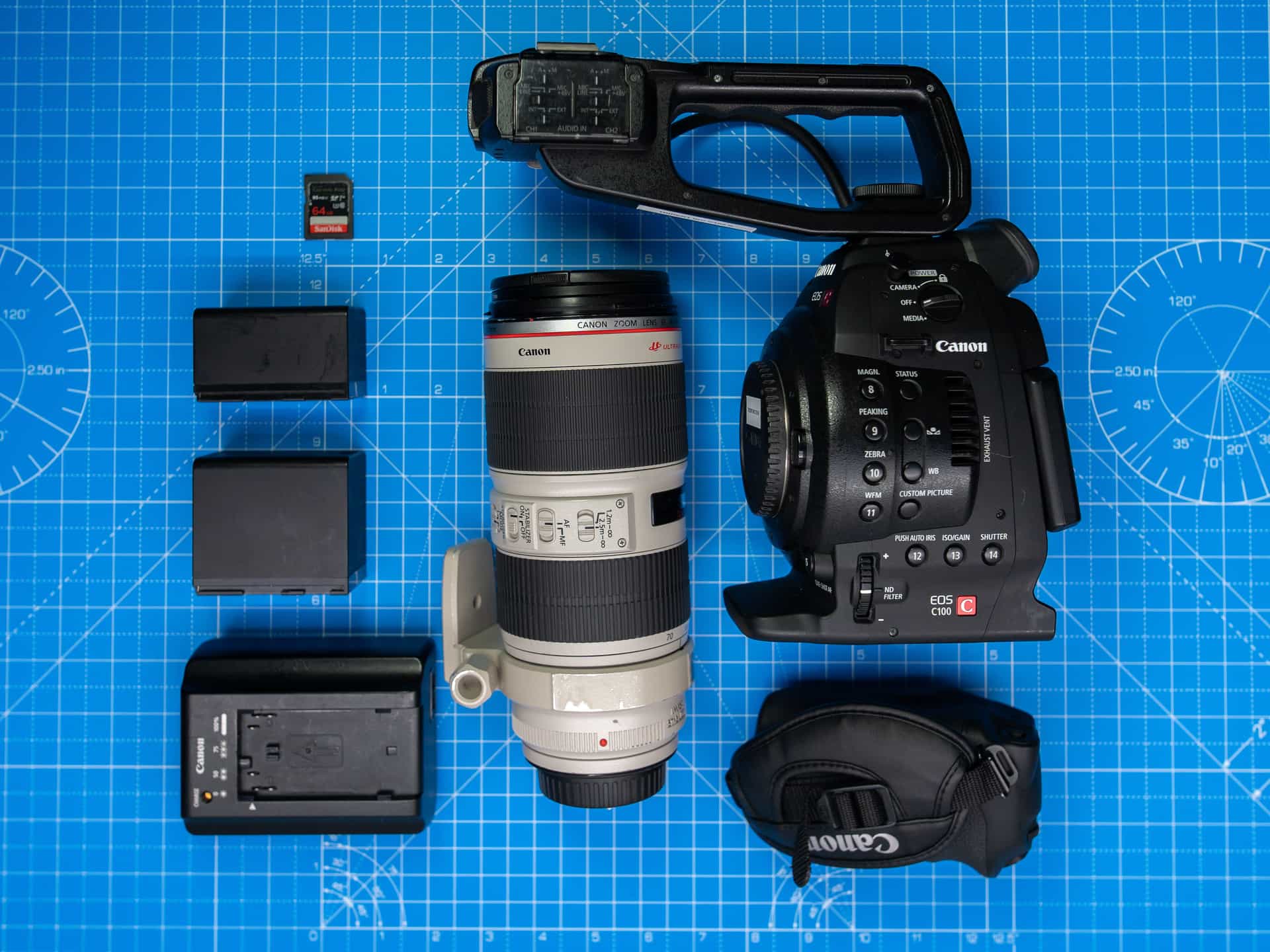
Five purchases decide whether a camera works all day. Most of them cost less than a tank of gas.
We do not lab-test cameras and we own no test units. Here is exactly what we do instead, and what we refuse to do.