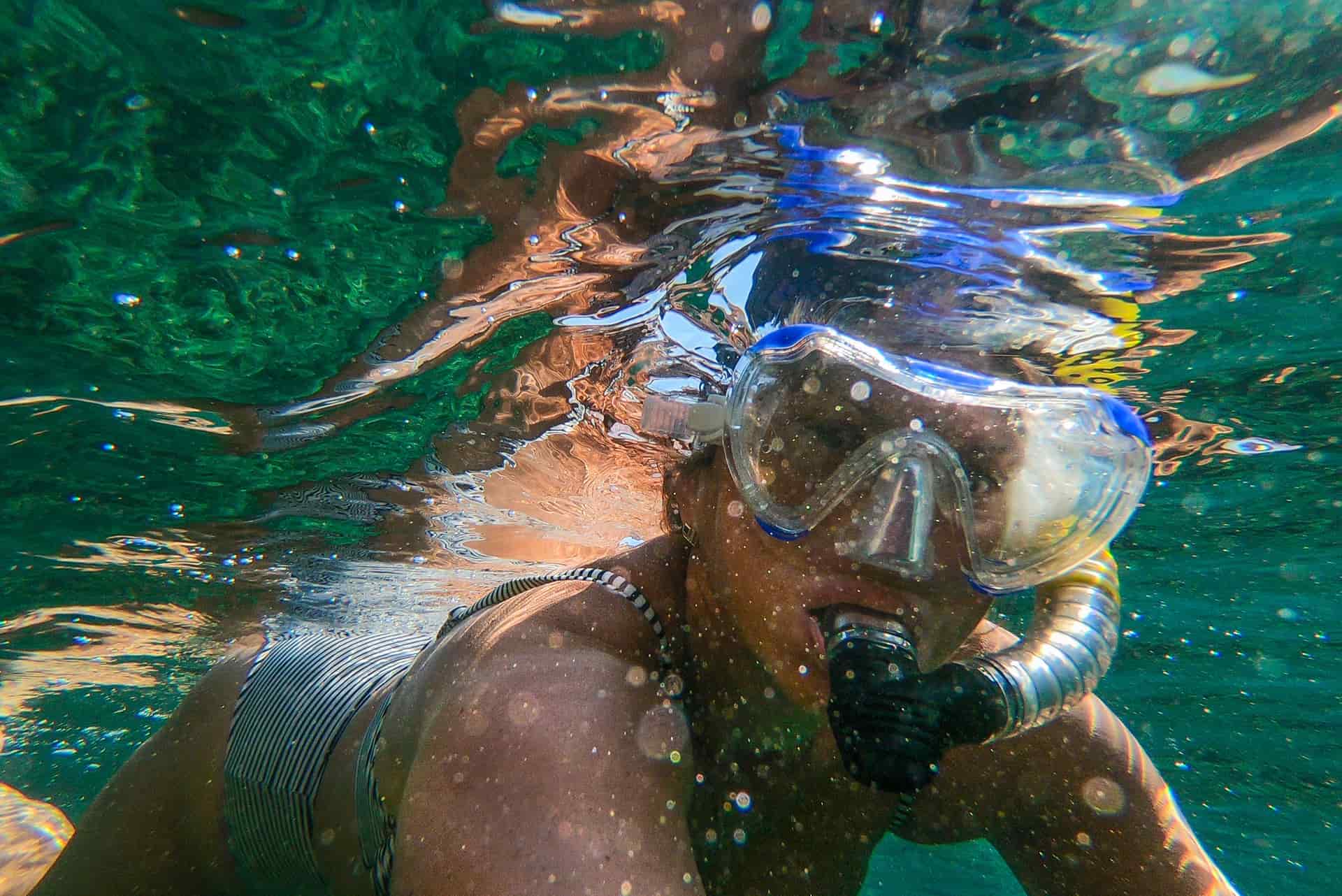
The best waterproof action cameras
Six cameras ranked by bare depth rating, the number that decides whether you need a housing at all.
Depth ratings you can check, the fog problem nobody warns you about, and why the float matters more than the camera.
We earn a commission if you buy through our links, at no extra cost to you. It never changes what we recommend or the order we rank it in — how this works.
01
This is the section the rest of the site exists for. Cameras sold as waterproof fail in water constantly, and almost never because the rating was wrong — they fail because the rating described something other than what the owner assumed, or because the camera went to the bottom of a lake still perfectly sealed and perfectly lost.
A float. Before the housing, before the filters, before the second battery. A camera rated to 15 meters that has sunk to 12 meters of lake bottom is a camera you will never see again, and the accessory that prevents that costs a fraction of what the camera did. Every single person putting a camera on open water should read the floats and tethers guide before their first trip, not after their first scare.
Then the camera. For most people on lakes and rivers, a camera rated to 10m or deeper without a housing covers everything they will genuinely do — the waterproof roundup ranks them by real rating, not marketing language. If you kayak specifically, the kayaking roundup weights the things a kayak actually punishes: spray on the lens every third stroke, a deck that vibrates, and cold that halves a battery.
Water use splits three ways, and the right camera differs in each.
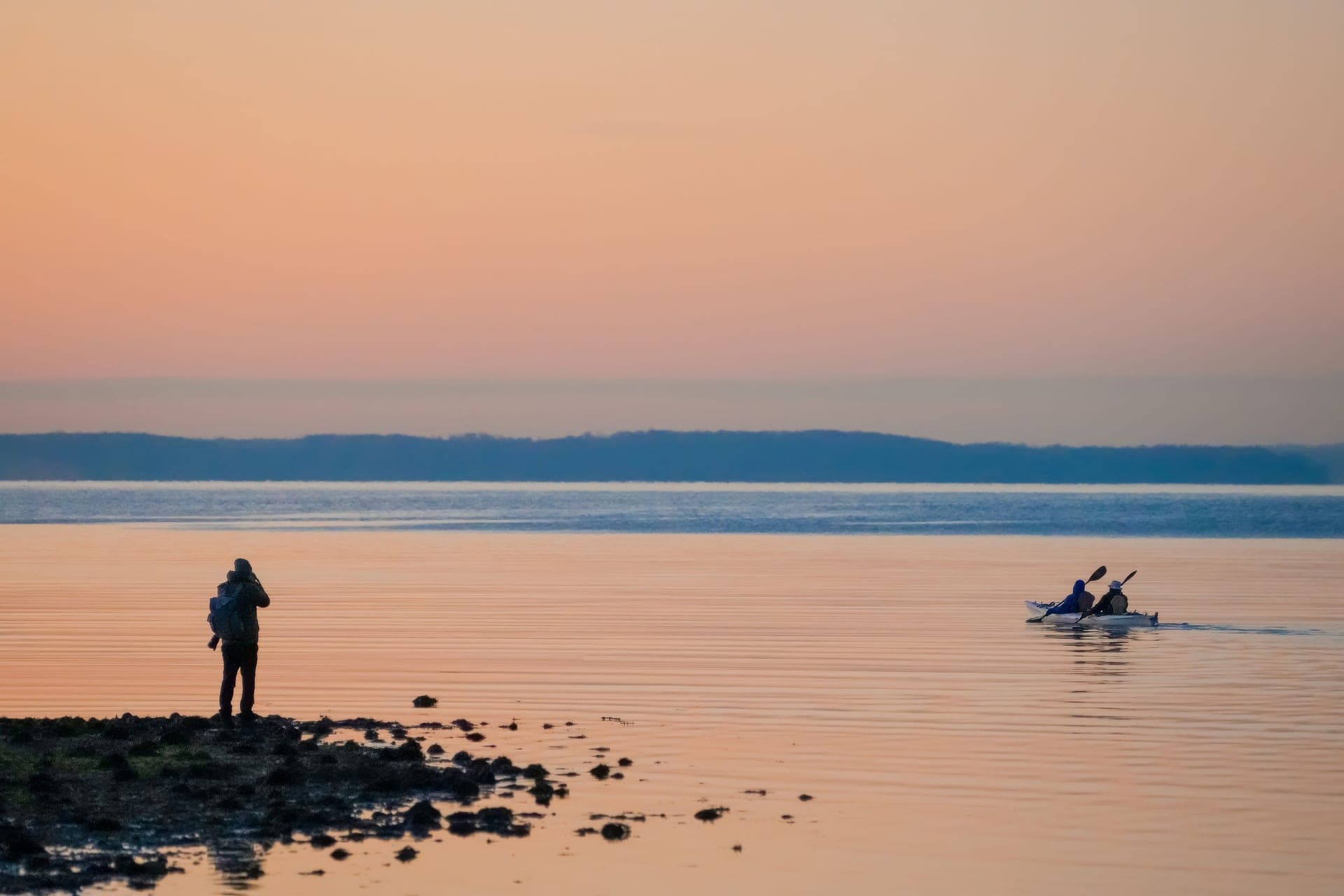
On the surface — kayaking, boating, paddleboarding, fishing. The camera is wet but rarely submerged. Spray, not depth, is the enemy, and the real problems are lens beading, a mount that creeps, and a battery that dies in the cold. Bare waterproof ratings are plenty; housings mostly hurt here by muffling audio and introducing fog risk.
At the surface, looking down — snorkeling, swimming, shallow reef. Now color is the problem. Water eats red first, and by fifteen feet everything looks blue-green no matter how good the sensor is. This is where filters earn their money, and where the snorkeling picks and the filter guide matter more than the camera choice does.
Below — diving. Past about 30ft you are in housing territory whatever camera you own, and fogging becomes a genuine trip-ruiner rather than an annoyance. Sealed air plus a temperature change equals condensation on the inside of the glass, which no setting fixes.
Bare depth rating and stabilization, mostly. A camera that gets you to 20m without a case is worth real money because it removes an entire accessory chain — no housing, no fog inserts, better audio. Beyond that, you are paying for sensor size, which shows up as usable footage on a gray October morning rather than as a number anyone notices in July.
Salt changes the calculation. If you paddle in salt water, the rinse routine matters more than any spec on the box, and it is genuinely the difference between a camera lasting two seasons and eight — the salt water care guide covers exactly what to do and how quickly you need to do it.
Trusting the biggest number on the box. A camera advertised at 60m is usually a camera rated to 10m in a housing rated to 60m, and those are very different products with very different failure modes. The same goes for cases: a case rated deeper than the camera does not make the camera deeper — it makes the case the only thing keeping water out, which is exactly why a single grain of sand on an O-ring ends a trip.
The second mistake is mounting high. On a sit-on-top in chop, a mount low on the deck gets a lens covered in spray within minutes. Higher and further back is drier, and is the single cheapest improvement most people can make to their water footage. That is a mount problem rather than a camera problem, and it is covered in the kayak mounting guide.
02
Six cameras ranked by bare depth rating, the number that decides whether you need a housing at all.
Six cameras ranked for the three things a kayak actually does to them: spray, vibration and cold.
Five cameras for the long day, the wet deck and the shot that has to include the rod tip.
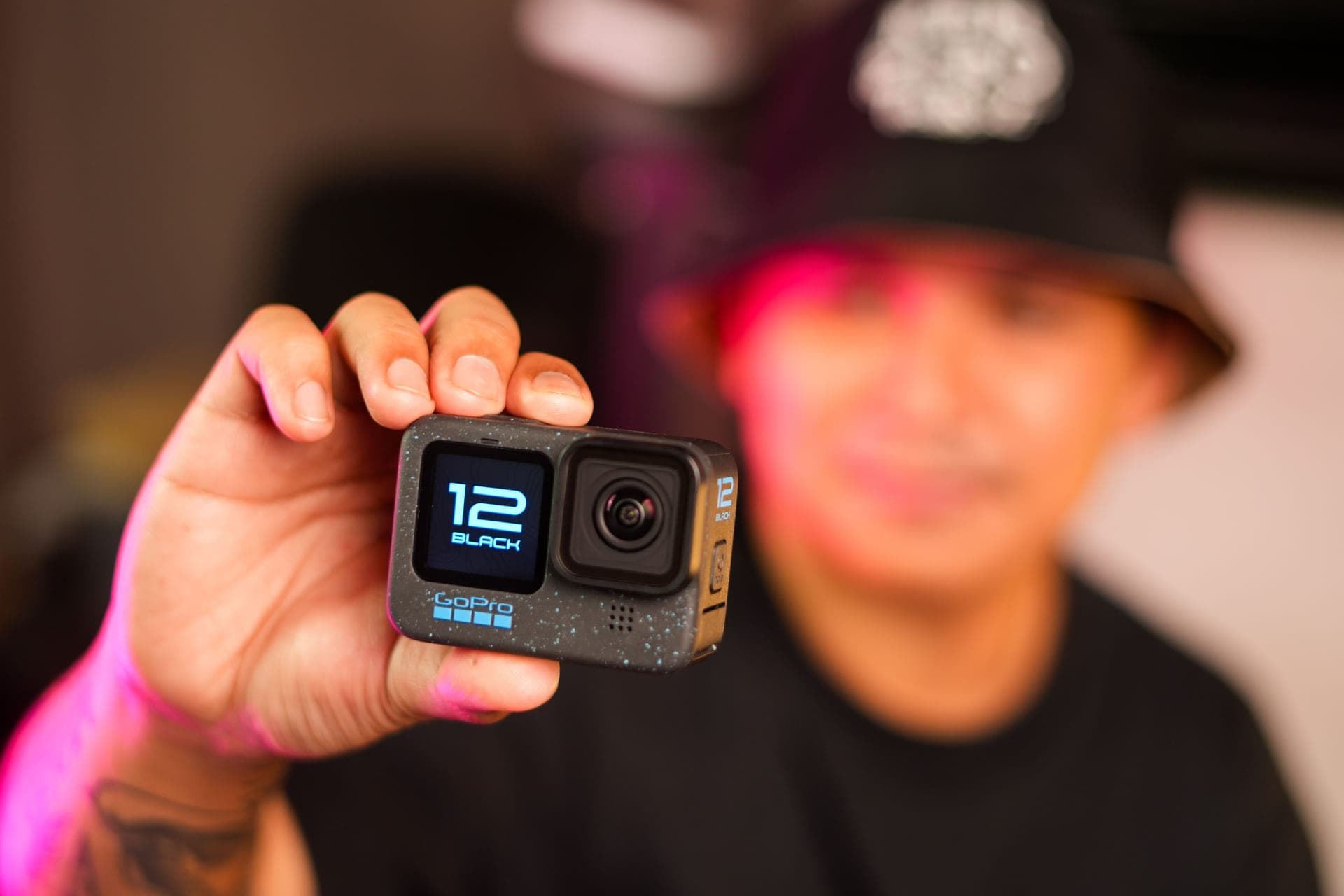
Five cameras for the top fifteen feet, plus the reason your last snorkeling video came back blue.
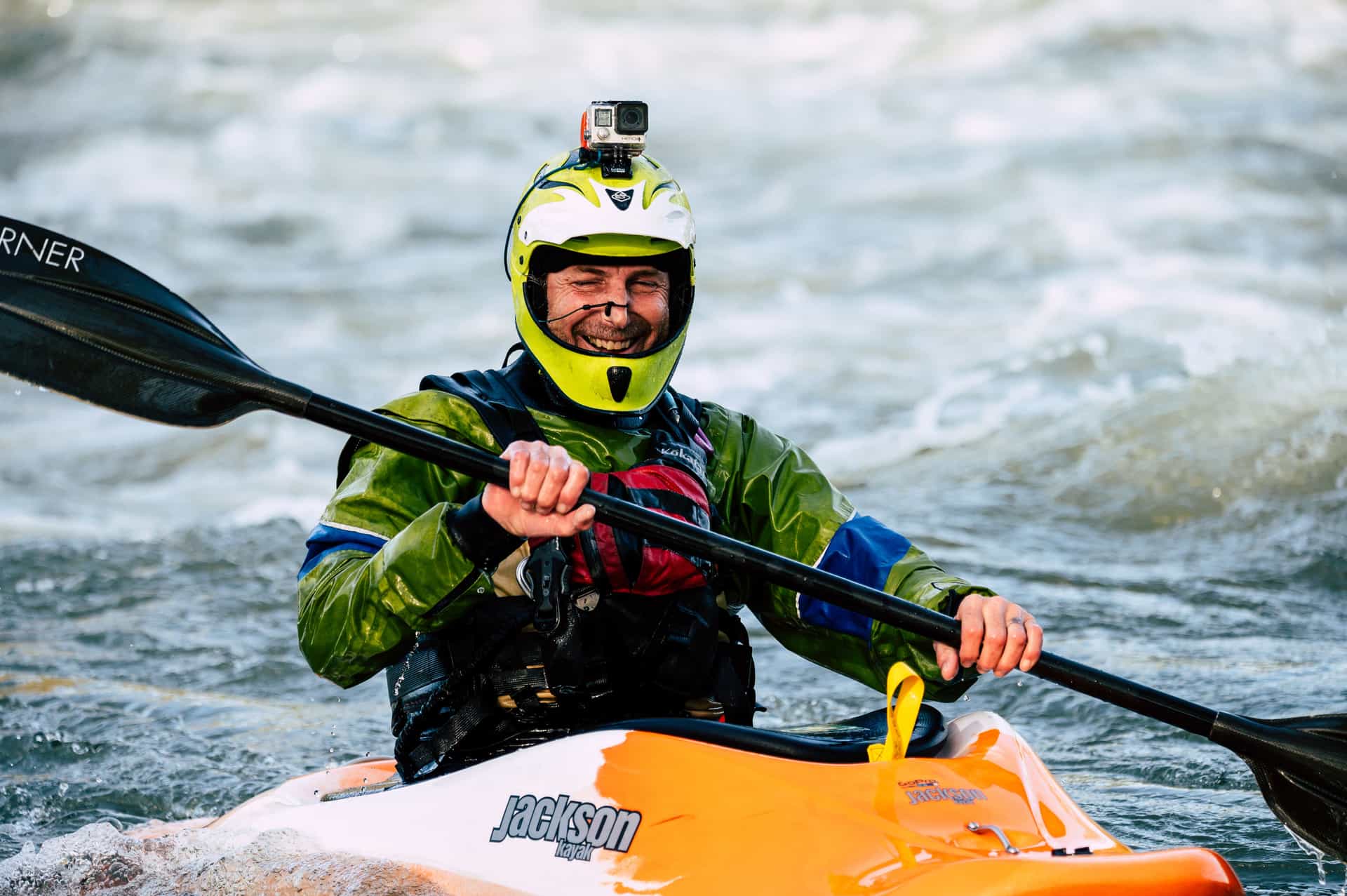
Five cameras for pontoons, powerboats and tubing, plus the mount that holds at speed.

Three picks for filming yourself on the water, and an honest account of what reframing costs.
03
04
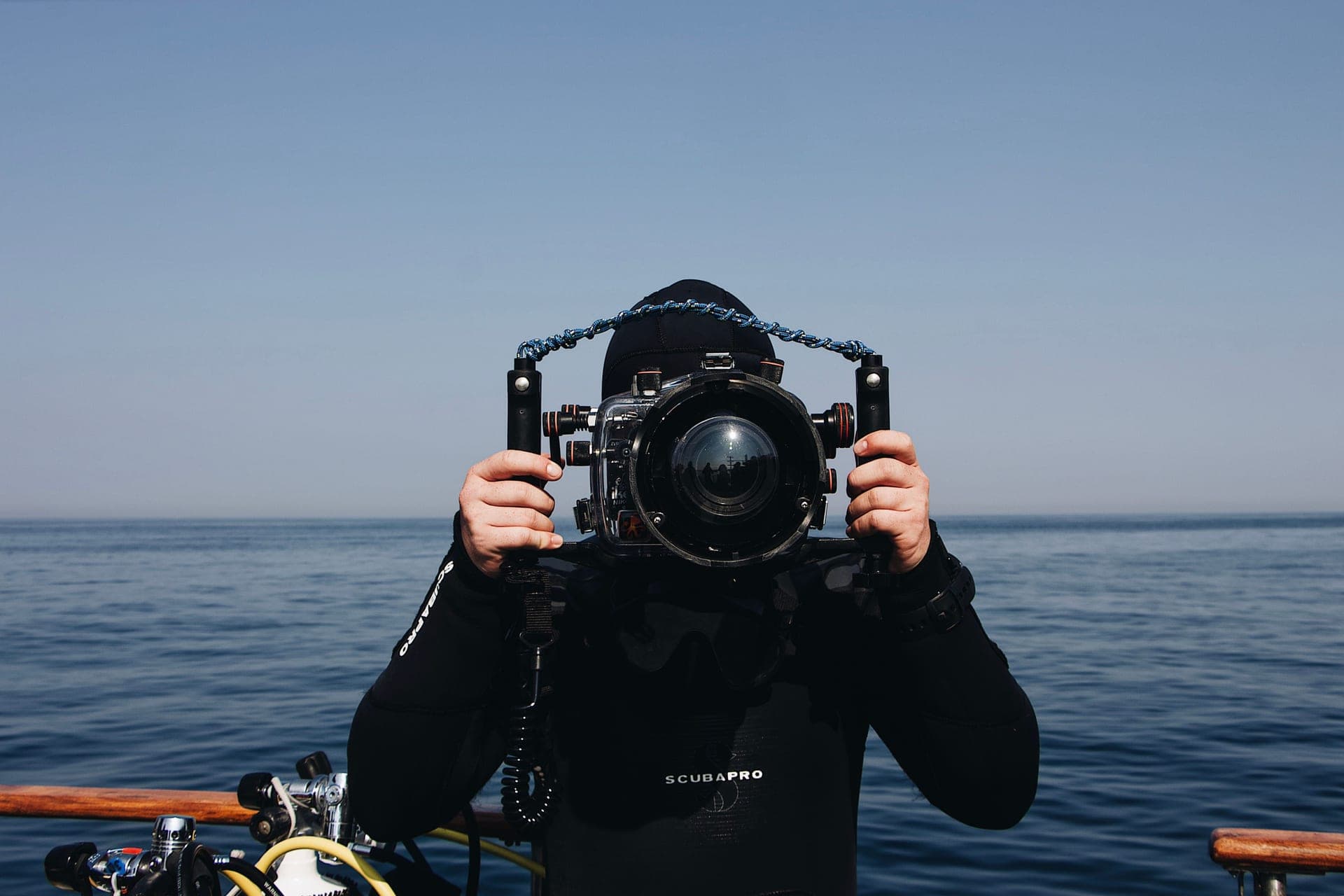
The depth table: every model, bare rating and housed rating, from the manufacturers' own pages.
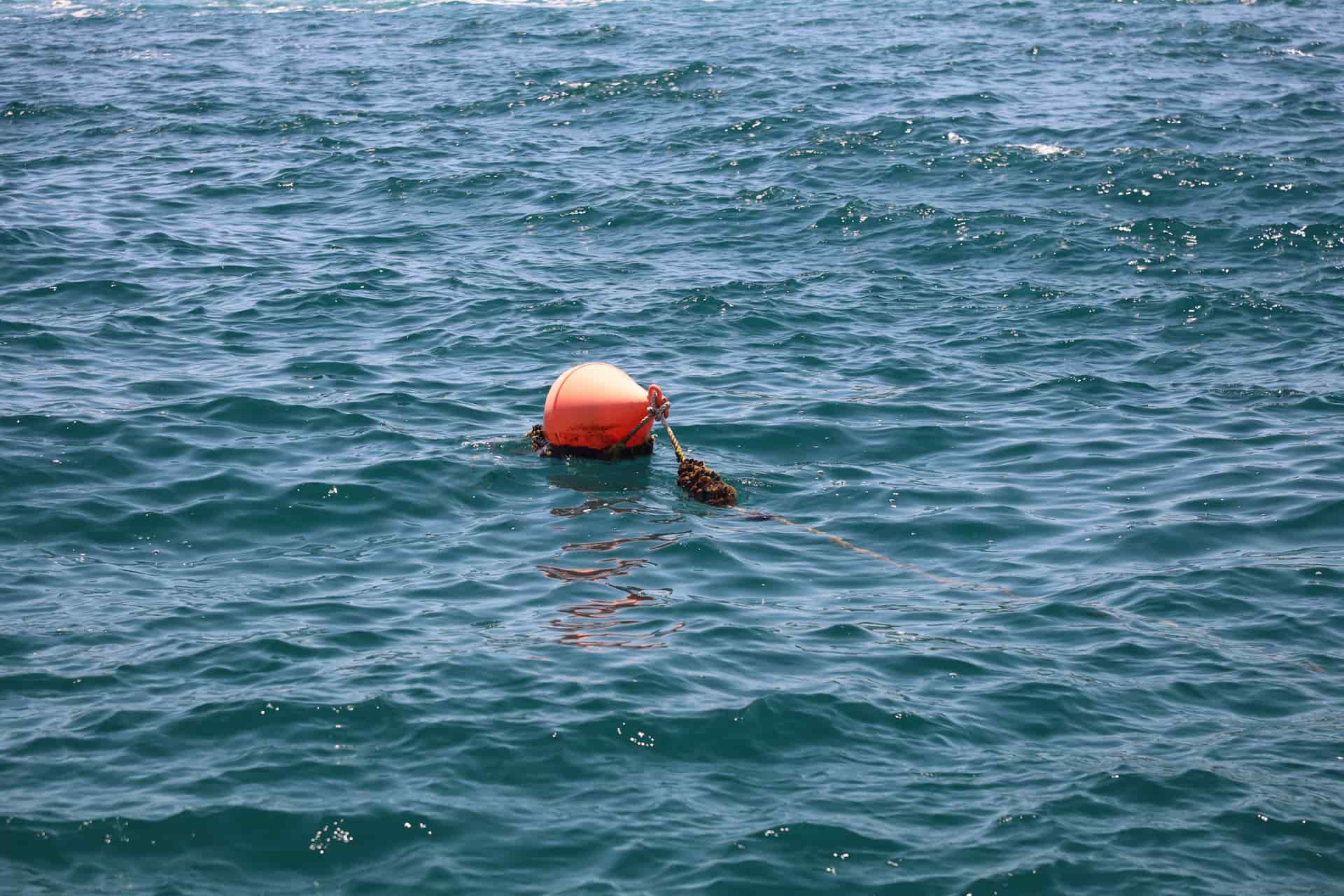
No, it does not float. What to fit before your first trip, and the model-number trap to avoid.
Soak, do not rinse. The routine that stops salt from quietly ending a camera and its mounts.
05
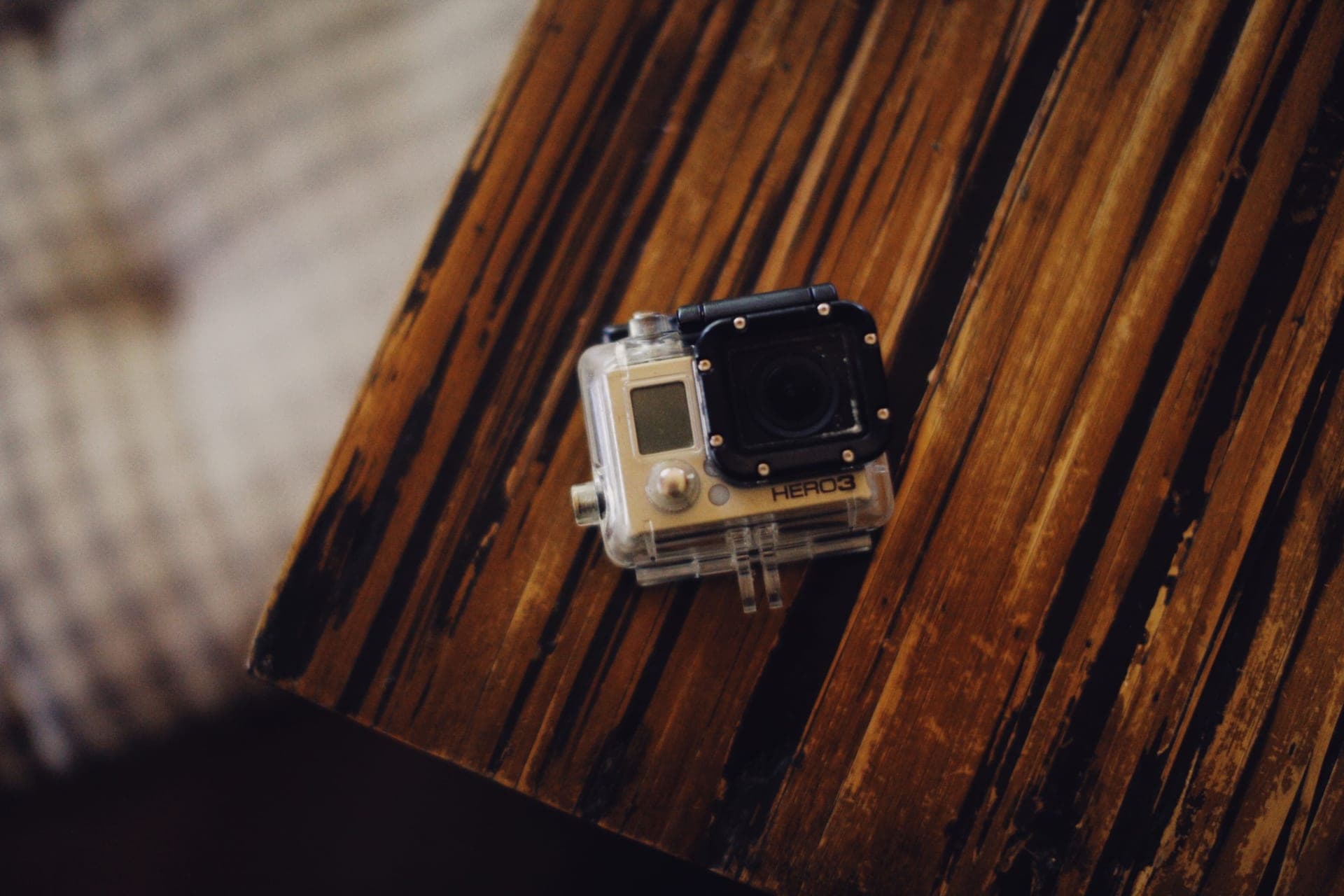
The part that decides whether the footage is watchable, and the part nobody researches until after the camera arrives.
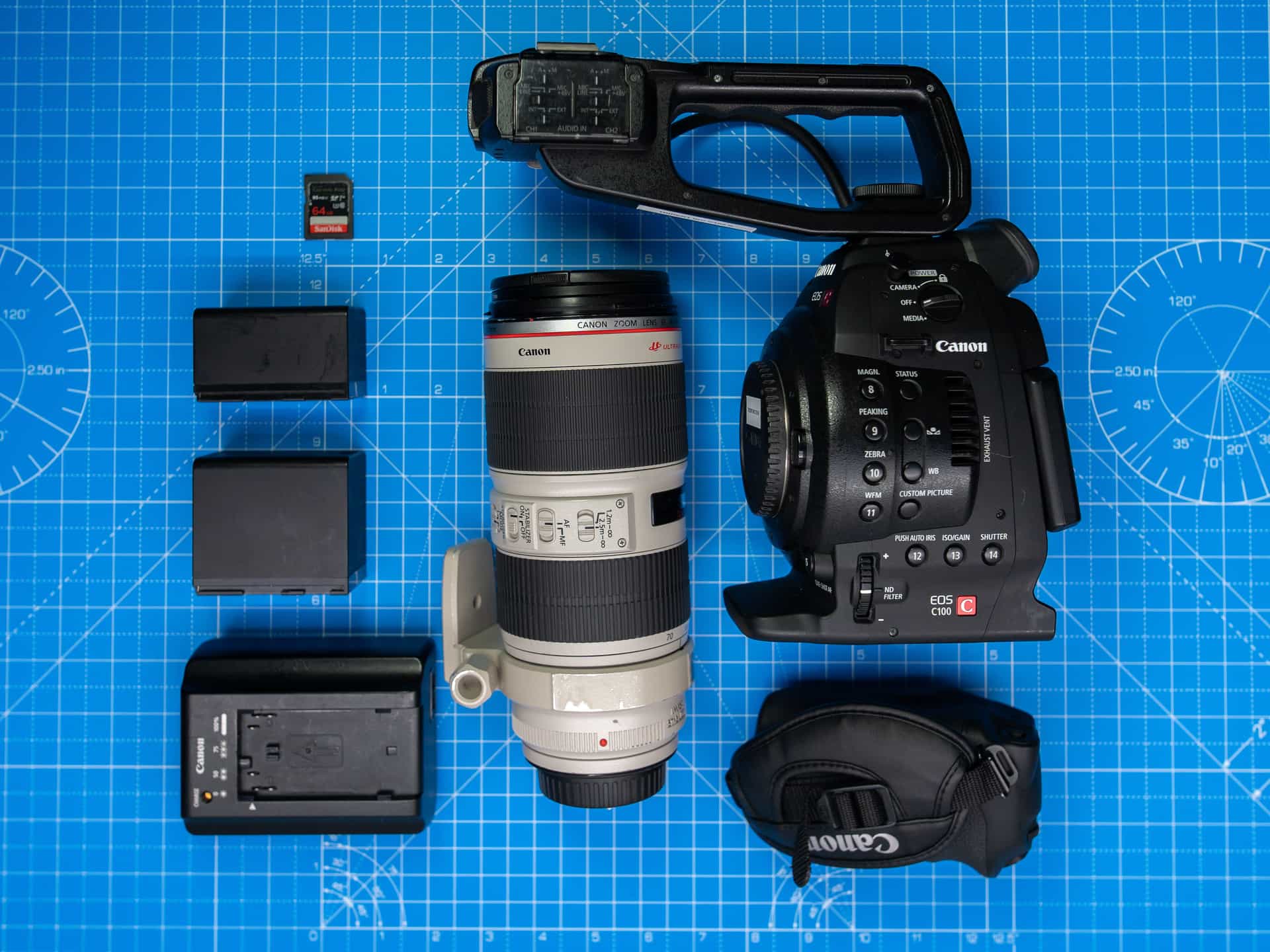
Five purchases decide whether a camera works all day. Most of them cost less than a tank of gas.
We do not lab-test cameras and we own no test units. Here is exactly what we do instead, and what we refuse to do.