The best waterproof action cameras
Ranked by the depth the camera itself is rated to — not the depth of a case you have to buy separately.
Part of On the Water.
We earn a commission if you buy through our links, at no extra cost to you. It never changes what we recommend or the order we rank it in — how this works.
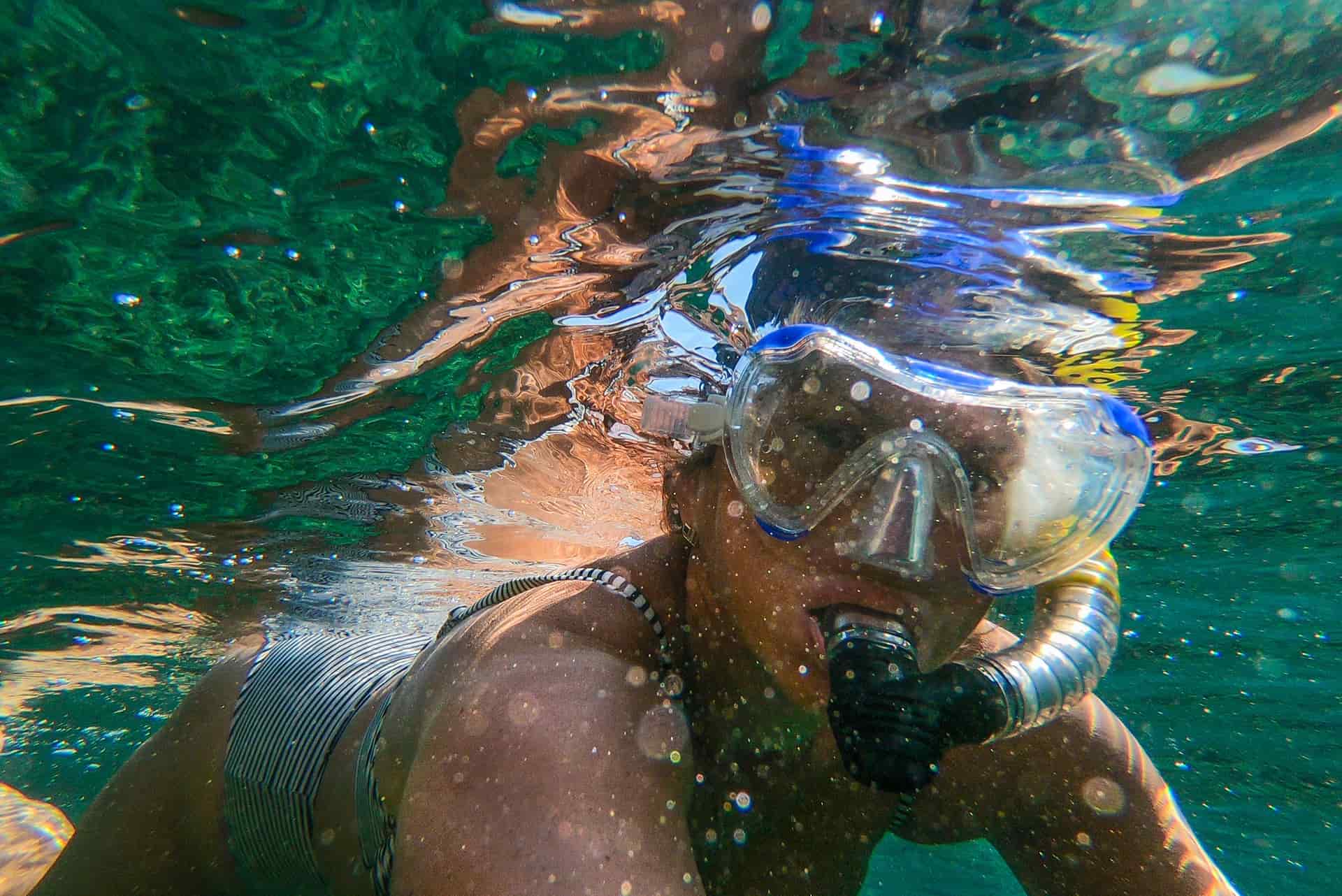
01
Quick picks
| # | Product | Best for | Score | Price |
|---|---|---|---|---|
| 01 | DJI Osmo Action 5 Pro Goes to 20m with no housing at all and publishes a 240-minute runtime — the two numbers that decide a long, wet, cold day. | Long paddles, cold water, and anyone tired of buying a housing to get past 10m | 9.1/ 10 | |
| 02 |  Insta360 X5 15m rated, replaceable lenses, and the one camera that means you never have to aim while you are paddling. | Anyone filming themselves on the water who cannot stop to frame a shot | 9.1/ 10 | |
| 03 |  DJI Osmo Action 4 The previous DJI flagship, still 18m bare and still on shelves — the most water rating per dollar in this list. | Buyers who want deep-water capability without paying flagship money | 8.5/ 10 | |
| 04 | 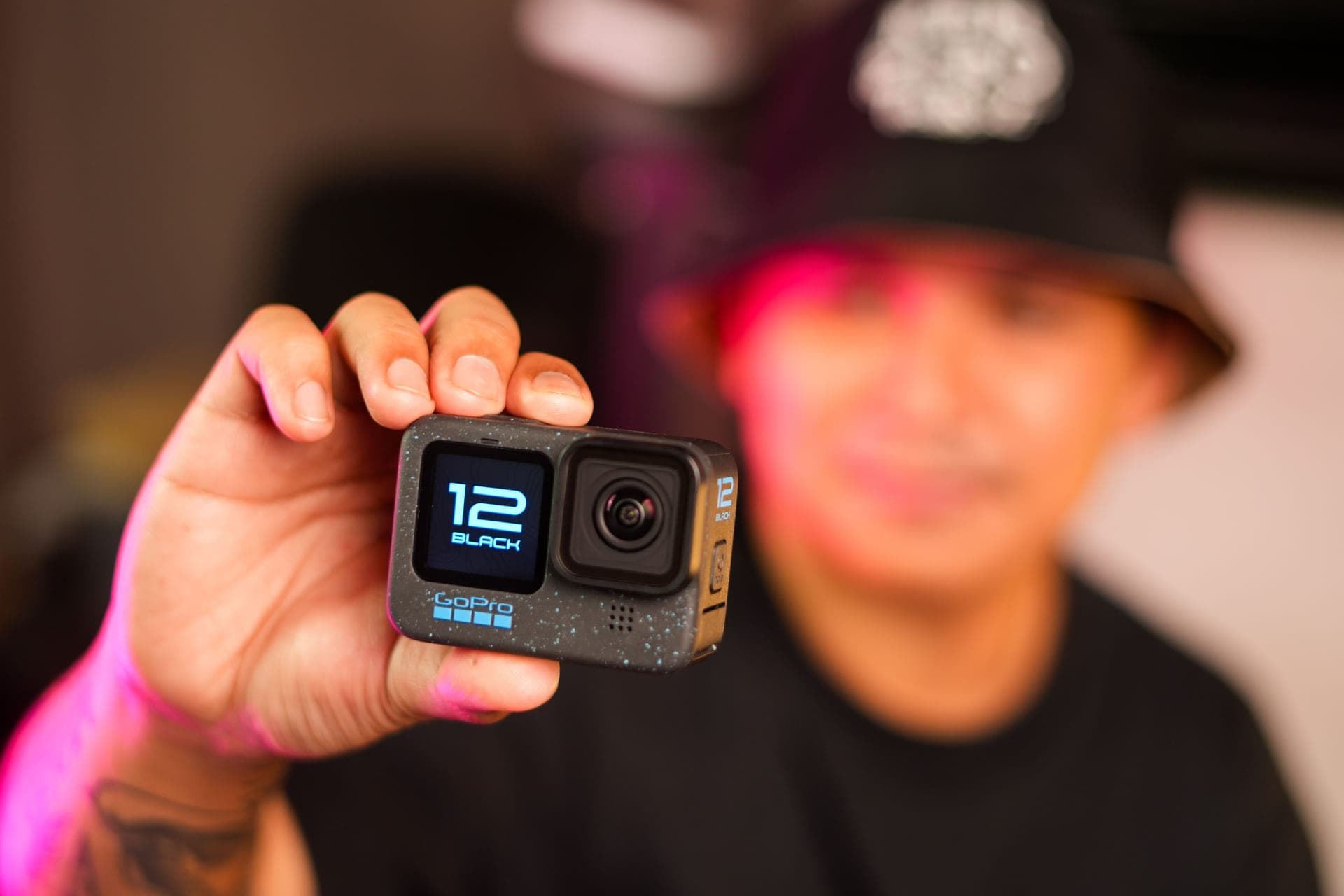 Insta360 Ace Pro 2 The best-looking image of the three flagships, with a flip screen that finally makes a chest-mounted shot something you can frame. | Family trips where you want the footage to look like more than dashcam clips | 8.6/ 10 | |
| 05 | 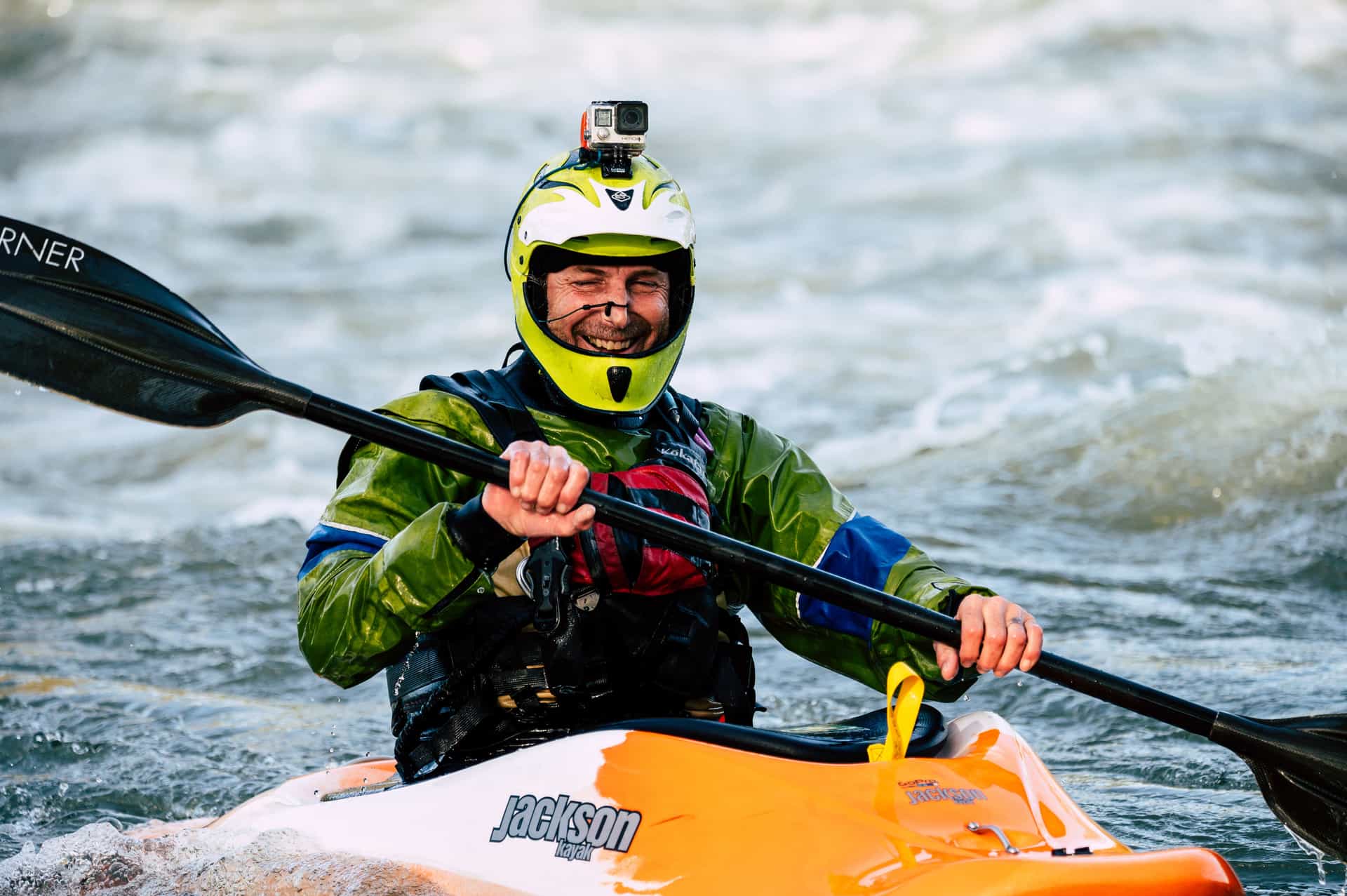 GoPro HERO13 Black The safest default for lake and trail: 33ft without a housing, the steadiest footage in the category, and a mount for literally everything. | Anyone who wants one camera to handle the kayak, the bike and the family trip | 8.8/ 10 | |
| 06 |  AKASO Brave 8 Lite Two batteries and a bag of mounts in the box at a fraction of flagship money — buy it knowing the stabilization gives up first. | A pool, a calm lake, a first camera you are not precious about | 7.4/ 10 |
Scores are our editorial judgment from published specs and named independent reviews, weighted for lake and trail use — not measurements. We have not tested these units and do not own them.
02
How we picked
We do not lab-test, bench-test or dive-test cameras, and we do not own test units. What we do instead is read the manufacturer's published specifications, read the independent reviews that genuinely do test, read owner reports for the failure modes specs never mention — fogging, salt corrosion, cold battery collapse, mount slippage — and then weight all of it for action cameras used on lake and trail. Where a number is not published, the page says “not published” rather than filling the cell.
The full method, including what we refuse to do, is on the editorial policy page.
- 30%Water survival
- Rated depth without a case, door design, and what the manufacturer actually publishes.
- 25%Stabilization in chop
- A kayak deck and a rooty trail shake in ways a handheld walk test never shows.
- 20%Battery in the cold
- Published runtime, spare-battery cost, and whether it charges while recording.
- 15%Mount ecosystem
- Finger mount, threaded, magnetic — and how much of it you have to re-buy.
- 10%Footage you will keep
- Lens replaceability, low-light behavior, and how much cutting the footage needs.
Why this page is ranked by bare depth
Almost every “waterproof action camera” list conflates two very different things: how deep the camera is rated on its own, and how deep it is rated inside a housing you have to buy separately. Those are different products with different failure modes.
A bare camera fails only if its own door seal fails. A housed camera fails if a grain of sand, a hair or a stretched O-ring lands in the wrong place — and it also fogs, because you have just sealed warm humid air inside a box that is about to get cold. Every extra meter of housing depth costs you audio quality, adds a consumable (anti-fog inserts) and introduces a failure mode you did not previously have.
So the ranking here follows the bare rating, because that number tells you whether you need any of that at all.
| Camera | Bare rating | With the maker's case | Rating type |
|---|---|---|---|
| DJI Osmo Action 5 Pro | 20m | 60m | Depth rated |
| DJI Osmo Action 4 | 18m | 60m | Depth rated |
| Insta360 X5 | 15m (49ft) | Not published | IP68 |
| Insta360 Ace Pro 2 | 12m (39ft) | 60m | Depth rated |
| GoPro HERO13 Black | 10m (33ft) | 60m | Depth rated |
| AKASO Brave 8 Lite | 10m (33ft) | 60m | IPX8 |
| GoPro HERO (2024) | 5m (16ft) | Not published | Depth rated |
What the rating types actually mean
You will see two kinds of claim on this page, and they are not interchangeable.
A depth rating — “waterproof to 20m” — is a manufacturer statement about submersion to a stated depth. It is the more useful of the two for this use case.
An IP rating — IP68, IPX8 — is a standardized ingress-protection classification. The “8” means continuous submersion, but the standard leaves the depth and duration to the manufacturer to declare, which is why Insta360 states IP68 and 15m rather than IP68 alone. When a product claims an IP rating with no depth attached, that is the moment to go and find the depth.
What actually kills a waterproof camera
In practice, very few cameras die because someone exceeded the depth rating. They die in four other ways, and all four are preventable.
The door was not fully closed. Battery doors on every camera here have a two-stage latch, and a partially closed door looks closed. Check it every time, and check it after anyone else handles the camera.
Grit in the seal. Sand on a door gasket is the single most common cause of a flooded action camera. Rinse and dry before opening, not after.
Salt, left to dry. Salt crystallizes in seals, threads and buttons and then grinds them. The fix takes five minutes and is in the salt water care guide.
It sank. Perfectly sealed, perfectly lost. Every camera on this page sinks. A float is the cheapest insurance in this entire category — floats and tethers.
03
Every pick, in detail
- 20m bare / 60m with case
- 1950mAh · 240 min at 1080p24
- -20° to 45°C
- 9.5
- 9.0
- 9.5
- 8.0
- 9.0
DJI Osmo Action 5 Pro
DJI
Goes to 20m with no housing at all and publishes a 240-minute runtime — the two numbers that decide a long, wet, cold day.
Long paddles, cold water, and anyone tired of buying a housing to get past 10m
20m without the Waterproof Case is the deepest bare rating of any flat action camera currently sold, and it is the reason this page has an obvious winner. It doubles the HERO13 Black's figure, which means a whole category of accessory — the dive housing and the fog inserts that go with it — simply never enters the conversation for most people.
- 20m without the Waterproof Case — double the bare-camera depth of the HERO13 Black
- DJI publishes 240 minutes of recording at 1080p/24 with screens off, the longest figure in this set
- Rated to -20°C, which matters more on an October lake than any resolution number
- 1/1.3-inch sensor holds detail when the light goes flat
- Mount ecosystem is smaller than GoPro's, and magnetic quick-release adapters are their own purchase
- 146g — the heaviest of the flagship three
- Fewer third-party mounts and filters exist for it
Specs from DJI Osmo Action 5 Pro published specifications.
- IP68 to 49ft (15m)
- 2400mAh · ~88 min at 8K30
- User-replaceable
- 9.5
- 9.5
- 9.0
- 8.5
- 7.5
Insta360 X5
Insta360
15m rated, replaceable lenses, and the one camera that means you never have to aim while you are paddling.
Anyone filming themselves on the water who cannot stop to frame a shot
15m IP68 is deeper than every flat camera here except the two DJIs, which is remarkable for a 360 camera with exposed lenses on both sides. The user-replaceable lens system is the other half of the story: a scratched lens on a 360 camera used to be a service job, and now it is a part you swap.
- 15m IP68 is the deepest bare rating of any camera on this site
- User-replaceable lenses — the single biggest fix for the 360 format's worst failure mode
- 185 minutes in Endurance mode at 5.7K24, which is a whole day of clips
- Invisible-selfie-stick reframing means you point the camera at nothing and pick the angle later
- Exposed lenses still scratch; lens guards are a purchase, not an option
- Every clip needs a reframing pass before anyone else can watch it
- 8K30 files are large and the edit is slower than flat footage
Specs from CineD, Insta360 X5 announcement with published specifications.
- 18m bare / 60m with case
- 1770mAh · 160 min at 1080p24
- -20° to 45°C
- 9.0
- 8.5
- 8.5
- 8.0
- 8.0
DJI Osmo Action 4
DJI
The previous DJI flagship, still 18m bare and still on shelves — the most water rating per dollar in this list.
Buyers who want deep-water capability without paying flagship money
18m bare, on a camera that has been superseded and therefore often discounted. If depth per dollar is the question you are asking, this is the answer to it.
- 18m without a case still beats every current GoPro by a wide margin
- Same 1/1.3-inch sensor size as the Action 5 Pro
- Rated to -20°C like its replacement
- Usually the cheapest way into serious bare-camera depth
- 160 minutes published against the Action 5 Pro's 240
- Superseded, so accessories and support will taper off first
- No front OLED — the Action 5 Pro's front screen is genuinely more useful for framing
Specs from DJI Osmo Action 4 published specifications.
- 39ft (12m) / 60m with dive case
- 1800mAh · 180 min published
- 1/1.3" with Leica lens
- 8.5
- 8.5
- 9.0
- 7.5
- 9.5
Insta360 Ace Pro 2
Insta360
The best-looking image of the three flagships, with a flip screen that finally makes a chest-mounted shot something you can frame.
Family trips where you want the footage to look like more than dashcam clips
12m (39ft) clears anything you will do on or near the surface, and the 1/1.3-inch sensor means it is also the best-looking footage in the group. It loses to the DJIs only on the one number this page is ranked by.
- 8K30 with a 1/1.3-inch sensor — the most detail in the group
- 12m bare, which clears every snorkel depth without a housing
- 180-minute published battery life and 80% charge in 18 minutes
- Flip screen means you can frame a shot you are standing in front of
- 12m is still short of the DJI's 20m
- The dive case is a separate purchase for anything past 12m
- Fewer mount options than GoPro, and an adapter tax if you switch
Specs from Insta360 Ace Pro 2 published specifications.
- 33ft (10m), no housing
- 1900mAh Enduro
- 1.5h at 5.3K30 / 2.5h at 1080p30
- 8.0
- 9.5
- 8.5
- 9.5
- 9.0
GoPro HERO13 Black
GoPro
The safest default for lake and trail: 33ft without a housing, the steadiest footage in the category, and a mount for literally everything.
Anyone who wants one camera to handle the kayak, the bike and the family trip
33ft (10m) is the shallowest of the flagship group, which is the honest reason it sits at five on a page ranked by depth. It would rank far higher on almost any other criterion — the stabilization and the mount ecosystem are both the best here — and the kayaking roundup weights it accordingly.
- HyperSmooth 6.0 with AutoBoost is the steadiest stabilization we can find published figures for
- Built-in mounting fingers plus 1/4-20 threads — it fits the GoPro ecosystem and a normal tripod
- Enduro battery is rated to keep full camera functionality down to 14°F (-10°C)
- Replaceable lens cover, so a scratched lens is a $20 problem and not a $400 one
- 33ft is shallower than the DJI and it is the shallowest of the three flagships
- Anything past 33ft needs the separate Protective Housing
- HB-Series lenses and ND filters are all extra purchases
Specs from GoPro HERO13 Black published specifications.
- IPX8 10m / 60m with case
- 2 × 1550mAh included
- 140 min at 4K / 150 min at 1080p
- 7.5
- 6.5
- 8.0
- 8.5
- 6.5
AKASO Brave 8 Lite
AKASO
Two batteries and a bag of mounts in the box at a fraction of flagship money — buy it knowing the stabilization gives up first.
A pool, a calm lake, a first camera you are not precious about
IPX8 to 10m matches GoPro's bare rating on paper at a fraction of the price, and AKASO publishes a 60m figure with its optional housing. The limit is not the sealing, it is what happens to the stabilization once the water is not flat.
- IPX8 to 10m bare, which matches the HERO13 Black's rating on paper
- Ships with two batteries, a charger and seven mounts — nothing else to buy on day one
- 4K60 and dual screens at a price well under the flagships
- Uses GoPro-standard two-prong mounting, so the whole accessory world fits
- SuperSmooth stabilization is a step behind HyperSmooth and RockSteady in chop
- The 60m rating belongs to the separate housing, not the camera
- Low light is where the price shows most
Specs from AKASO Brave 8 Lite published specifications.
04
What decides this category
Match the rating to what you actually do
Surface paddling, boating and fishing: anything 10m or better is comfortably over-specified, and you should be choosing on stabilization and battery instead. Snorkeling: 10m is fine, 12-15m is more relaxing, and the thing that will actually improve your footage is a red filter, not another five meters of rating. Diving: you are in housing territory whatever you own — see cases and dive housings.
Watch for the rating that belongs to the case
“60M WATERPROOF” in a product title almost always describes the optional housing. The AKASO listing is a good example of doing it properly — 10m bare, 60m with the case, both stated. When only the big number appears, assume it is the case until you find the other one.
Exposed lenses change the maintenance, not the rating
The Insta360 X5 is rated deeper than most flat cameras, but it has two protruding lenses that live outside any protective plane. The rating is real; the scratch risk is also real. Lens guards are not optional on a 360 camera used around rock, sand or a boat deck, and the X5's replaceable lens system is the reason it outranks the X4 here.
What we would skip
A dive housing you do not need. On the surface it muffles audio, adds fog risk and makes the buttons harder to work with cold hands. Buy it when you are genuinely going below your camera's bare rating, and not before.
05
Questions people actually ask
01What does IPX8 actually mean on an action camera?
It means continuous submersion — but the standard leaves the depth and duration for the manufacturer to declare, so IPX8 on its own tells you very little. Always look for the depth figure alongside it. AKASO, for example, states IPX8 and 10m/33ft, which is the useful number.
02Is a camera rated to 10m safe for snorkeling?
Yes, comfortably. Most snorkeling happens in the top five meters, and free-diving below ten is a deliberate act rather than something you drift into. The thing that will actually improve snorkeling footage is a red filter, because color loss starts far shallower than any depth limit.
03Can I take a waterproof action camera scuba diving without a housing?
No. Recreational diving goes well past every bare rating on this page, and pressure at depth is unforgiving. Use the manufacturer's dive housing — GoPro's Protective Housing is rated to 196ft (60m), as are the DJI and Insta360 dive cases for their own cameras.
04Does the waterproof rating cover salt water?
The seal does, but salt attacks the camera over time in ways the rating does not describe — crystallized salt in a door gasket, a mount thread or a button is what ends cameras early. Soak it in fresh water while the salt is still wet. The salt water guide has the routine.
05Why do waterproof cameras fog up?
Because warm humid air got sealed inside and then cooled. It is most common in housings, and it is not a defect — it is condensation. Anti-fog inserts absorb the moisture before it condenses, and they are cheap: anti-fog inserts that work.
06
Read this next
How deep can an action camera go?
The full model-by-model depth table, with and without housings.
Best action cameras for kayaking
Same cameras, ranked for spray, vibration and cold instead of depth.
Cases and dive housings
What you need once you go past the bare rating, and what it costs you.
Salt water care and rinsing
The five-minute routine that decides whether the camera lasts two seasons or eight.
Filters and dome ports
Why underwater footage looks blue, and the depth-specific fix.
07
Sources
- DJI Osmo Action 5 Pro specifications
- DJI Osmo Action 4 specifications
- GoPro Protective Housing, waterproof to 196ft (60m)
- CineD, Insta360 X5 announcement with published specifications
- Insta360 Ace Pro 2 published specifications
- GoPro HERO13 Black published specifications
- AKASO Brave 8 Lite published specifications
Specifications are quoted from the manufacturer pages above as they read on the dates shown. Where a figure is not published, this site says so rather than estimating one. We have not tested these products.