The first five accessories to buy
Five accessories that get used every trip, ranked — and the ones that sit in a drawer.
Five purchases decide whether a camera works all day. Most of them cost less than a tank of gas.
We earn a commission if you buy through our links, at no extra cost to you. It never changes what we recommend or the order we rank it in — how this works.
01
Accessory lists for action cameras are mostly padding — twenty mounts nobody fits twice, sold in one box. The genuinely useful list is short, and every item on it exists because of a specific way a day on the water or the trail goes wrong.
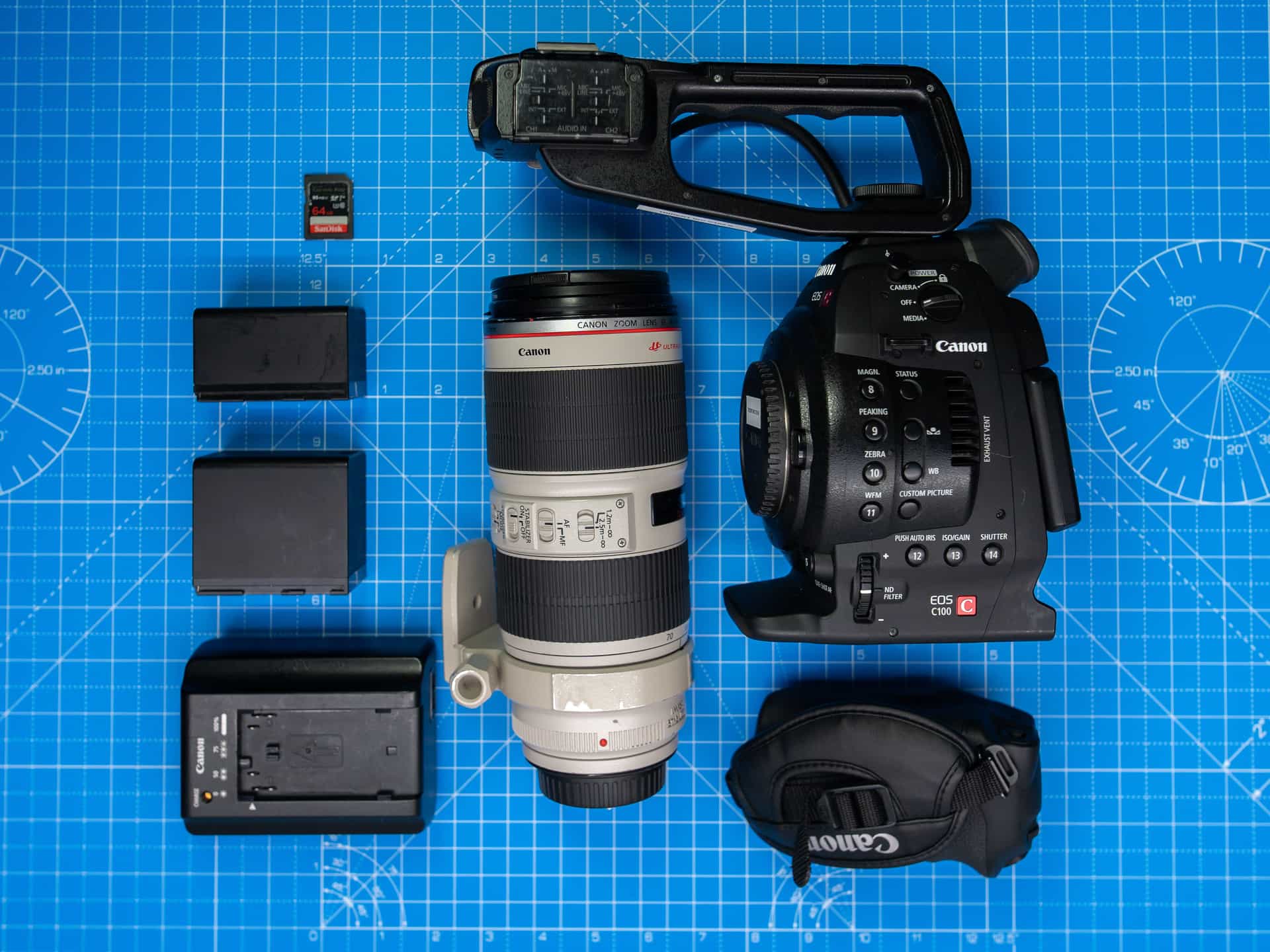
A card that can keep up. This is the one people get wrong most often, and it produces the worst failure: recording that stops mid-clip, or footage with dropped frames you only discover at home. High-bitrate video needs sustained write speed, which is what the V30 rating guarantees — a 30MB/s floor, not a peak. Every card in the card roundup is V30 or better, and the speed class comparison explains why the big number on the front of the packet is the wrong number to read.
A spare battery, or a power bank if your camera has no removable one. Manufacturer runtime figures are measured at room temperature, screens off, at 1080p. Your day is colder, brighter and at a higher bitrate than that. The power roundup covers both routes, and charging while recording covers the trick that saves multi-day trips.
Anti-fog inserts, if you use a housing. Fogging is not a defect and no setting fixes it: sealed warm air plus cold water equals condensation on the inside of the glass. Inserts absorb the moisture before it condenses. A 15-pack is reusable up to four times each and costs almost nothing — the anti-fog guide has the full procedure, including the oven step people skip.
Four groups, in rough order of how much they change your footage.
Storage and power decide whether you get the footage at all. These are non-optional.
Water protection — housings, floats, anti-fog — decides whether the camera survives. Cases and dive housings is where the 60m ratings live, and it is worth reading before you assume your camera needs one.
Optics — filters and ports — decide whether underwater footage looks like anything. Water strips red first, and a red filter at the right depth is the only fix that works in camera rather than in the edit. The filter guide covers which filter at which depth, which is a question with a published answer.
Audio is the one most people skip, correctly. On open water, wind is the whole problem and an external mic only partly solves it — read the microphone guide before spending, because the honest answer for a lot of paddling footage is to use music instead.
With cards, capacity and sustained write speed. With batteries, whether the manufacturer publishes a cold-weather figure — GoPro's Enduro is rated for full functionality down to 14°F, and that number is most of the price difference against an unbranded cell. With housings, the depth rating and whether the front element is glass or plastic.
Filters are the one category where the expensive option is genuinely easier to use: PolarPro publishes a depth range per filter, which means you can pick correctly instead of guessing. Cheaper sets often do not, and a filter used at the wrong depth overcorrects into something worse than no filter at all.
Buying the biggest, cheapest card. A 64GB card at the bottom of a product line often writes at half the speed of the 256GB version of the same card — same name, same packaging, different part. Check the write speed for the exact capacity you are buying, and check your camera manual's tested-card list, which outranks any spec sheet.
The second mistake is buying a twenty-piece accessory kit as a first purchase. Almost all of it will sit in a drawer. The first five accessories is a deliberately short list of the things that actually come out of the bag every trip.
02
Five accessories that get used every trip, ranked — and the ones that sit in a drawer.

Three V30 cards, and why the headline speed on the packet is not the number that matters.
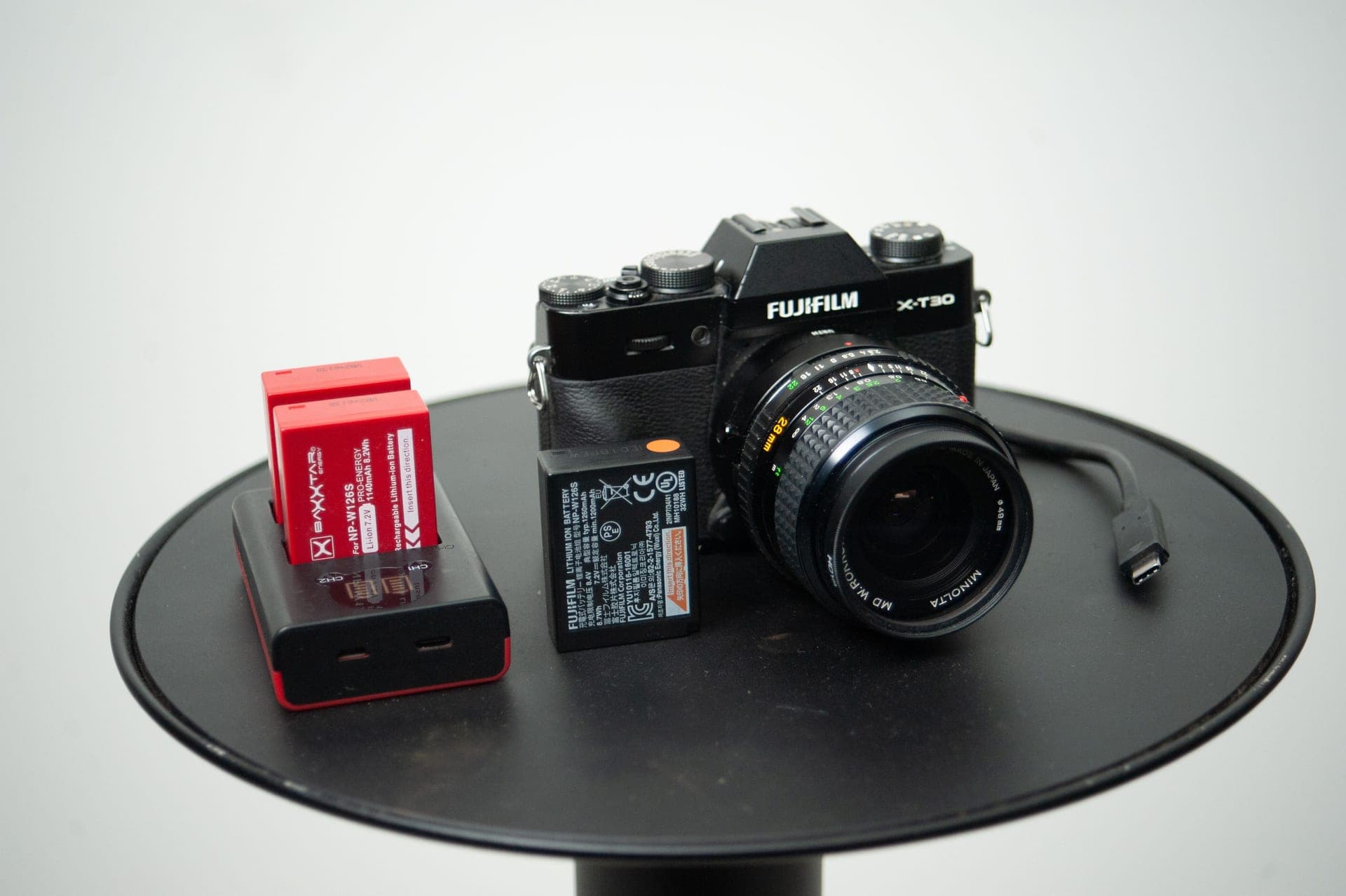
What the published runtimes actually mean, and what to carry so the camera survives the day.

What an external mic genuinely fixes, what it does not, and the waterproofing you give up.
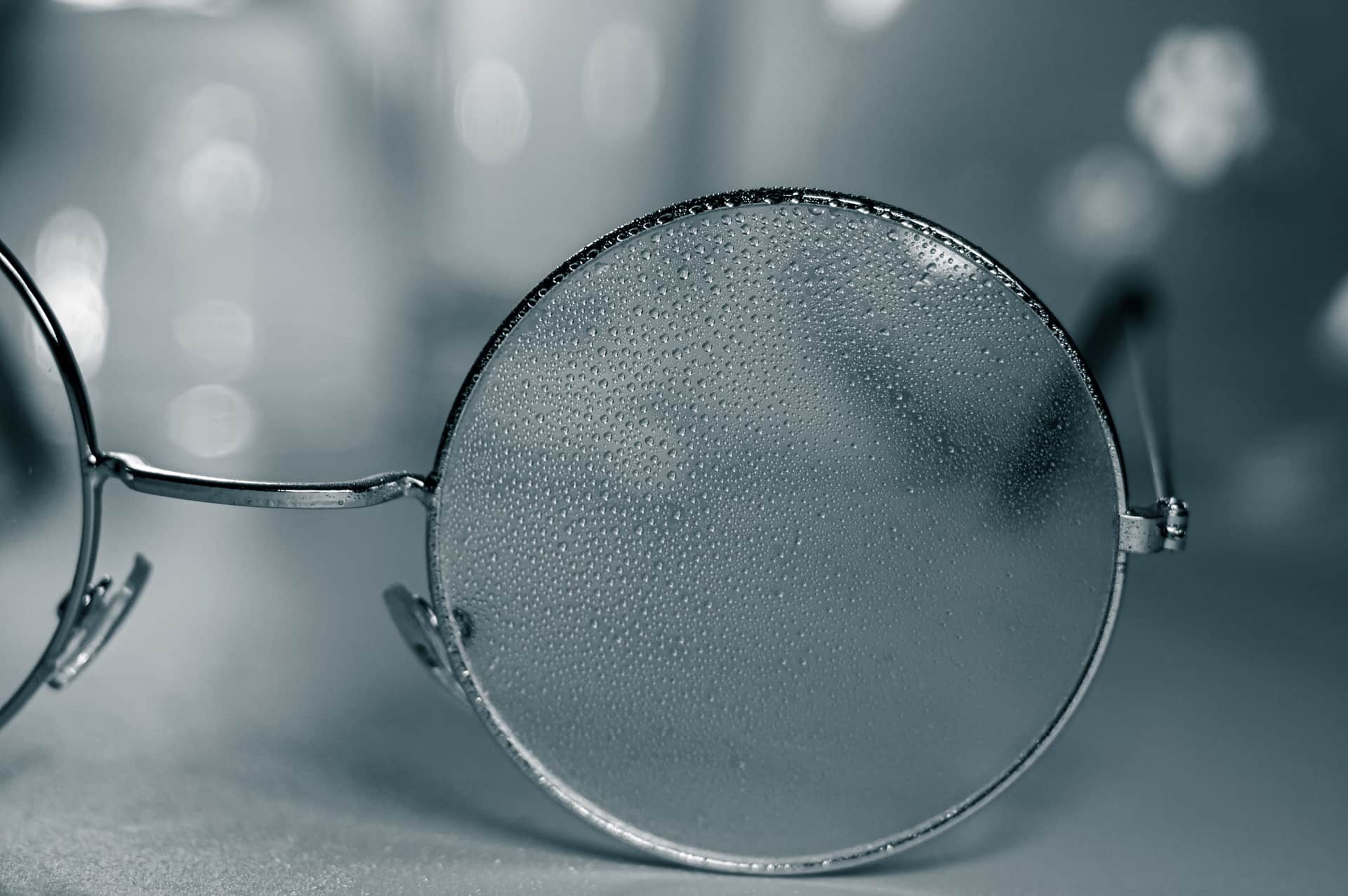
Why housings fog, what inserts do about it, and the oven step people skip.
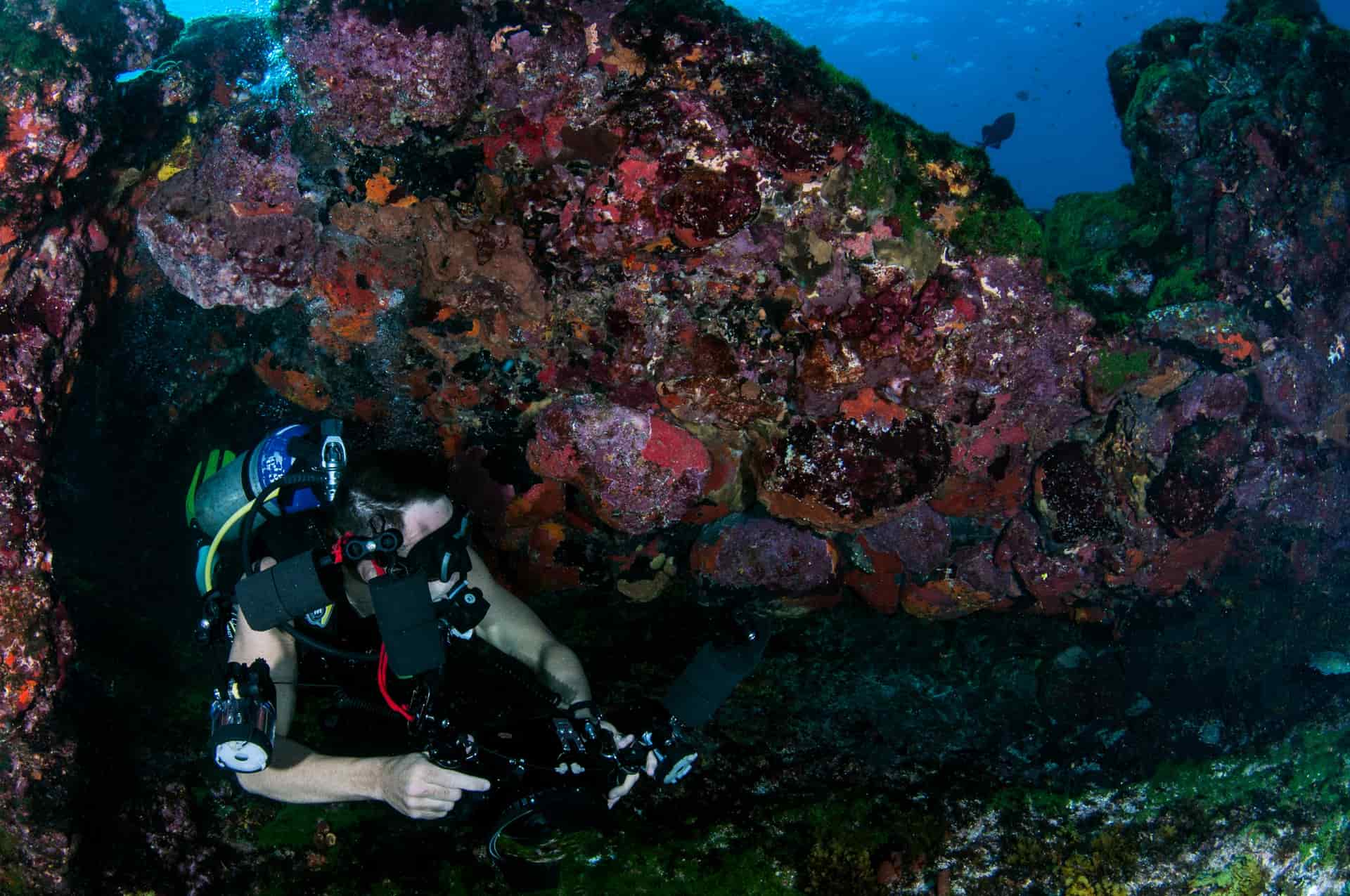
Which filter at which depth, with published ranges — and why grading afterwards does not work.
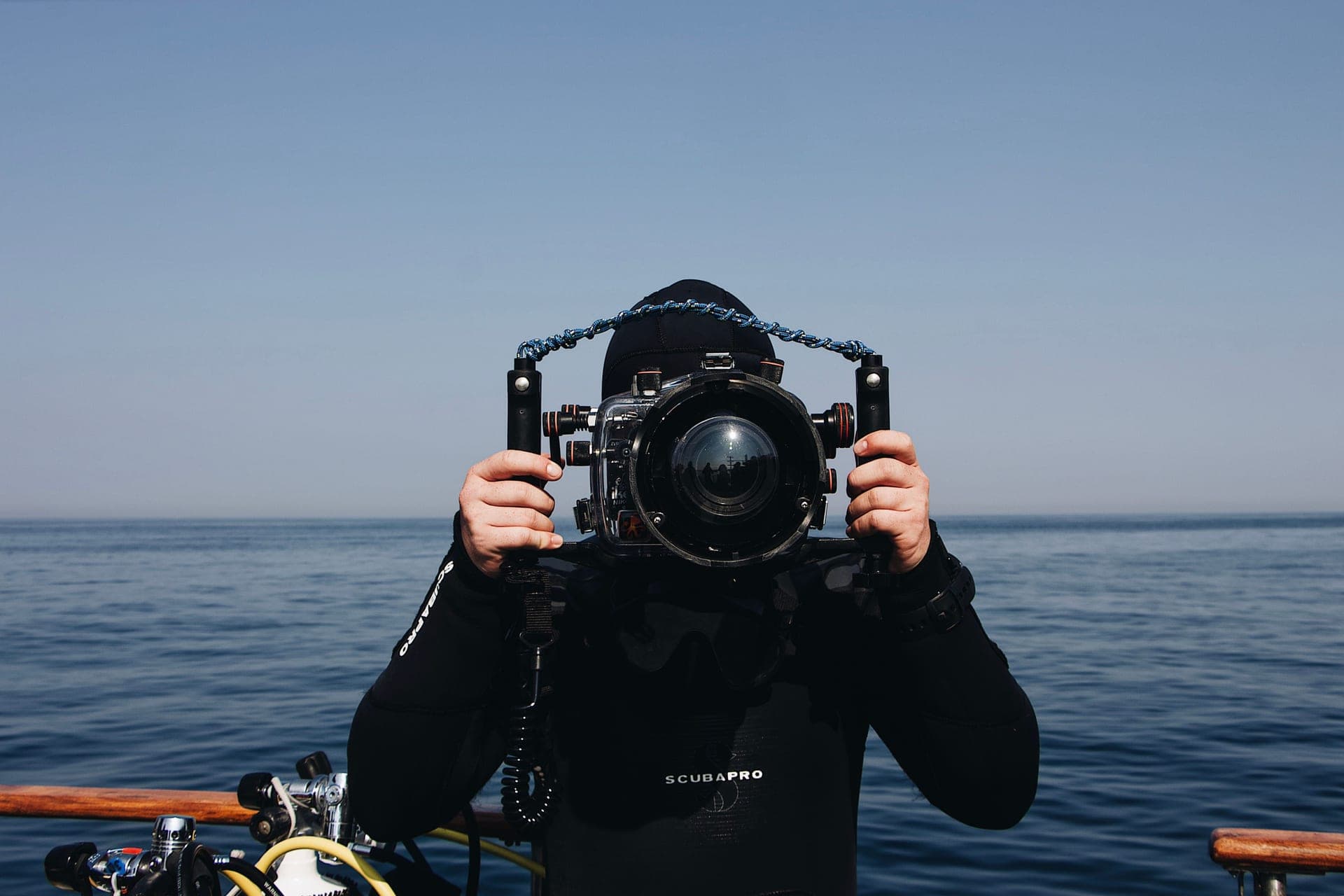
When a housing is genuinely necessary, what it costs you, and the O-ring habit that prevents floods.
03
04
05
Depth ratings you can check, the fog problem nobody warns you about, and why the float matters more than the camera.
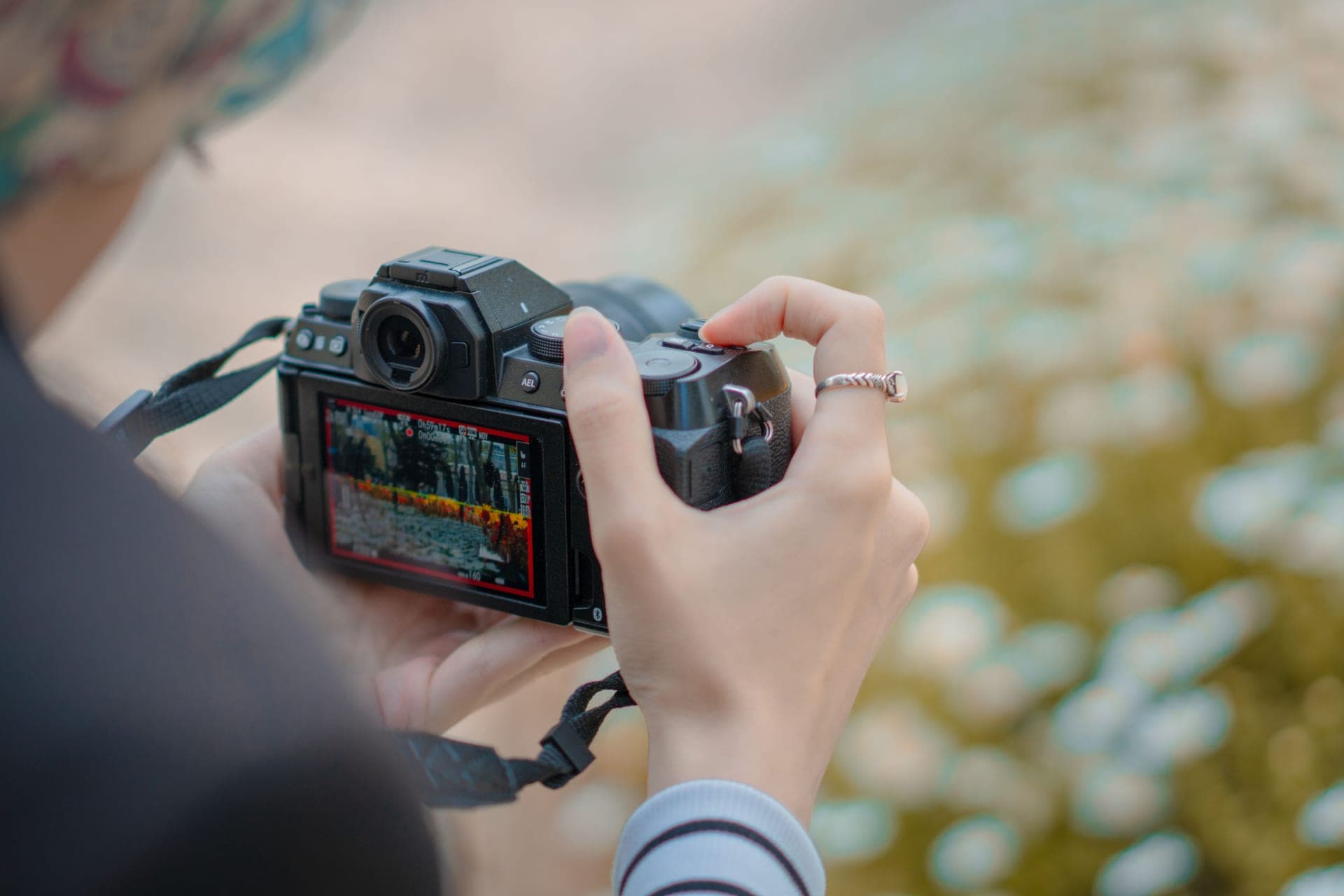
The settings that matter on water, the shots that work when you cannot stop, and the editing habit that fixes most trip videos.
We do not lab-test cameras and we own no test units. Here is exactly what we do instead, and what we refuse to do.