Do you need a protective housing?
A housing used to be mandatory. Now it is a specific tool for three specific situations, and fitting one the rest of the time actively costs you something.
Part of Gear.
We earn a commission if you buy through our links, at no extra cost to you. It never changes what we recommend or the order we rank it in — how this works.
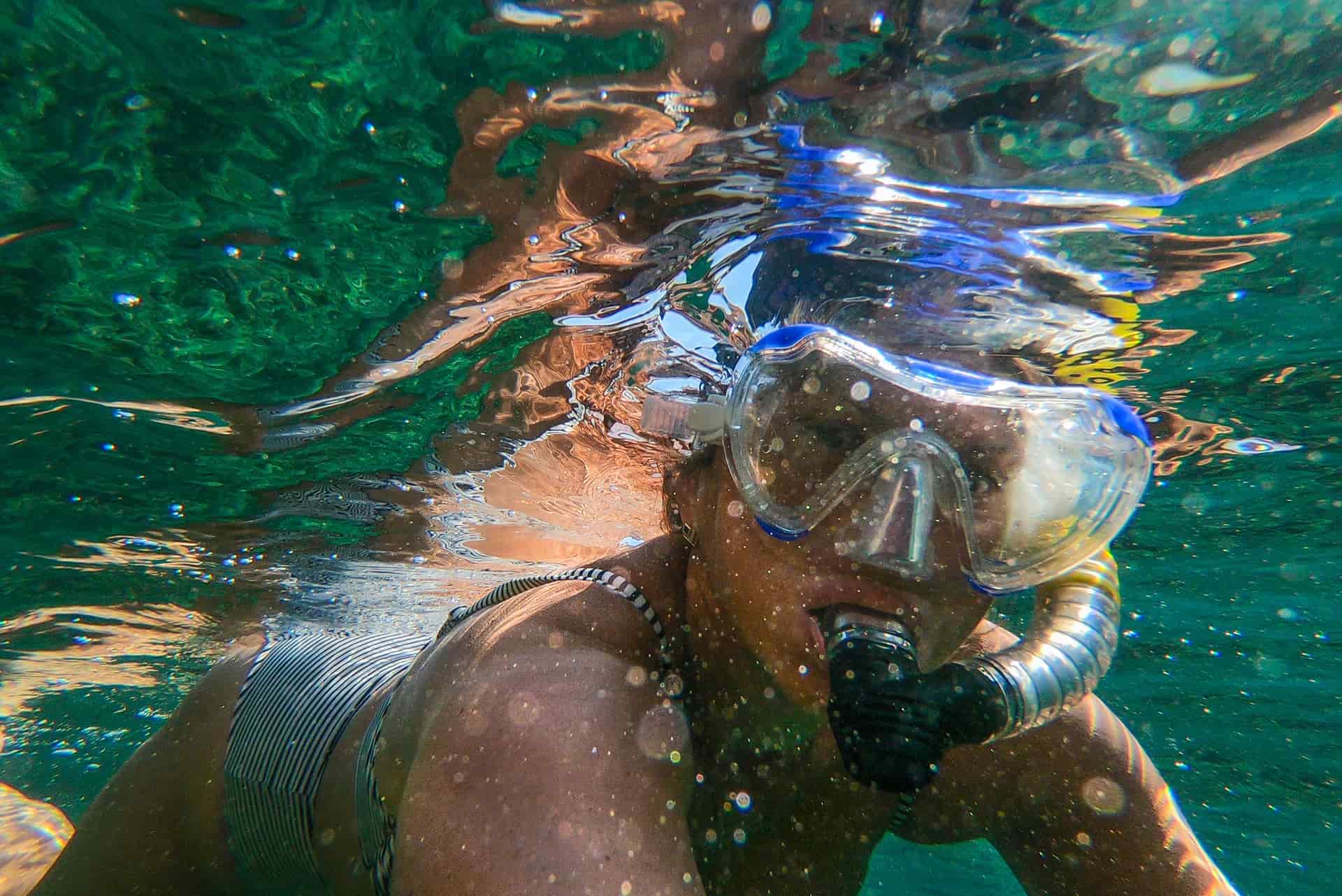
Most people do not need a protective housing. You need one in three cases: diving below your camera's bare depth rating, impact protection where the camera will hit rock or ice, and cold or chemically harsh water you want a second barrier against. Every current flagship action camera is waterproof with nothing fitted — 33ft (10m) on the GoPro HERO13 Black, 20m on the DJI Osmo Action 5 Pro, 39ft (12m) on the Insta360 Ace Pro 2, 15m on the Insta360 X5 — which covers snorkeling, swimming, kayaking, rain, surf and a dropped camera in a lake. A housing adds depth and impact resistance, and in exchange it costs you audio, touchscreen control, an extra surface to scratch and a real fogging risk.
Start with your camera's own number
The whole decision comes down to one comparison: how deep is your camera rated bare, and how deep are you actually going. The bare ratings across the cameras we cover are below, from each manufacturer's own page.
| Camera | Rated bare | With the maker's case | Housing needed for snorkeling? |
|---|---|---|---|
| DJI Osmo Action 5 Pro | 20m | 60m | No |
| DJI Osmo Action 4 | 18m | 60m | No |
| Insta360 X5 | IP68 to 49ft (15m) | — | No |
| Insta360 Ace Pro 2 | 39ft (12m) | 60m (197ft) | No |
| GoPro HERO13 Black | 33ft (10m) | 196ft (60m) | No |
| Insta360 X4 | 33ft (10m) | 50m dive case | No |
| AKASO Brave 8 Lite | IPX8 10m | 60m with case | No |
| Insta360 GO Ultra | IPX8 to 33ft (10m), camera only | — | No — but read the Action Pod rating |
| GoPro HERO (2024) | 16ft (5m) | — | Borderline — this is the one to be careful with |
Snorkeling happens in the top five meters almost all of the time. Swimming is shallower. A capsized kayak puts a camera a meter or two under for a few seconds. Every camera in that table clears all of it with nothing fitted, and seven of the nine clear it with a wide margin.
The three cases where you genuinely need one
1. Scuba diving, or any dive past your bare rating. This is the real one. A recreational dive to 60ft is double the HERO13 Black's bare rating, and depth ratings are not advisory — a seal designed for 10m will leak at 20m. GoPro's own Protective Housing is rated 196ft (60m) with a flat glass front and fits the HERO13, 12, 11 and 10 Black. If a tank is involved, so is a housing. The ranked options are in cases and dive housings.
2. Impact, not water. This is the case people forget. A housing is a hard shell, and on a whitewater helmet, a rock-strewn mountain bike descent or a ski day in the trees, the thing most likely to end the camera is a collision rather than a leak. A $60 shell in front of a $400 camera is sensible insurance in those three places and nowhere else.
3. Harsh or very cold water. Heavily chlorinated pools, silty rivers and sub-freezing water are all harder on seals and buttons than a lake in July. A housing keeps all of it off the camera body, which over several seasons is a genuine extension of the camera's life. This is a slow, cumulative argument rather than an urgent one.
The four things a housing costs you
These are not theoretical. They are why fitting a housing "just to be safe" is usually the wrong call.
Audio, almost entirely. A sealed housing puts a plastic wall between the world and the microphones. What you get is muffled, boxy sound. On land this is a significant loss; underwater there was nothing worth recording anyway.
The touchscreen. You are back to physical buttons through the shell, which means setting up before you seal it and living with those settings. That is fine if you planned it and frustrating if you did not.
A second optical surface. Every housing adds a flat front element between the lens and the water: another thing to scratch, another thing to collect a droplet, another thing to keep clean. It also costs a small amount of optical quality. And a scratched housing front looks exactly like a scratched lens in the footage.
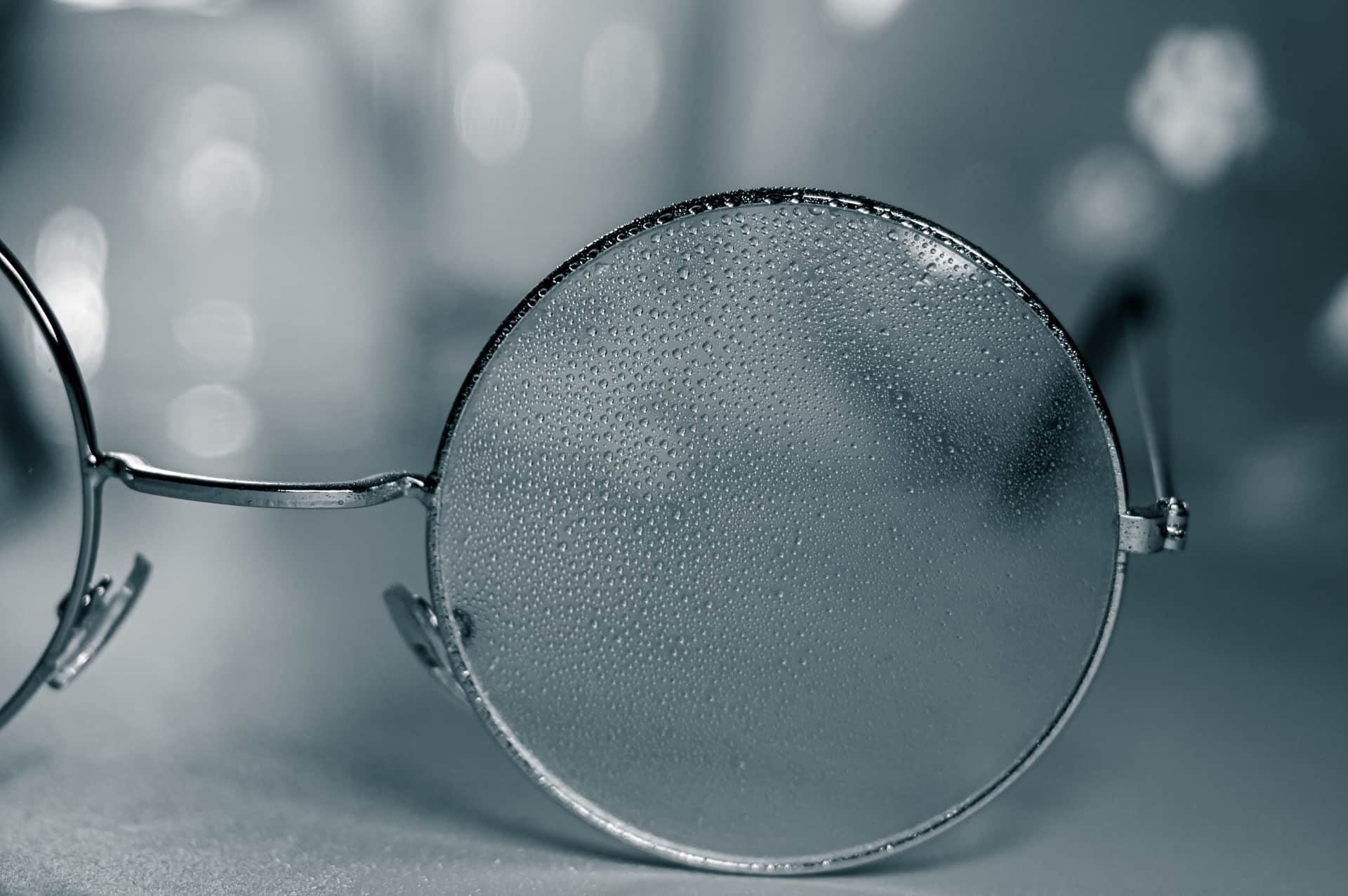
Fogging. The big one. A bare camera cannot fog on the outside of the lens in any way that a wipe does not fix. A sealed housing traps whatever air was inside it when you closed it, and when the housing cools in water the moisture in that air condenses on the inside of the front glass — where you cannot reach it. This is the most common complaint about housings and it is entirely avoidable, which is why anti-fog inserts are in our picks rather than as an afterthought.
The decision, as a short sequence
Are you going deeper than your camera's bare rating? If yes, buy the housing. There is no second opinion on this; water pressure does not negotiate.
Will the camera take a hard impact? Whitewater, rocky trail, tree skiing. If yes, a housing is reasonable insurance — and so is a replaceable lens cover, which the HERO13 Black has and which covers the most likely version of this for a lot less bulk.
Is the water chemically harsh or near freezing? If yes, a housing extends the camera's life, and the argument gets stronger the more seasons you expect to keep it.
Otherwise: no. Snorkeling, swimming, kayaking, paddle boarding, surfing, rain, a dropped camera at a dock. Shoot bare, keep the audio and the touchscreen, and spend the money on a float instead — which is the accessory that actually prevents the most common loss. See floats, tethers and not losing your camera.
Buy it wrong and it is worse than nothing
Three specific mistakes worth naming, because each one produces a housing that fails while looking fine.
The wrong generation. Housings fit specific bodies. GoPro's current Protective Housing lists HERO13, 12, 11 and 10 Black — a housing for an older body may close around a newer camera and still not seal properly, and it will not line up with the lens. Check the model list, not the brand.
A hair or a grain of sand in the seal. The single most common cause of a flooded camera inside a housing that was rated for the depth. Run a finger around the gasket every time, and do it somewhere that is not a beach.
Unbranded housings with a big number on the box. "60m" printed on packaging is not a rating, it is a claim. The housings we would use publish a depth, a model fit list and a material. If a listing cannot tell you which cameras it fits, it is not telling you anything about its seal either.
The alternative nobody mentions: buy a deeper camera
If the only reason you are considering a housing is depth, compare its cost against the gap between cameras. The DJI Osmo Action 5 Pro in our picks is rated to 20m bare — double the HERO13 Black — and the DJI Osmo Action 4 manages 18m. For anyone whose ceiling is free-diving rather than scuba, buying the depth into the camera means never carrying a housing, never losing the audio, never fitting an insert and never checking a gasket.
That is a real option and it is usually the better one for a lake-and-trail buyer. The full set of ratings is in the best waterproof action cameras, and what a depth rating actually promises is in how deep an action camera can actually go.
01
If you do need one
The housing, an anti-fog insert in it every single time, and — if you would rather not own a housing at all — the camera with the deepest bare rating we cover.
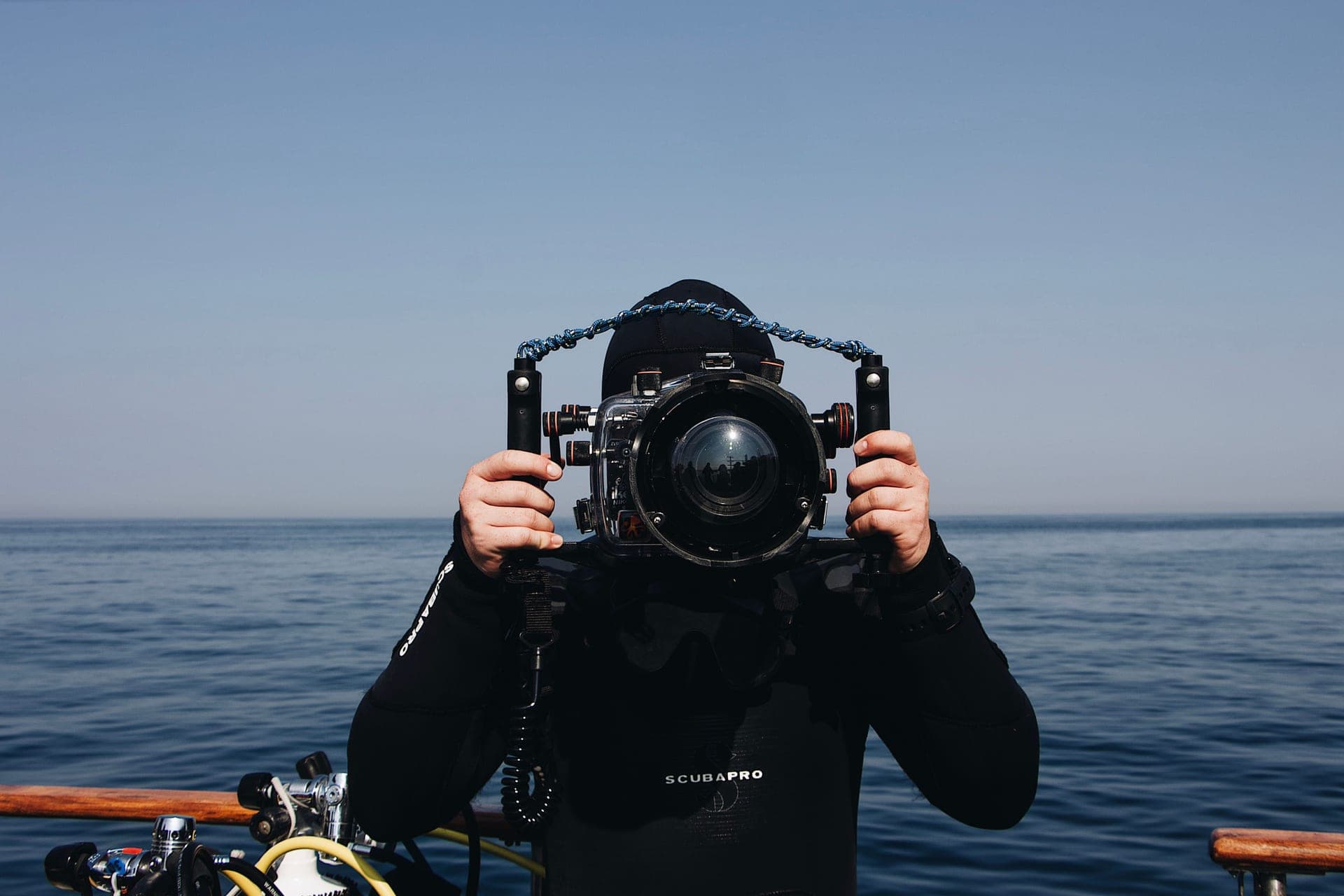
- 196ft (60m)
- HERO13, 12, 11, 10 Black
- Flat glass front
- 9.5
- 8.5
- 8.0
- 7.0
- 6.0
GoPro Protective Housing
GoPro
196ft (60m) rated, with a flat glass lens — the piece that turns a 33ft camera into a diving camera.
Anything below about 30ft, and any camera going anywhere near a tank
- 60m is six times the HERO13 Black's bare rating
- Flat glass lens rather than plastic, so the image holds up
- Includes a skeleton backdoor for better audio when you are not underwater
- Also the best impact protection the camera can wear
- Muffles audio badly with the sealed door — that is physics, not a defect
- Sealed air plus a temperature change is exactly how fogging happens; budget for inserts
- Buttons are harder to work with gloves on
Specs from GoPro Protective Housing product page.
- 15 inserts
- Reusable up to four times
- 300°F for five minutes, then an airtight bag
- 8.5
- 8.0
- 9.5
- 9.0
GoPro Anti-Fog Inserts (15-pack)
GoPro
Fifteen strips, reusable up to four times each, dried in an oven — the cheapest fix for the problem that ruins the most footage.
Anyone putting a camera in a housing in cold or humid air
- GoPro publishes the reuse count and the exact drying procedure
- 15 inserts at four uses each is around 60 sessions from one pack
- Works with both the waterproof and dive housings
- Solves a problem no camera setting can touch
- They are consumables — once saturated they do nothing
- The oven step is easy to forget, and a damp insert is a useless insert
- Only help inside a housing; a bare camera fogs for different reasons
Specs from GoPro Anti-Fog Inserts product page.
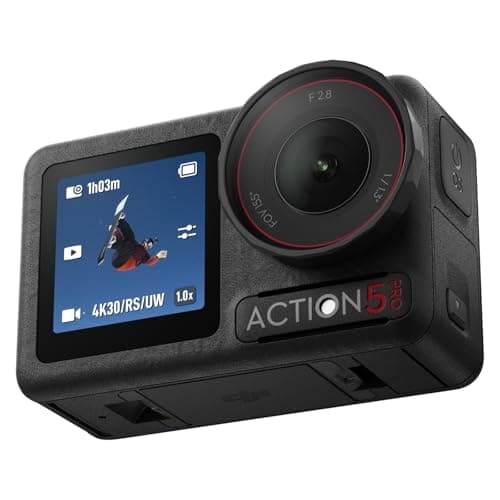
- 20m bare / 60m with case
- 1950mAh · 240 min at 1080p24
- -20° to 45°C
- 9.5
- 9.0
- 9.5
- 8.0
- 9.0
DJI Osmo Action 5 Pro
DJI
Goes to 20m with no housing at all and publishes a 240-minute runtime — the two numbers that decide a long, wet, cold day.
Long paddles, cold water, and anyone tired of buying a housing to get past 10m
- 20m without the Waterproof Case — double the bare-camera depth of the HERO13 Black
- DJI publishes 240 minutes of recording at 1080p/24 with screens off, the longest figure in this set
- Rated to -20°C, which matters more on an October lake than any resolution number
- 1/1.3-inch sensor holds detail when the light goes flat
- Mount ecosystem is smaller than GoPro's, and magnetic quick-release adapters are their own purchase
- 146g — the heaviest of the flagship three
- Fewer third-party mounts and filters exist for it
Specs from DJI Osmo Action 5 Pro published specifications.
02
How we picked
We do not lab-test, bench-test or dive-test cameras, and we do not own test units. What we do instead is read the manufacturer's published specifications, read the independent reviews that genuinely do test, read owner reports for the failure modes specs never mention — fogging, salt corrosion, cold battery collapse, mount slippage — and then weight all of it for cases and housings used on lake and trail. Where a number is not published, the page says “not published” rather than filling the cell.
The full method, including what we refuse to do, is on the editorial policy page.
- 35%Rated depth
- The number the manufacturer publishes, with the model it was rated on.
- 25%Seal design
- O-ring serviceability is the difference between a flood and a rinse.
- 18%Optical clarity
- A flat port costs sharpness underwater; some housings cost more than others.
- 12%Button access
- What you can change without surfacing.
- 10%Fog risk
- Sealed air plus temperature change is how a dive ends up unusable.
03
Questions people actually ask
01Do I need a protective housing for my action camera?
Usually not. Every current flagship is waterproof bare — 10m to 20m depending on the model — which covers snorkeling, swimming, kayaking, surf and rain. You need a housing for diving past the bare rating, for impact protection on rock or ice, or as a second barrier in harsh water.
02What does a protective housing cost you?
Audio quality, touchscreen access, an extra optical surface to scratch and keep clean, and a real fogging risk you did not have before. Those four are why fitting one as a precaution is usually the wrong call.
03How deep can a GoPro go without a housing?
GoPro rates the HERO13 Black to 33ft (10m) with no housing, and the HERO (2024) to 16ft (5m). GoPro's own Protective Housing takes the HERO13, 12, 11 and 10 Black to 196ft (60m).
04Why does my housing fog up?
Because it seals in warm, humid air that condenses on the inside of the front glass when the housing cools in the water. Use an anti-fog insert every time and close the housing in cool dry air. There is no way to clear it once you are in the water.
05Is a housing good for impact protection?
Yes, and that is an underrated reason to own one. On a whitewater helmet, a rocky descent or a ski day in trees, a collision is more likely to end the camera than water is, and a hard shell in front of it is cheap insurance.
06Can I use any 60m case with my camera?
No. Housings fit specific camera bodies, and a printed depth number on an unbranded case is a claim rather than a rating. Check the published model fit list — if a listing cannot tell you which cameras it fits, it is not telling you anything reliable about its seal.
04
Read this next
The best waterproof cases and dive housings
If the answer here was yes, this is the ranked list of what to buy.
How deep can an action camera go
What a depth rating actually promises, and what voids it.
Anti-fog inserts that work
The ten-cent step that decides whether a housed dive produces footage.
The best waterproof action cameras
Buying the depth into the camera instead of carrying a housing.
The best action cameras for scuba diving
The one use case where a housing is not optional.
05
Sources
- GoPro Protective Housing product page
- GoPro Anti-Fog Inserts product page
- DJI Osmo Action 5 Pro published specifications
Specifications are quoted from the manufacturer pages above as they read on the dates shown. Where a figure is not published, this site says so rather than estimating one. We have not tested these products.