The best action cameras for scuba diving
Every bare camera runs out of depth rating before a recreational dive runs out of dive. The housing is not an accessory here — it is the purchase.
Part of On the Water.
We earn a commission if you buy through our links, at no extra cost to you. It never changes what we recommend or the order we rank it in — how this works.
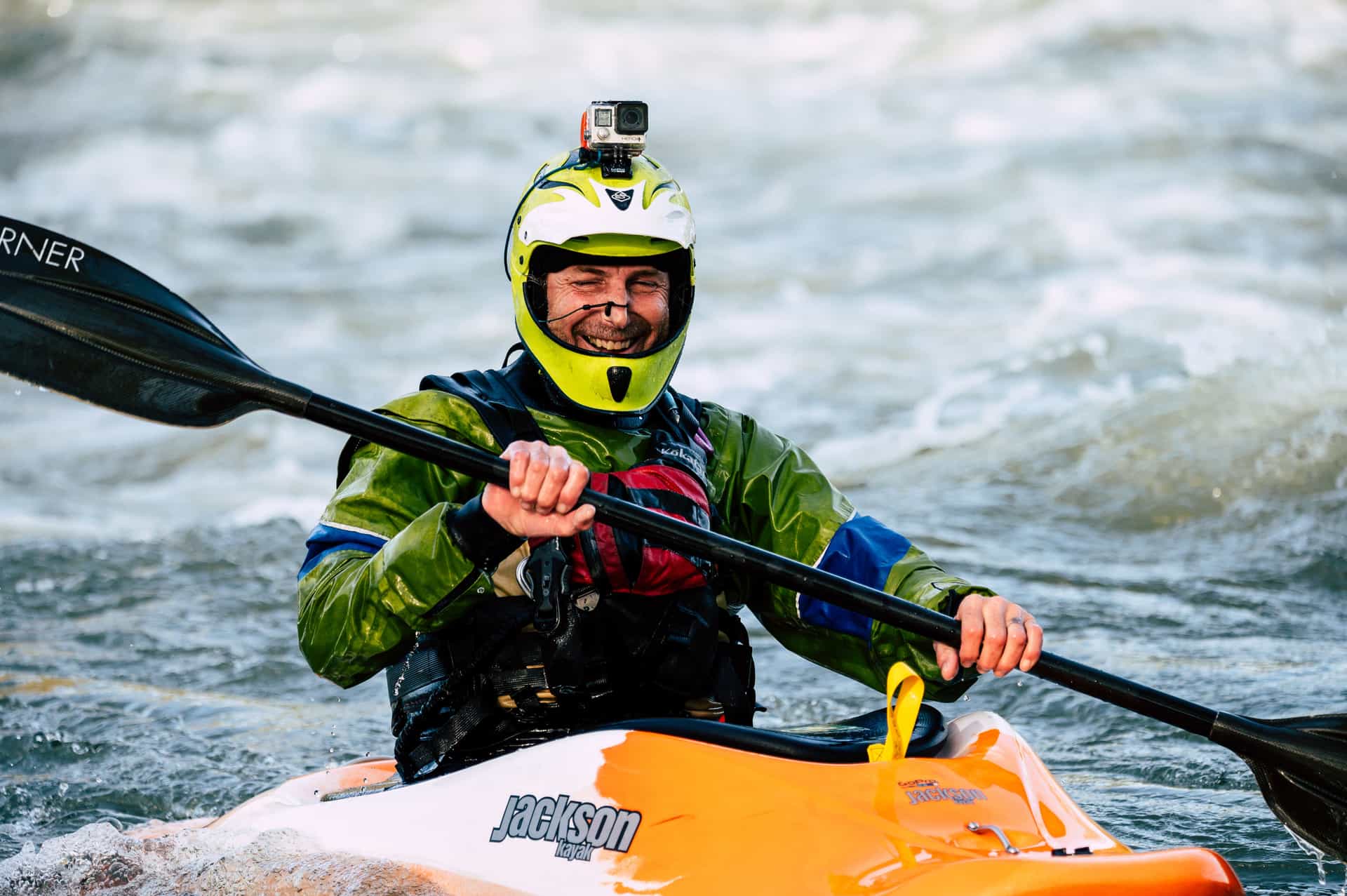
The GoPro HERO13 Black in its Protective Housing is the best action camera setup for scuba diving — the housing is rated to 196ft (60m), which covers recreational diving with margin, and GoPro has by far the widest selection of depth-rated color-correction filters behind it, which is what actually decides whether dive footage looks like the dive. No current action camera is rated deep enough bare: the best are DJI's 20m and 18m, which is shallower than a great many recreational dives. If you want the deepest bare body for shallow dives and snorkelling, that is the DJI Osmo Action 5 Pro.
01
Quick picks
| # | Product | Best for | Score | Price |
|---|---|---|---|---|
| 01 | 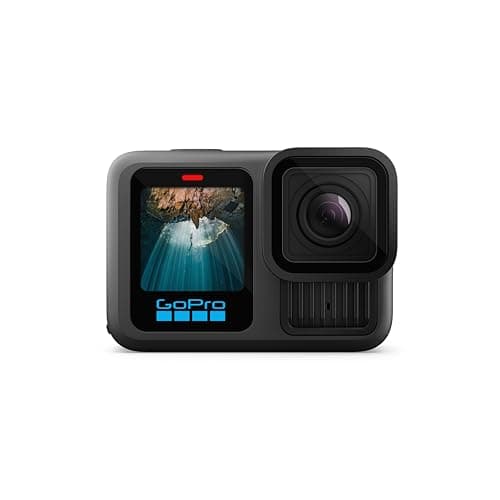 GoPro HERO13 Black The safest default for lake and trail: 33ft without a housing, the steadiest footage in the category, and a mount for literally everything. | Anyone who wants one camera to handle the kayak, the bike and the family trip | 8.8/ 10 | |
| 02 | 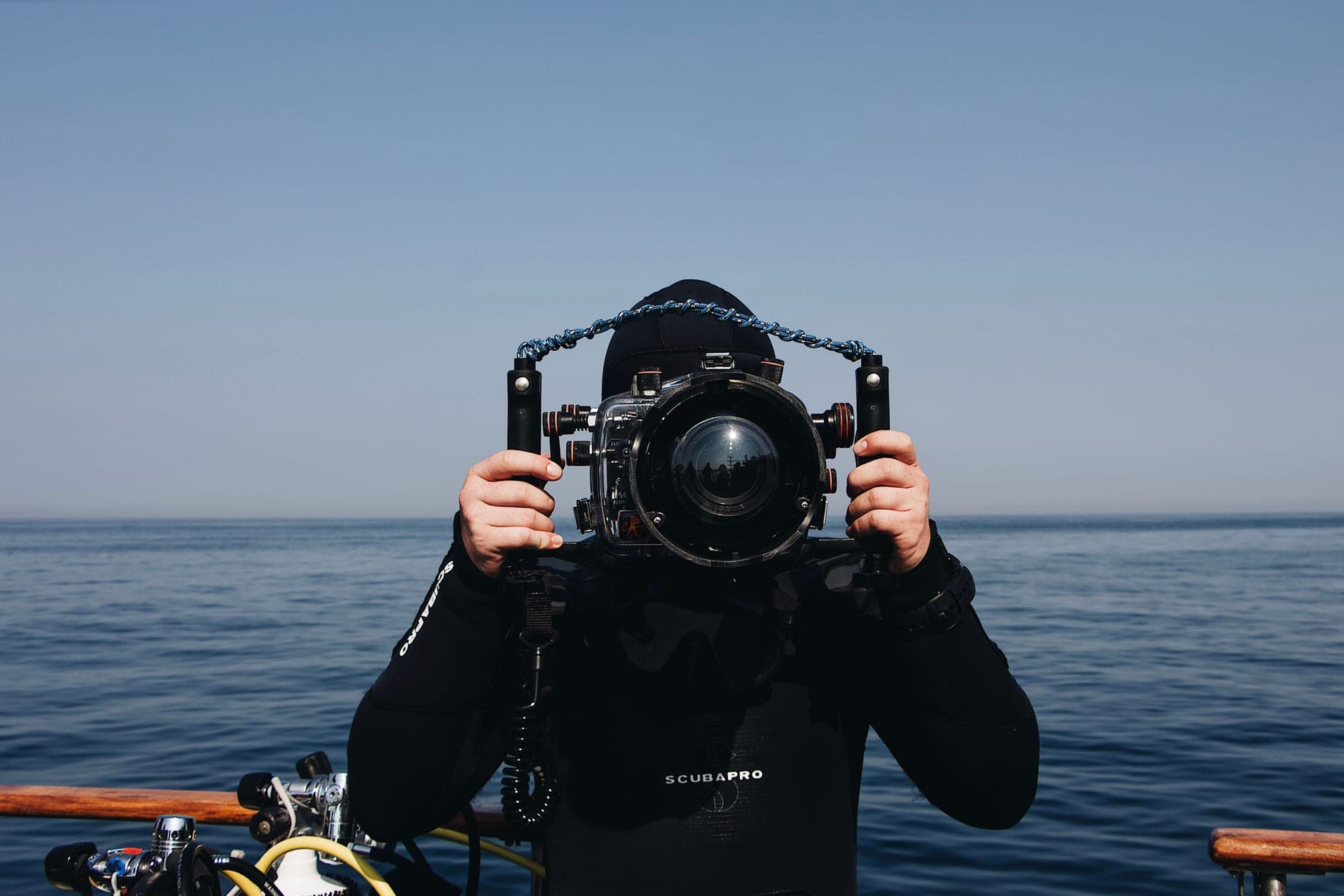 GoPro Protective Housing 196ft (60m) rated, with a flat glass lens — the piece that turns a 33ft camera into a diving camera. | Anything below about 30ft, and any camera going anywhere near a tank | 8.4/ 10 | |
| 03 | 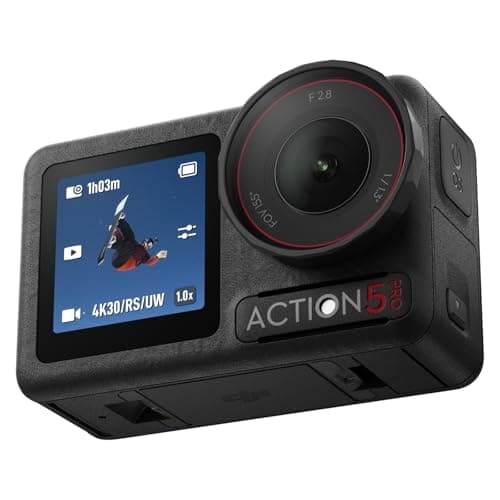 DJI Osmo Action 5 Pro Goes to 20m with no housing at all and publishes a 240-minute runtime — the two numbers that decide a long, wet, cold day. | Long paddles, cold water, and anyone tired of buying a housing to get past 10m | 9.1/ 10 | |
| 04 | 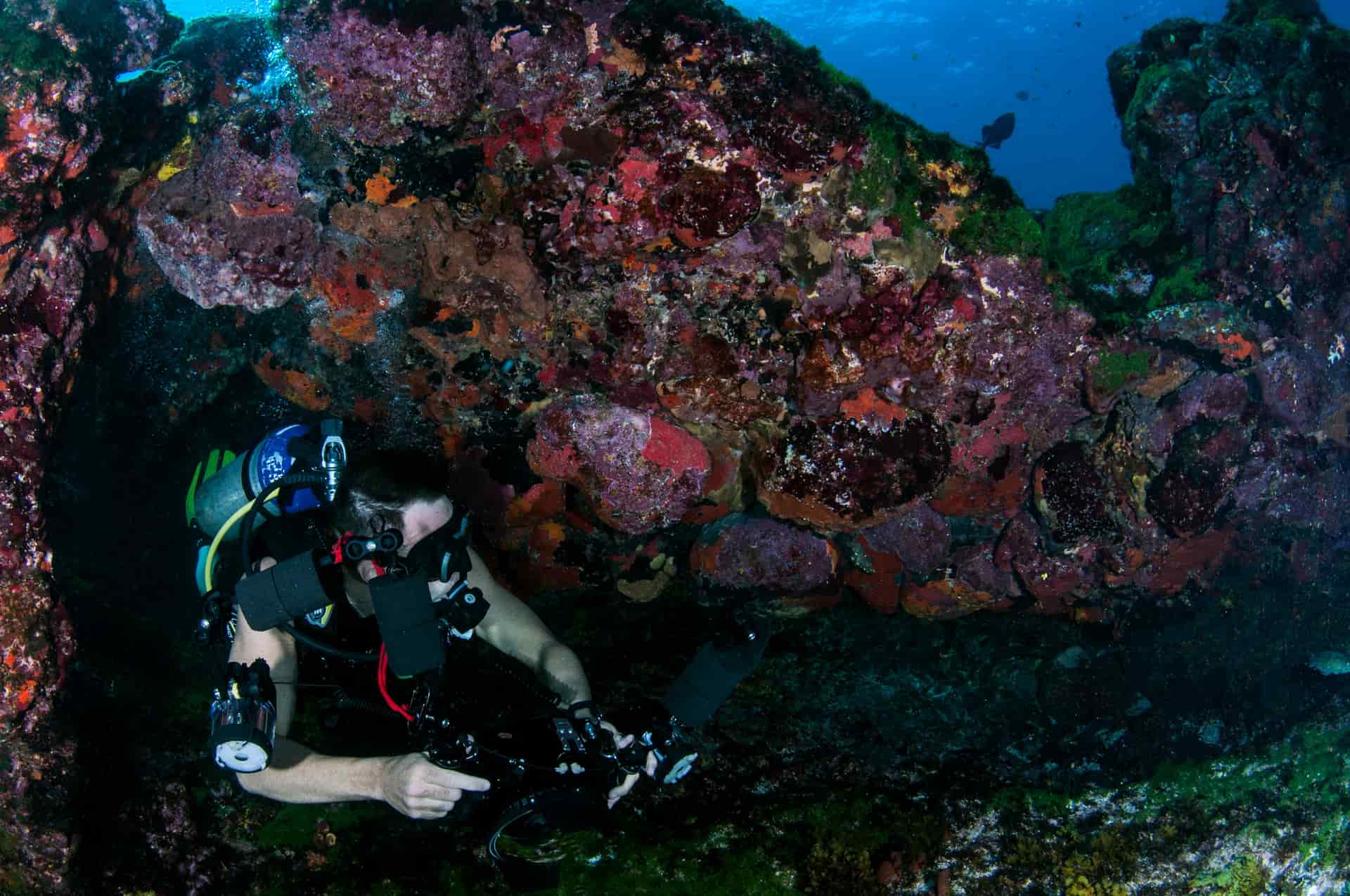 PolarPro DiveMaster Filter 3-Pack The only filter set here that publishes a depth range per filter, which is the whole reason a filter set is worth buying. | Snorkeling and diving where everything on camera comes back blue | 8.4/ 10 | |
| 05 | 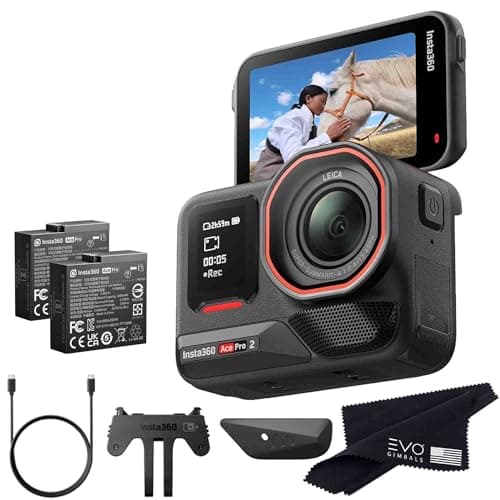 Insta360 Ace Pro 2 The best-looking image of the three flagships, with a flip screen that finally makes a chest-mounted shot something you can frame. | Family trips where you want the footage to look like more than dashcam clips | 8.6/ 10 |
Scores are our editorial judgment from published specs and named independent reviews, weighted for lake and trail use — not measurements. We have not tested these units and do not own them.
02
How we picked
We do not lab-test, bench-test or dive-test cameras, and we do not own test units. What we do instead is read the manufacturer's published specifications, read the independent reviews that genuinely do test, read owner reports for the failure modes specs never mention — fogging, salt corrosion, cold battery collapse, mount slippage — and then weight all of it for action cameras used on lake and trail. Where a number is not published, the page says “not published” rather than filling the cell.
The full method, including what we refuse to do, is on the editorial policy page.
- 30%Water survival
- Rated depth without a case, door design, and what the manufacturer actually publishes.
- 25%Stabilization in chop
- A kayak deck and a rooty trail shake in ways a handheld walk test never shows.
- 20%Battery in the cold
- Published runtime, spare-battery cost, and whether it charges while recording.
- 15%Mount ecosystem
- Finger mount, threaded, magnetic — and how much of it you have to re-buy.
- 10%Footage you will keep
- Lens replaceability, low-light behavior, and how much cutting the footage needs.
Start here: no action camera is a dive camera on its own
This is the thing worth establishing before you spend anything, because a lot of marketing implies otherwise.
Published bare-camera depth ratings for current models run from 5m to 20m. Recreational scuba diving goes to 18m on an open-water certification and 30m with an advanced one. So the deepest action camera on the market today is rated to roughly the bottom of a basic recreational dive, with no margin — and margin is not optional. A depth rating describes a new camera with clean, correctly closed seals in still water; it makes no promise about a two-season-old gasket, a grain of sand in the door channel, or the thermal shock of a hot boat deck to 18°C water.
Which means: for diving, you buy a housing. The housing is the depth-rated product, the camera goes inside it, and the published figures that matter are the housing's. Every current manufacturer publishes a 60m figure for its own case. The complete table of bare and housed ratings is on how deep can an action camera go.
| Camera | Bare | With the maker's case | Depth-rated filters available |
|---|---|---|---|
| GoPro HERO13 Black | 10m (33ft) | 60m (196ft) | Widest selection, published depth ranges |
| DJI Osmo Action 5 Pro | 20m | 60m | Narrower |
| DJI Osmo Action 4 | 18m | 60m | Narrower |
| Insta360 Ace Pro 2 | 12m (39ft) | 60m (197ft) | Narrower |
| Insta360 X5 | 15m (IP68) | Not published for the X5 case | Limited |
| Insta360 X4 | 10m (33ft) | 50m (164ft) | Limited |
| AKASO Brave 8 Lite | 10m (IPX8) | 60m (198ft) | Few or none depth-rated |
Color is the problem, not sharpness
Dive footage almost never fails because the camera was not detailed enough. It fails because it is blue, and understanding why is the difference between fixing it and buying a more expensive camera that is also blue.
Water absorbs light by wavelength. Red goes first and most of it is gone in the first few meters; then orange; then yellow. By the time you are on a reef at fifteen meters, the light arriving at your sensor has had the entire warm end removed from it. There is nothing in the red channel to record, so there is nothing to recover.
A depth-matched red filter is the correct fix. It rebalances optically, before the sensor, and it costs very little. It must be matched to the depth band you are actually at — this is why the published-range filter sets are worth more than cheaper unlabelled ones.
Underwater white balance helps a little and costs nothing. Use it. Do not expect it to invent color the water never delivered.
Color grading afterwards works least well of the three. You cannot recover detail from a channel that received almost no light; pushing red in an editor amplifies noise rather than revealing anything.
Below about 20 meters, a filter stops being enough. There is simply too little light left. Past that depth, the answer is a video light rather than a filter — and no filter and no camera on this page changes that. A light is also the only way to get real color out of a wreck interior or a swim-through at any depth.
O-ring discipline, which is the whole job
Flooded housings are almost never product failures. They are assembly failures, and the routine that prevents them takes two minutes.
Inspect and wipe the O-ring before every dive. Run it between two fingers. One hair, one grain of sand, one fiber from a towel is enough to break the seal, and the seal is the only thing between water and a camera at three atmospheres.
Seat it dry and never stretched. A stretched O-ring does not return to shape. If it looks slack, replace it.
Close the housing in air-conditioned or dry air if you can. This is the fogging fix that costs nothing: you are sealing the air that will later condense on the inside of the glass, so sealing dry air is better than sealing humid air. Add an anti-fog insert as well.
Rinse in fresh water with the housing still closed. Then dry the outside completely, and only then open it. Opening a salt-wet housing introduces salt water to the inside, which is the exact thing the rinse was for. The full routine is in salt water care and rinsing.
Settings and technique
4K/30 or 2.7K/60, and stop there. Higher resolutions cost battery and card space in exchange for detail that the water has already taken away. Battery is a genuine constraint because you cannot swap one mid-dive.
Get closer than feels necessary. Every meter of water between the lens and the subject removes contrast and color. A fish at two meters records far better than the same fish at five, and action cameras are all wide — so the only way to fill the frame is to swim closer. This single habit improves footage more than any camera upgrade on this page.
Shoot with the sun behind you and slightly upward where you can. Pointing up into a bright surface gives you silhouettes and a blown-out background.
Move slowly and hold the shot. The most common fault in amateur dive footage is panning constantly. Pick a subject, hold for ten seconds, then move. It is also better for your air consumption.
If you are mostly in the top five meters rather than diving, the ranking changes and the filter advice changes with it — see the snorkeling roundup.
03
Every pick, in detail
- 33ft (10m), no housing
- 1900mAh Enduro
- 1.5h at 5.3K30 / 2.5h at 1080p30
- 8.0
- 9.5
- 8.5
- 9.5
- 9.0
GoPro HERO13 Black
GoPro
The safest default for lake and trail: 33ft without a housing, the steadiest footage in the category, and a mount for literally everything.
Anyone who wants one camera to handle the kayak, the bike and the family trip
The body to build a dive setup around, and the reason is the ecosystem rather than the camera. GoPro's own Protective Housing takes it to 196ft (60m), and because GoPro has the largest installed base, it also has the widest range of filters cut and depth-rated for its housings — which is the single thing that separates dive footage you keep from dive footage that is uniformly blue.
The camera itself contributes the stabilization, which matters more underwater than people expect: you are neutrally buoyant and drifting, so there is constant low-frequency movement in every shot that HyperSmooth handles well. And the replaceable lens cover is genuinely valuable on a dive trip, where the camera is handled on boats, passed between people and set down on wet decks.
The honest con: 33ft (10m) bare is the shallowest rating of the three flagships, so on this page the camera is not usable without buying the housing. Factor that into the price.
- HyperSmooth 6.0 with AutoBoost is the steadiest stabilization we can find published figures for
- Built-in mounting fingers plus 1/4-20 threads — it fits the GoPro ecosystem and a normal tripod
- Enduro battery is rated to keep full camera functionality down to 14°F (-10°C)
- Replaceable lens cover, so a scratched lens is a $20 problem and not a $400 one
- 33ft is shallower than the DJI and it is the shallowest of the three flagships
- Anything past 33ft needs the separate Protective Housing
- HB-Series lenses and ND filters are all extra purchases
Specs from GoPro HERO13 Black published specifications.
- 196ft (60m)
- HERO13, 12, 11, 10 Black
- Flat glass front
- 9.5
- 8.5
- 8.0
- 7.0
- 6.0
GoPro Protective Housing
GoPro
196ft (60m) rated, with a flat glass lens — the piece that turns a 33ft camera into a diving camera.
Anything below about 30ft, and any camera going anywhere near a tank
The actual purchase. It takes a HERO13, 12, 11 or 10 Black to 196ft (60m), covering recreational limits with real margin, and it also puts a sacrificial shell between a $400 camera and a boat ladder.
Three costs, all of them worth knowing before you dive with it. Audio is muffled to the point of being decorative, which matters not at all underwater and a lot on the boat. You acquire an O-ring, which needs to be clean and correctly seated on every single dive — one hair or grain of sand is how housings flood. And you acquire a fogging problem: warm humid air sealed in a box that then goes into cold water condenses on the inside of the glass, which no setting fixes and which anti-fog inserts solve for almost nothing. Buy them at the same time.
- 60m is six times the HERO13 Black's bare rating
- Flat glass lens rather than plastic, so the image holds up
- Includes a skeleton backdoor for better audio when you are not underwater
- Also the best impact protection the camera can wear
- Muffles audio badly with the sealed door — that is physics, not a defect
- Sealed air plus a temperature change is exactly how fogging happens; budget for inserts
- Buttons are harder to work with gloves on
Specs from GoPro Protective Housing product page.
- 20m bare / 60m with case
- 1950mAh · 240 min at 1080p24
- -20° to 45°C
- 9.5
- 9.0
- 9.5
- 8.0
- 9.0
DJI Osmo Action 5 Pro
DJI
Goes to 20m with no housing at all and publishes a 240-minute runtime — the two numbers that decide a long, wet, cold day.
Long paddles, cold water, and anyone tired of buying a housing to get past 10m
The deepest bare-camera rating in the flagship class at 20m, which makes it the right choice if most of your diving is shallow — a reef at 12 meters, a shore dive, a check-out dive — and you would rather not deal with a housing at all. 20m is a real rating from a manufacturer that publishes a 60m figure for its own dive case when you need to go further.
Two things keep it second for diving specifically. The filter ecosystem is narrower than GoPro's, so finding a filter cut for your exact depth band and housing is harder. And 20m is still well inside recreational dive limits — if you dive to 25 or 30 meters with any regularity, you are buying a case anyway, and at that point the GoPro's wider accessory range starts winning again.
- 20m without the Waterproof Case — double the bare-camera depth of the HERO13 Black
- DJI publishes 240 minutes of recording at 1080p/24 with screens off, the longest figure in this set
- Rated to -20°C, which matters more on an October lake than any resolution number
- 1/1.3-inch sensor holds detail when the light goes flat
- Mount ecosystem is smaller than GoPro's, and magnetic quick-release adapters are their own purchase
- 146g — the heaviest of the flagship three
- Fewer third-party mounts and filters exist for it
Specs from DJI Osmo Action 5 Pro published specifications.
- Tropical water, 15-75ft
- Tropical water, 5-15ft
- Green water, 10-75ft
- 9.0
- 8.0
- 8.5
- 7.0
- 8.0
PolarPro DiveMaster Filter 3-Pack
PolarPro
The only filter set here that publishes a depth range per filter, which is the whole reason a filter set is worth buying.
Snorkeling and diving where everything on camera comes back blue
The most important thing on this page after the housing, and the one people skip. Water absorbs light unevenly and takes the long wavelengths first — most of the red is gone within a few meters, then orange, then yellow. By 15 meters the light reaching your sensor has had the warm end stripped out of it, so everything records blue-green. Your eyes compensate automatically. The camera does not.
A red filter puts the balance back optically, before the sensor, which is the only fix that properly works. The reason this set leads is that PolarPro publishes a depth range per filter, and depth range is the whole game: a filter cut for 15-75ft used at three feet overcorrects into magenta and is worse than no filter at all. Full treatment in filters and dome ports for water.
- Published depth ranges per filter, so you can pick correctly instead of guessing
- Includes a magenta filter for green water, which most sets skip
- Snorkel filter covers the 5-15ft band where most people actually film
- Fits the GoPro Protective Housing, which is where dive filters belong
- Requires the Protective Housing — these do not clip to a bare camera
- Three filters means swapping at the surface, and dropping one is losing one
- Tropical vs green water is a real distinction; the wrong filter overcorrects badly
Specs from PolarPro Dive Filters product page.
- 39ft (12m) / 60m with dive case
- 1800mAh · 180 min published
- 1/1.3" with Leica lens
- 8.5
- 8.5
- 9.0
- 7.5
- 9.5
Insta360 Ace Pro 2
Insta360
The best-looking image of the three flagships, with a flip screen that finally makes a chest-mounted shot something you can frame.
Family trips where you want the footage to look like more than dashcam clips
Here for the sensor. The 1/1.3-inch sensor with the Leica lens is the most detailed image in this group, and diving is one of the few situations where sensor size translates directly into visible benefit — the available light is both dimmer and missing part of its spectrum, so every photon matters. Insta360 publishes a 60m (197ft) figure for its dive case. Against it: 12m bare means the case is required, and the filter selection is narrower than GoPro's. If image quality is your priority over accessory availability, this is the body to look at.
- 8K30 with a 1/1.3-inch sensor — the most detail in the group
- 12m bare, which clears every snorkel depth without a housing
- 180-minute published battery life and 80% charge in 18 minutes
- Flip screen means you can frame a shot you are standing in front of
- 12m is still short of the DJI's 20m
- The dive case is a separate purchase for anything past 12m
- Fewer mount options than GoPro, and an adapter tax if you switch
Specs from Insta360 Ace Pro 2 published specifications.
04
What decides this category
Buy the housing first, then the camera that fits it
For diving the depth-rated product is the case, and every manufacturer publishes 60m for its own. Confirm the case exists for the specific body before you buy the body.
Check that depth-rated filters exist for it
Filter availability tracks market share, so GoPro is best served and budget bodies often have no depth-rated option at all. A camera you cannot filter is a camera whose dive footage you cannot fix.
Sensor size over resolution
Underwater light is dim and spectrally incomplete, which is one of the few places a larger sensor shows a real, visible benefit. 5.3K on a small sensor is worth less than 4K on a 1/1.3-inch one.
What we would skip
A 360 camera, for diving specifically. They are genuinely fun underwater and the exposed hemispherical lenses are the wrong hardware for reef, rock and boat ladders, with the narrowest filter support of anything here. On a snorkel, different answer entirely.
05
Questions people actually ask
01What is the best action camera for scuba diving?
A GoPro HERO13 Black in the GoPro Protective Housing, which is rated to 196ft (60m), plus a depth-matched red filter. The housing and the filter matter more than the camera body, because no current action camera is rated deep enough bare for recreational diving with margin.
02Can you scuba dive with a GoPro without a housing?
Not safely at recreational depths. The HERO13 Black is rated to 33ft (10m) bare, which is shallower than most dives and leaves no margin for a worn seal or thermal shock. The Protective Housing is the purchase that makes it a dive camera.
03Do I need a red filter for diving?
Below about five meters, yes — it is the biggest single improvement available. Match the filter to the depth band you actually dive, because one cut for 15-75ft used in three feet of water overcorrects into magenta. Below roughly 20 meters a filter is no longer enough and you want a video light instead.
04Which action camera goes deepest without a case?
The DJI Osmo Action 5 Pro at 20m, followed by the Osmo Action 4 at 18m and the Insta360 X5 at 15m. All three are still inside recreational dive limits, which is why a housing is the normal answer for diving.
05Why does my dive footage look blue even on a new camera?
Because water absorbs red light within the first few meters, so there is almost nothing in the red channel for the sensor to record. It is physics rather than a camera fault. A depth-matched filter fixes it optically; color grading afterwards mostly amplifies noise.
06
Read this next
How deep can an action camera go?
Every bare and housed rating in one table, with what a rating does not promise.
Cases and dive housings
Where the 60m ratings live, and what a housing costs you.
Filters and dome ports for water
Which filter at which depth, with the published ranges.
The best action cameras for snorkeling
The top fifteen feet, where a housing is the wrong answer.
Anti-fog inserts that work
The moment you own a housing, this stops being optional.
07
Sources
- PolarPro Dive Filters with published depth ranges
- GoPro HERO13 Black published specifications
- GoPro Protective Housing product page
- DJI Osmo Action 5 Pro published specifications
- Insta360 Ace Pro 2 published specifications
Specifications are quoted from the manufacturer pages above as they read on the dates shown. Where a figure is not published, this site says so rather than estimating one. We have not tested these products.