Waterproof cases and dive housings
A housing is armor and a liability at the same time. Most people on the water do not need one.
Part of Gear.
We earn a commission if you buy through our links, at no extra cost to you. It never changes what we recommend or the order we rank it in — how this works.
01
Quick picks
| # | Product | Best for | Score | Price |
|---|---|---|---|---|
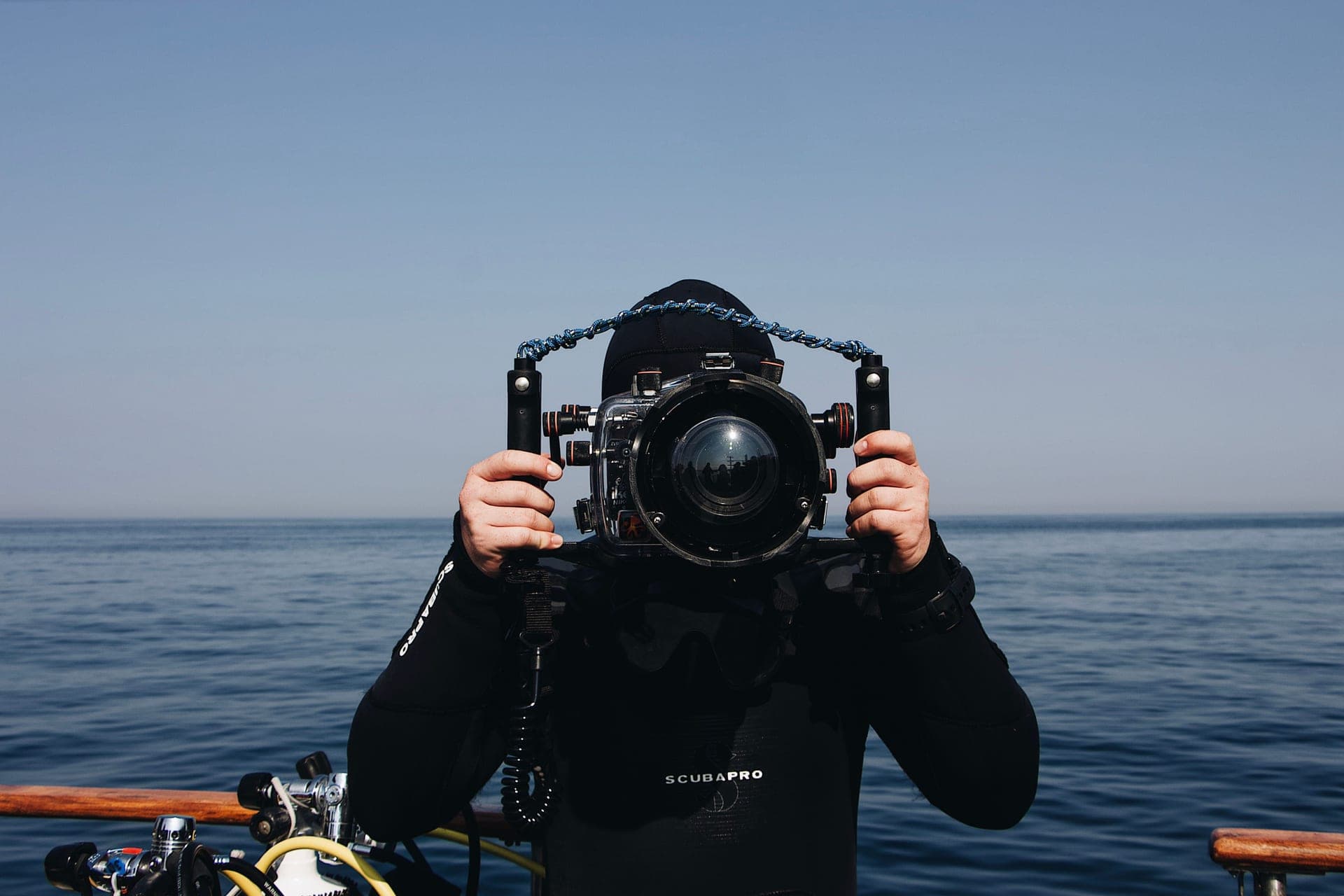
| 01 | GoPro Protective Housing 196ft (60m) rated, with a flat glass lens — the piece that turns a 33ft camera into a diving camera. | Anything below about 30ft, and any camera going anywhere near a tank | 8.4/ 10 | |
| 02 | 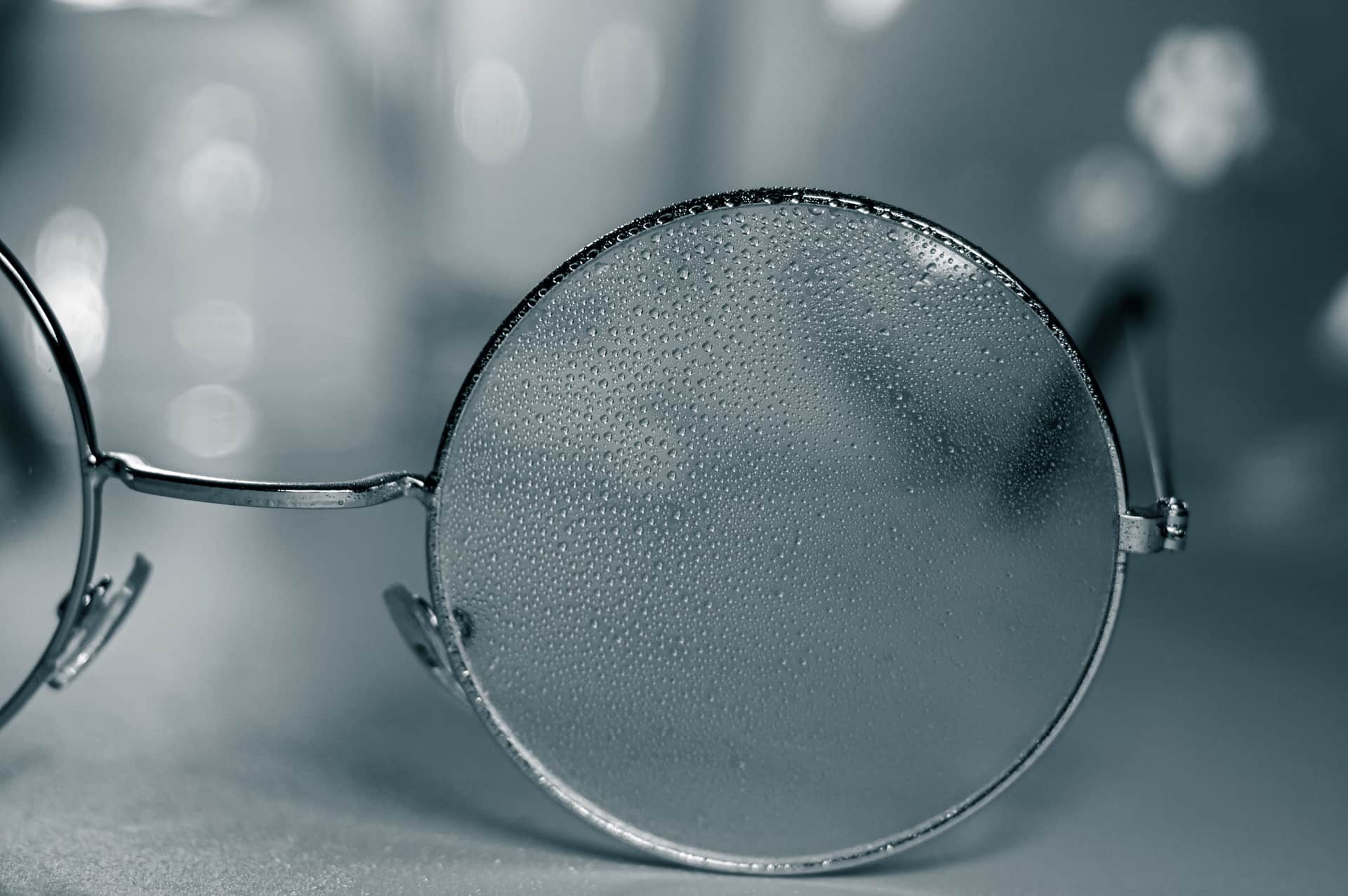 GoPro Anti-Fog Inserts (15-pack) Fifteen strips, reusable up to four times each, dried in an oven — the cheapest fix for the problem that ruins the most footage. | Anyone putting a camera in a housing in cold or humid air | 8.7/ 10 | |
| 03 | 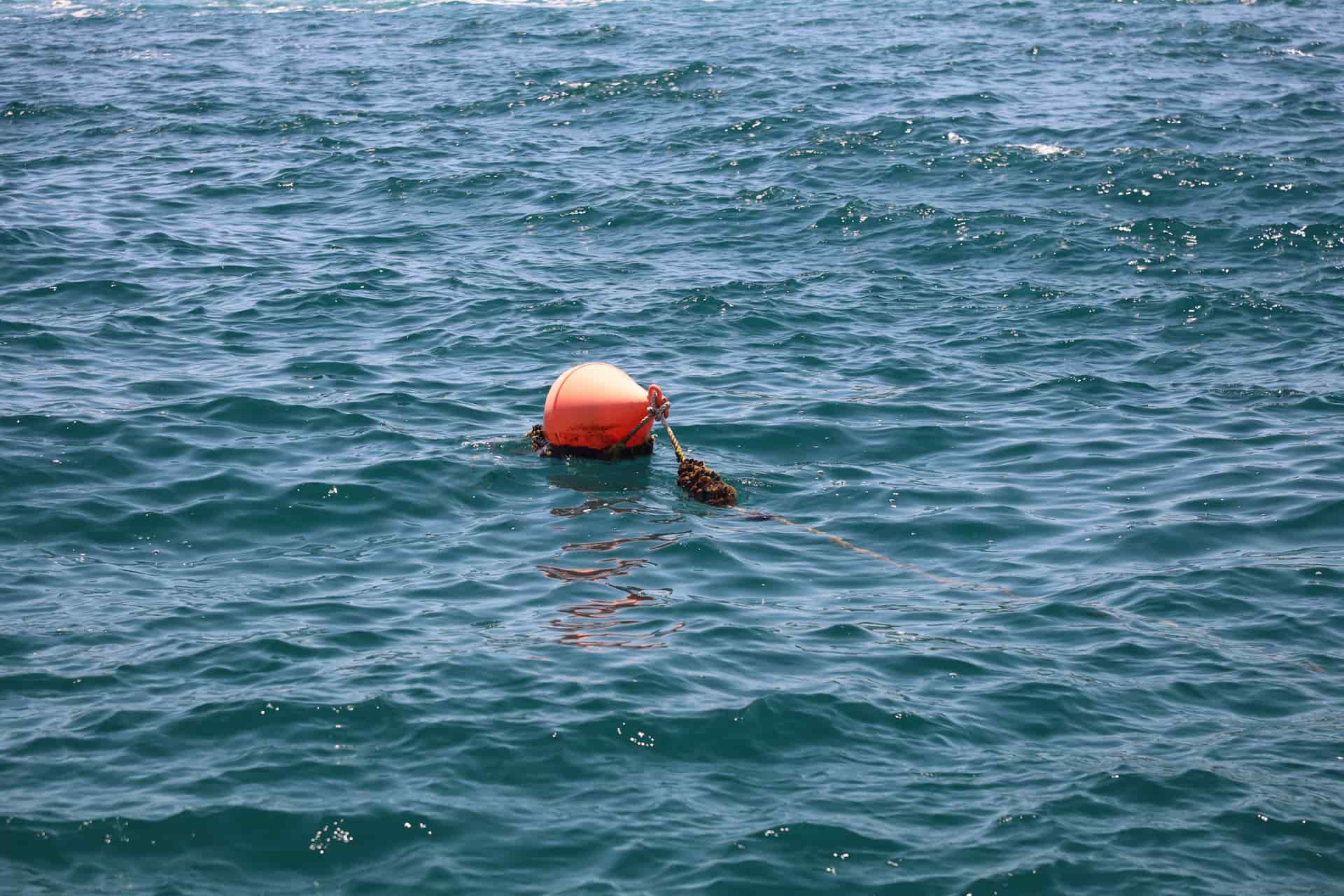 GoPro Floaty The one accessory that decides whether a dropped camera is a bad moment or a lost camera. Buy it with the camera, not after. | Every single person putting a camera near open water | 8.7/ 10 |
Scores are our editorial judgment from published specs and named independent reviews, weighted for lake and trail use — not measurements. We have not tested these units and do not own them.
02
How we picked
We do not lab-test, bench-test or dive-test cameras, and we do not own test units. What we do instead is read the manufacturer's published specifications, read the independent reviews that genuinely do test, read owner reports for the failure modes specs never mention — fogging, salt corrosion, cold battery collapse, mount slippage — and then weight all of it for cases and housings used on lake and trail. Where a number is not published, the page says “not published” rather than filling the cell.
The full method, including what we refuse to do, is on the editorial policy page.
- 35%Rated depth
- The number the manufacturer publishes, with the model it was rated on.
- 25%Seal design
- O-ring serviceability is the difference between a flood and a rinse.
- 18%Optical clarity
- A flat port costs sharpness underwater; some housings cost more than others.
- 12%Button access
- What you can change without surfacing.
- 10%Fog risk
- Sealed air plus temperature change is how a dive ends up unusable.
When you actually need one
Three situations, and honestly only three.
You are going deeper than the camera's bare rating. Scuba diving, primarily. Recreational diving goes well past every bare figure in the depth table, and pressure at depth is unforgiving.
You want impact protection. A housing is armor. Around rock, boat ladders, boards and crowded dive decks it is genuinely useful.
Your camera is older or heavily used. Door gaskets age, compress and collect damage. A housing on a four-season camera is reasonable insurance.
Outside those, a housing costs more than it gives.
| Gives | Takes |
|---|---|
| Depth: 196ft (60m) instead of 33ft | Audio: a sealed door muffles it badly |
| Impact protection | Fogging risk, which needs a consumable to manage |
| Protection from sand and grit | Button feel, especially with gloves |
| A surface for dive filters to mount to | An O-ring that must be inspected every time |
| Peace of mind on an old camera | Buoyancy: a housed camera sinks faster |
The audio trade, which surprises people
A sealed housing is a sealed box, and the microphone is inside it. Above water the audio is noticeably muffled — on a boat or a beach it sounds like the camera is in a bag, because effectively it is.
GoPro's housing includes a skeleton backdoor precisely for this: it improves audio and access to the touchscreen, and it is not waterproof. Swapping doors means carrying both and remembering which is on.
For surface use — kayaking, boating, snorkeling at the top few meters — that trade is usually not worth it. A camera rated past your depth with no housing gives you better audio and no fogging.
The O-ring, which is the whole game
A housing fails in one way: something got between the O-ring and its seat. One hair, one grain of sand, one fiber from a towel.
That is the counterintuitive part — a housed camera is not automatically safer than a bare one. A bare camera's door seal is captive and protected; a housing's O-ring is exposed every time you open it, usually on a boat, usually with sandy hands.
The routine, every single time:
- Open it somewhere clean and dry, with the outside already rinsed and dried.
- Look at the O-ring in good light. It should be clean, seated and free of nicks.
- Wipe it with a clean, lint-free cloth. Not a towel, which sheds fibers.
- Check the groove it sits in as well — grit collects there.
- Close it and check the latch is fully engaged, not just resting.
Do not grease a housing O-ring unless the manufacturer says to. Silicone grease belongs on some dive equipment and attracts grit on a camera housing.
Compatibility, which is narrow
Housings are the least universal accessory in this category. GoPro's Protective Housing is listed for the HERO13, HERO12, HERO11 and HERO10 Black — not the small HERO (2024), and obviously not another brand.
DJI and Insta360 publish 60m figures for their own dive cases, each fitting their own cameras. Nothing crosses over, and third-party housings vary in quality in a category where failure means a flooded camera.
Check the model list before ordering, every time — mount compatibility covers the wider pattern.
One more consideration for 360 cameras
A dive case on a 360 camera appears in every frame, because the camera sees in every direction including at itself. Manufacturers shape these cases to minimize it and they cannot eliminate it.
That is a real reason to prefer a 360 camera whose bare rating covers your depth — the Insta360 X5 at 15m, for instance — rather than planning to house one.
03
Every pick, in detail
- 196ft (60m)
- HERO13, 12, 11, 10 Black
- Flat glass front
- 9.5
- 8.5
- 8.0
- 7.0
- 6.0
GoPro Protective Housing
GoPro
196ft (60m) rated, with a flat glass lens — the piece that turns a 33ft camera into a diving camera.
Anything below about 30ft, and any camera going anywhere near a tank
196ft (60m) with a flat glass front and a skeleton backdoor option for better audio out of the water. Listed for the HERO13, HERO12, HERO11 and HERO10 Black. It is six times the HERO13 Black's bare rating, and it is also the best impact protection the camera can wear.
- 60m is six times the HERO13 Black's bare rating
- Flat glass lens rather than plastic, so the image holds up
- Includes a skeleton backdoor for better audio when you are not underwater
- Also the best impact protection the camera can wear
- Muffles audio badly with the sealed door — that is physics, not a defect
- Sealed air plus a temperature change is exactly how fogging happens; budget for inserts
- Buttons are harder to work with gloves on
Specs from GoPro Protective Housing product page.
- 15 inserts
- Reusable up to four times
- 300°F for five minutes, then an airtight bag
- 8.5
- 8.0
- 9.5
- 9.0
GoPro Anti-Fog Inserts (15-pack)
GoPro
Fifteen strips, reusable up to four times each, dried in an oven — the cheapest fix for the problem that ruins the most footage.
Anyone putting a camera in a housing in cold or humid air
Not optional if you use a housing. Sealed warm humid air plus cold water equals condensation on the inside of the glass, and no setting fixes it. Fifteen inserts, reusable up to four times each, dried at 300°F for five minutes.
- GoPro publishes the reuse count and the exact drying procedure
- 15 inserts at four uses each is around 60 sessions from one pack
- Works with both the waterproof and dive housings
- Solves a problem no camera setting can touch
- They are consumables — once saturated they do nothing
- The oven step is easy to forget, and a damp insert is a useless insert
- Only help inside a housing; a bare camera fogs for different reasons
Specs from GoPro Anti-Fog Inserts product page.
- ADFLT-001
- HERO13, 12, 11, 10, 9 Black
- Keeps the camera at the surface
- 8.5
- 9.0
- 9.5
- 7.5
GoPro Floaty
GoPro
The one accessory that decides whether a dropped camera is a bad moment or a lost camera. Buy it with the camera, not after.
Every single person putting a camera near open water
Included for a specific reason: a housed camera sinks faster than a bare one, because the housing adds more weight than displacement. If a housing is going in deep water, a float is more necessary rather than less.
- Attaches directly to the camera rather than to a mount you might swap off
- Bright orange, which is the difference between finding it and not
- Cheap next to the camera it saves
- Works with the standard door, so nothing else changes about your setup
- Model numbers matter — the older AFLTY-004 does not fit HERO13, 12, 11, 10 or 9
- Adds bulk that changes how the camera sits in a tight mount
- It floats the camera, not the camera plus a heavy housing and mount — check the whole rig
Specs from GoPro Floaty (ADFLT-001) product page.
04
What decides this category
Check the compatible-model list first
Housings fit specific camera generations and nothing else. This is the accessory where a wrong order is most likely.
Glass, not plastic, at the front
A flat glass port holds up optically in a way molded plastic does not, and it scratches less. It is worth the difference.
Budget for the consumables
Anti-fog inserts are not optional with a housing, and a float rated for the whole assembly may be a second purchase.
A serviceable O-ring
One you can see, wipe and inspect. A housing whose seal you cannot examine is a housing you cannot trust after a sandy day.
What we would skip
A housing for surface use on a camera already rated past your depth. You gain nothing and lose audio quality, button feel and a fogging-free day.
05
Questions people actually ask
01Do I need a waterproof case for my action camera?
Only if you go deeper than its bare rating, want impact protection, or the camera is old enough that its door seal is suspect. For surface paddling and snorkeling on a modern camera, no.
02How deep does a GoPro dive housing go?
GoPro publishes 196ft (60m) for its Protective Housing, listed for the HERO13, HERO12, HERO11 and HERO10 Black. DJI and Insta360 publish 60m figures for their own dive cases.
03Why did my housing leak?
Almost always something on the O-ring — a hair, a grain of sand, a towel fiber. Inspect and wipe the seal every time you close it, somewhere clean and dry, and check the groove as well.
04Does a housing make the camera float?
The opposite. A housing adds more weight than displacement, so a housed camera sinks faster. Fit a float rated for the whole assembly and test it in a sink first.
05Why does audio sound muffled in a housing?
Because the microphone is inside a sealed box. It is expected rather than a fault. A skeleton backdoor improves it and is not waterproof, so you carry both doors.
06Can I use a housing on a 360 camera?
Yes, and the case appears in every frame because the camera sees in all directions. It is a real reason to prefer a 360 camera whose bare rating covers your depth.
06
Read this next
How deep can an action camera go?
Whether you need a housing at all, with every published figure.
Anti-fog inserts that work
The consumable that comes with every housing.
Filters and dome ports
What the housing enables, and what it requires.
Salt water care and rinsing
How to soak a housing without flooding it.
Floats and tethers
Why a housed camera needs one more, not less.
07
Sources
- GoPro Protective Housing product page
- GoPro Anti-Fog Inserts product page
- DJI Osmo Action 5 Pro specifications
- GoPro Floaty (ADFLT-001) product page
Specifications are quoted from the manufacturer pages above as they read on the dates shown. Where a figure is not published, this site says so rather than estimating one. We have not tested these products.