Editing a trip video people watch
The edit is not where trip videos go wrong. They go wrong three hours earlier, when you pressed record and left it.
Part of Filming.
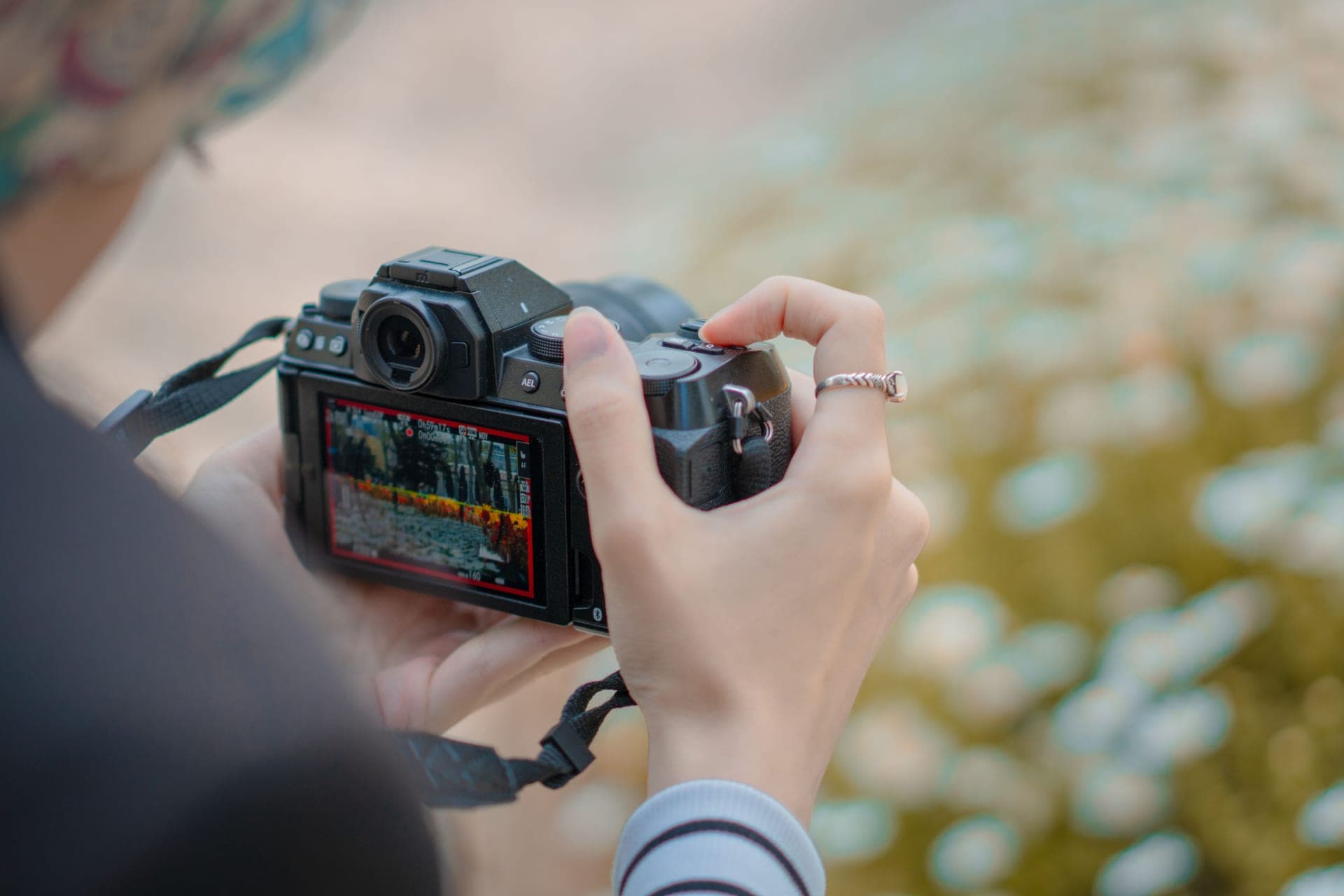
Shoot far less, then cut to three minutes. Most trip videos fail because there are four hours of continuous footage and nobody — including the person who shot it — will sit down with that. Film in deliberate thirty to ninety second bursts at moments you would describe to a friend, aim for ten to fifteen clips a day, and cut the result to around three minutes with music. That is a video people finish. The editing software barely matters.
The real problem, stated bluntly
A day on the water shot the usual way produces three or four hours of footage. Almost all of it is continuous takes of a place: the paddle out, the crossing, forty minutes of water approaching from a deck mount. Nothing happens in any of it.
Then the file goes onto a drive, and the prospect of scrubbing through four hours to find the good bits is unappealing enough that it never happens. That is not an editing skill problem. It is a quantity problem created hours earlier.
So the most important thing on this page happens before you press record.
The shooting habit
Record in bursts of thirty to ninety seconds. Long enough to establish something, short enough to be reviewable.
Only at moments you would describe to somebody afterwards. That is the filter. Not the whole crossing — the bit where the wind dropped. Not the whole descent — the section with the roots. If you would not mention it, do not film it.
Aim for ten to fifteen clips a day. That is roughly ten to fifteen minutes of footage, which is an evening's edit rather than a project.
The side effects are all good: the battery lasts, the card lasts, the camera runs cooler (overheating is largely a clip-length problem), and you spend the day looking at the place instead of managing a camera.
Get variety, not perfection
The second reason trip footage is dull is that it is all from one position. One angle for three hours is monotonous however good the camera is.
Six kinds of shot, and you can get all of them in a day:
Wide — the place, with you small in it. From a pole or a boom.
Point of view — what you saw. Chest or helmet.
Detail — water on the deck, a dripping blade, mud on a tire. Ten seconds each, and they are what give an edit rhythm.
Face — a reaction to something real, not a piece to camera.
Movement through frame — put the camera on a rock or a log and paddle or ride past it, then collect it. This is the shot that looks like somebody else filmed you, and it costs two minutes.
Arrival or departure — launching, landing, packing up. An ending makes it a story.
The self-filming guide covers the rigs.
The edit, in four steps
With fifteen minutes of deliberate footage, this takes an evening.
1. Watch everything once and mark the keepers. Do not cut yet. Just flag the clips worth using. Expect about half.
2. Pick the music first. This is the step people leave until last and it should be first. The track determines the length, the pace and where the cuts land. A three-minute track means a three-minute video, and that constraint is doing you a favor.
3. Lay the clips against the music in rough order. Start with an arrival or an establishing wide, end with a landing. Trim each clip harder than feels right — most are twice as long as they need to be, and a two-second detail shot is usually enough.
4. Cut it down by a third. Whatever length you arrive at, remove a third. Almost every amateur trip video is too long, and almost none is too short.
What to skip
Color grading. Not until everything else is working. A well-paced three-minute video with straight-out-of-camera color beats a beautifully graded twelve-minute one nobody finishes.
Titles and transitions. A cut is fine. Wipes and spins age badly and take time you could spend trimming.
The camera's own audio, mostly. On water it is wind; on trail it is wind and freewheel. Music, with occasional real sound where something actually happens, works better — the microphone guide is honest about the limits of fixing it.
Waiting for better software. Every camera maker ships a free app that does everything above, and every phone has an editor capable of it. The tool is not what is stopping you.
360 footage, specifically
If you shoot 360, there is an extra step: every clip needs reframing before it is watchable, which means deciding where the virtual camera looks and when it turns.
That makes the shooting discipline more important rather than less. Fifteen clips is a reasonable reframing session; sixty is why plenty of 360 cameras end up in drawers — the format comparison is honest about it.
Shoot 5.7K rather than 8K. Smaller files, faster to work with, and indistinguishable once it is 16:9 on a phone.
01
Questions people actually ask
01How long should a trip video be?
About three minutes. Almost nobody finishes a ten-minute amateur trip video, including the person who made it. Pick a three-minute track first and let it set the length.
02Why is my GoPro footage boring?
Two reasons, both fixed before the edit: there is too much of it, and it is all from one position. Film in thirty to ninety second bursts, and deliberately collect six different kinds of shot.
03What is the best software for editing action camera footage?
Whatever you already have. Every camera maker ships a free app that handles this, and every phone has a capable editor. Software is not what is stopping the video from getting made.
04Should I use music or the original audio?
Music, mostly. Action camera audio outdoors is largely wind, and wind is not interesting. Bring the real sound up briefly where something actually happens.
05How do I make footage look more professional?
Cut more. Length is the single biggest difference between amateur and professional trip videos — far more than color, transitions or camera choice.
06How much footage should I shoot in a day?
Ten to fifteen clips, thirty to ninety seconds each — roughly fifteen minutes total. That is an evening's edit. Four hours is a project you will not start.
02
Read this next
How to film yourself paddling
The six shots to collect, and the rigs that get them.
Best settings for water
The modes that produce files you will actually finish.
360 camera vs action camera
Where the reframing step changes this whole calculation.
Best action cameras for family travel
The same problem, with a week of holiday footage.
Stop fogging and overheating
Another problem that shorter clips quietly solve.