The best action cameras for bike touring
On a tour the question is not how steady the footage is. It is whether the camera still has charge on day four.
Part of On the Trail.
We earn a commission if you buy through our links, at no extra cost to you. It never changes what we recommend or the order we rank it in — how this works.
01
Quick picks
| # | Product | Best for | Score | Price |
|---|---|---|---|---|
| 01 | DJI Osmo Action 5 Pro Goes to 20m with no housing at all and publishes a 240-minute runtime — the two numbers that decide a long, wet, cold day. | Long paddles, cold water, and anyone tired of buying a housing to get past 10m | 9.1/ 10 | |
| 02 | 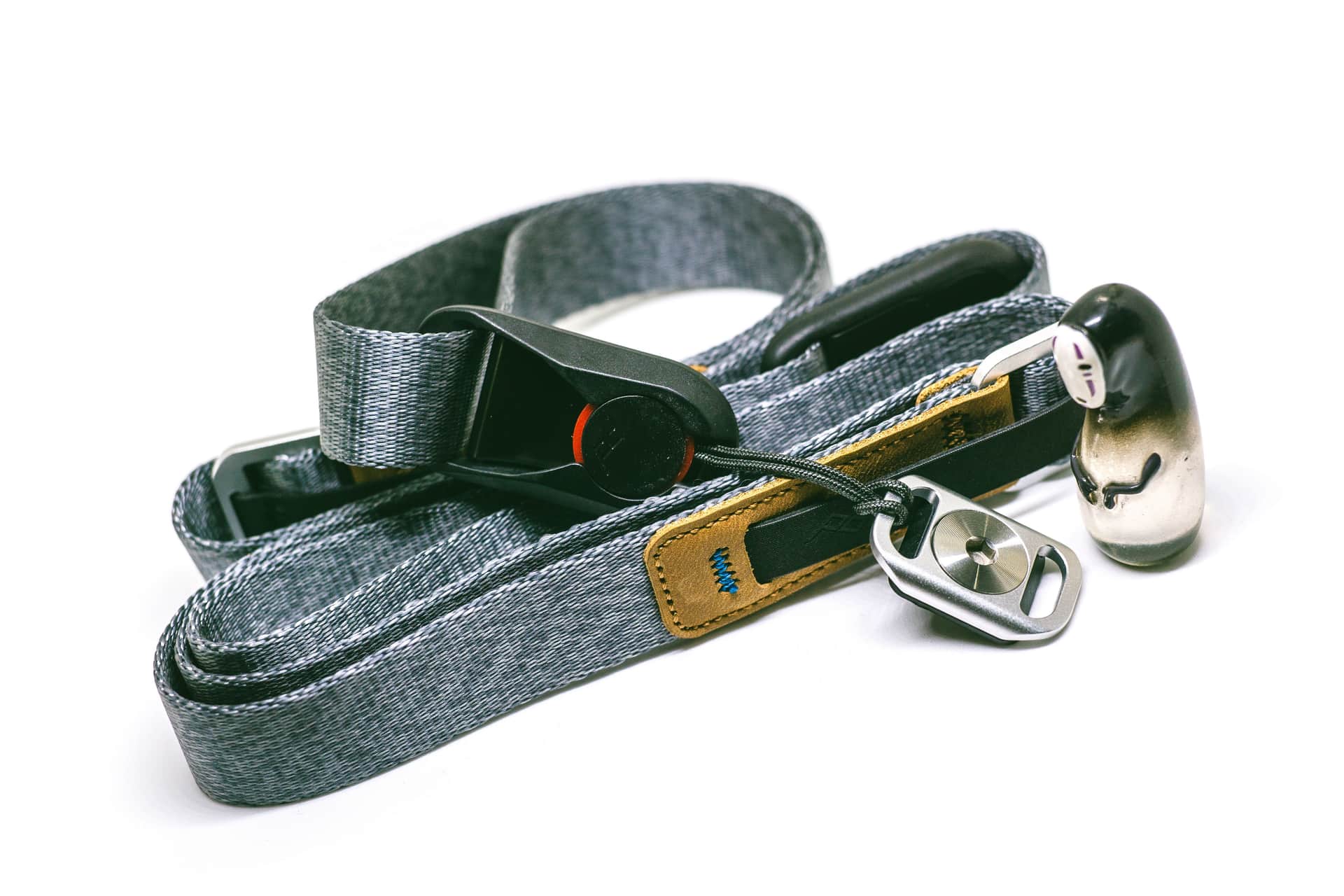 Insta360 GO Ultra 53 grams and IPX8 to 10m on its own — the camera you actually clip on for a paddle instead of leaving in the dry bag. | Hands-free clips where a full-size camera would never leave the bag | 7.6/ 10 | |
| 03 | 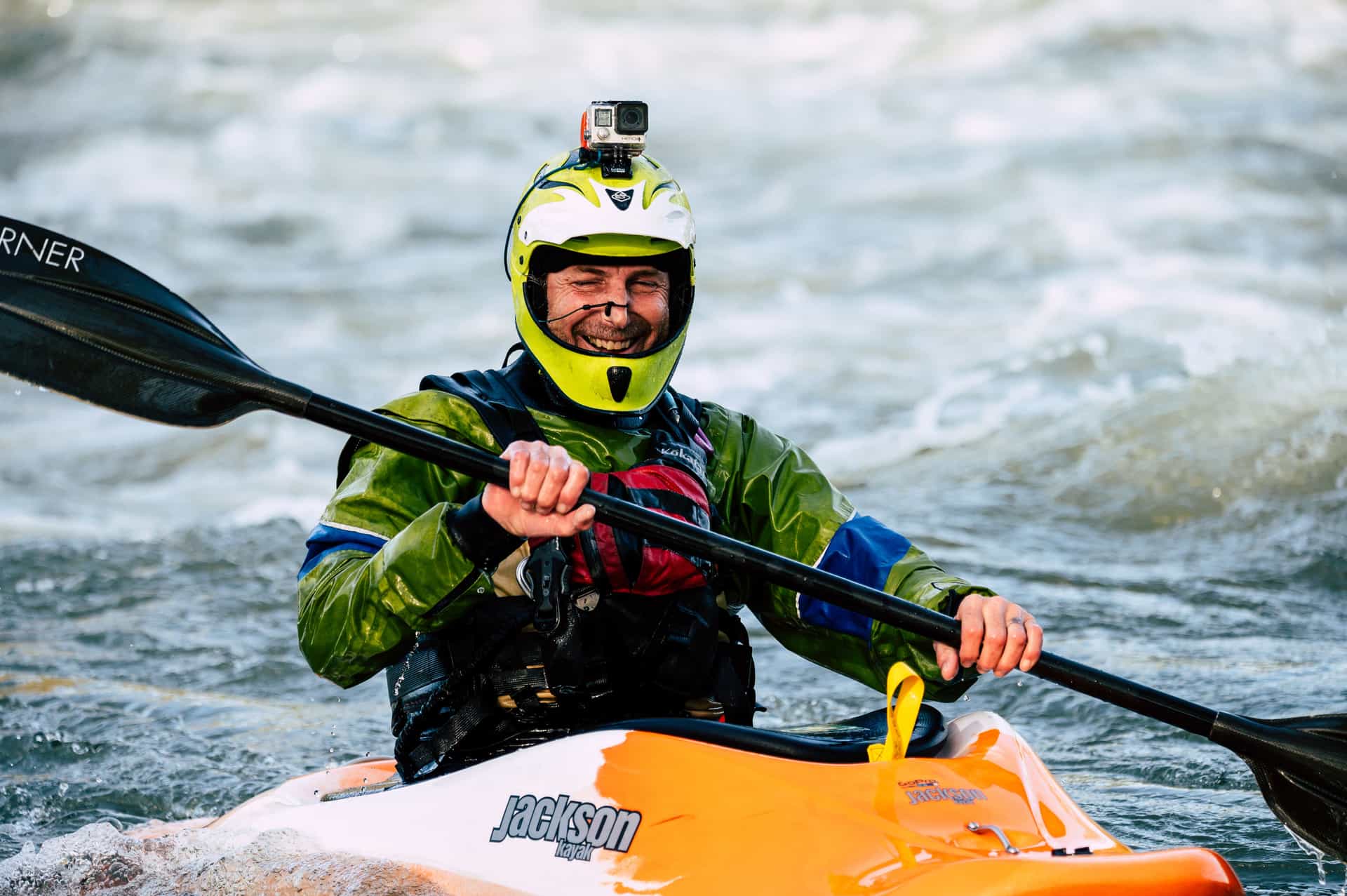 GoPro HERO13 Black The safest default for lake and trail: 33ft without a housing, the steadiest footage in the category, and a mount for literally everything. | Anyone who wants one camera to handle the kayak, the bike and the family trip | 8.8/ 10 | |
| 04 | 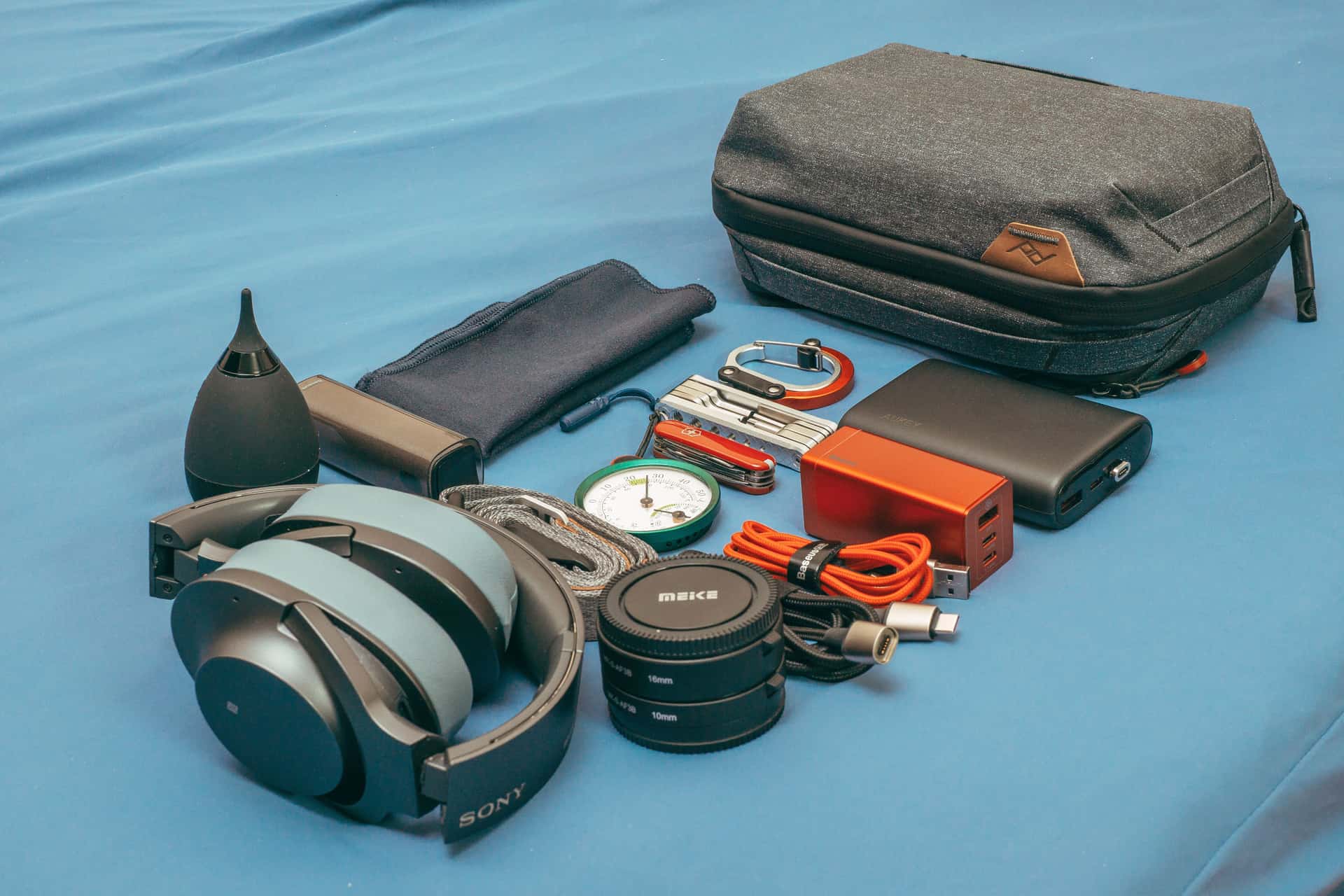 Anker PowerCore Select 10000 10,000mAh in 211 grams — enough to refill a camera several times, small enough that it actually comes with you. | Multi-day trips, and cameras whose battery is not removable | 8.2/ 10 |
Scores are our editorial judgment from published specs and named independent reviews, weighted for lake and trail use — not measurements. We have not tested these units and do not own them.
02
How we picked
We do not lab-test, bench-test or dive-test cameras, and we do not own test units. What we do instead is read the manufacturer's published specifications, read the independent reviews that genuinely do test, read owner reports for the failure modes specs never mention — fogging, salt corrosion, cold battery collapse, mount slippage — and then weight all of it for action cameras used on lake and trail. Where a number is not published, the page says “not published” rather than filling the cell.
The full method, including what we refuse to do, is on the editorial policy page.
- 30%Water survival
- Rated depth without a case, door design, and what the manufacturer actually publishes.
- 25%Stabilization in chop
- A kayak deck and a rooty trail shake in ways a handheld walk test never shows.
- 20%Battery in the cold
- Published runtime, spare-battery cost, and whether it charges while recording.
- 15%Mount ecosystem
- Finger mount, threaded, magnetic — and how much of it you have to re-buy.
- 10%Footage you will keep
- Lens replaceability, low-light behavior, and how much cutting the footage needs.
Touring is a different problem from trail riding
Mountain biking is a stabilization problem — roots and rock, solved by a good camera on a good mount. Touring is almost none of that. The riding is mostly smooth, the pace is steady, and any camera here handles it.
What touring is instead is a logistics problem. You are away from power for days, you are carrying everything, the weather does whatever it wants, and the camera competes for charge with a phone, a GPS and lights that matter more than it does.
So the ranking on this page is power first, weight second, weather third, and stabilization last — which is the opposite of the mountain biking roundup.
The power plan
Three approaches, and most tourers end up combining two.
Spare batteries. Simplest and lightest for up to about three days. A camera battery is small and light enough to carry three, and swapping takes ten seconds. It stops scaling past that, because you cannot recharge them.
A power bank. The default for anything longer. A 10,000mAh brick at 211g refills a camera several times and covers the phone too. Route the cable carefully if you charge while riding — a trailing USB cable on a moving bike is a genuine snag risk. Power on long days covers charging while recording.
Dynamo. If your bike has a hub dynamo, a USB converter charges the power bank while you ride, which effectively removes the problem. Expensive to add for a camera alone, excellent if you already have one.
Weight, honestly counted
The camera is the smallest part of the weight. What adds up is the system: camera, one or two mounts, spare batteries, a power bank, cables, a cloth, a float if there is water.
That is a reason to be ruthless. One mount, not three. Two spares, not four. And a camera whose weight you will actually carry to a viewpoint at the end of a 90-mile day — which is why the Insta360 GO Ultra ranks where it does despite a shorter specification sheet.
Weather, because you do not get to choose
On a tour you ride in what the day gives you, which means rain for hours rather than a shower you shelter from. Any bare rating on this page handles that comfortably, and the practical points are elsewhere.
Dry the camera before opening any door — water sitting in the door recess runs into the battery bay. Keep spares in a dry bag rather than a jersey pocket. And if you ride coastal, the salt routine matters as much on a bike as on a boat — salt water care applies to mount threads more than most people realize.
What to film on a tour
Touring footage fails in a specific way: it is all road from a bar mount, at eye height, moving forward. There is nothing in it.
What works is everything except the riding. Packing the bike in the morning. The cafe stop. The climb, from the side of the road — set the camera on a wall, ride past, come back for it. The thing that went wrong. Arriving somewhere.
Ten seconds of a loaded bike leaning against a wall in evening light says more about a tour than an hour of tarmac ever will. The editing guide goes further.
03
Every pick, in detail
- 20m bare / 60m with case
- 1950mAh · 240 min at 1080p24
- -20° to 45°C
- 9.5
- 9.0
- 9.5
- 8.0
- 9.0
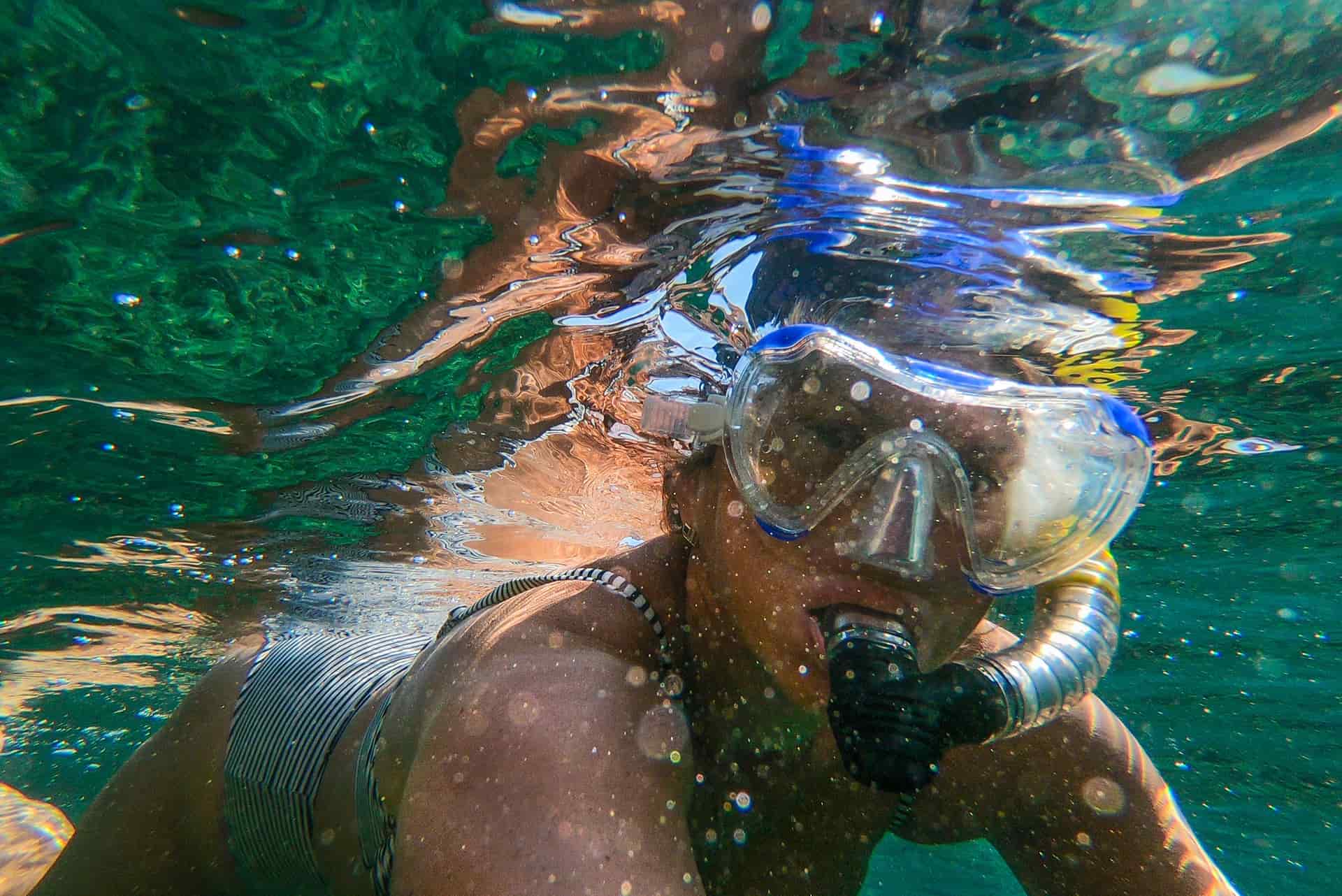
DJI Osmo Action 5 Pro
DJI
Goes to 20m with no housing at all and publishes a 240-minute runtime — the two numbers that decide a long, wet, cold day.
Long paddles, cold water, and anyone tired of buying a housing to get past 10m
240 published minutes and a -20°C operating range are exactly the two figures a tour cares about, and 20m bare means rain, river crossings and a dropped camera at a campsite are all non-events. The heaviest body here at 146g, which on a loaded bike genuinely does not matter.
- 20m without the Waterproof Case — double the bare-camera depth of the HERO13 Black
- DJI publishes 240 minutes of recording at 1080p/24 with screens off, the longest figure in this set
- Rated to -20°C, which matters more on an October lake than any resolution number
- 1/1.3-inch sensor holds detail when the light goes flat
- Mount ecosystem is smaller than GoPro's, and magnetic quick-release adapters are their own purchase
- 146g — the heaviest of the flagship three
- Fewer third-party mounts and filters exist for it
Specs from DJI Osmo Action 5 Pro published specifications.
- IPX8 to 33ft (10m), camera only
- 53g
- Up to 170 min with the Action Pod
- 7.0
- 8.0
- 7.5
- 8.0
- 8.0
Insta360 GO Ultra
Insta360
53 grams and IPX8 to 10m on its own — the camera you actually clip on for a paddle instead of leaving in the dry bag.
Hands-free clips where a full-size camera would never leave the bag
53 grams, and it clips to a strap or a bar bag rather than needing a mount. On a tour where every gram is counted and the camera is used in short bursts at viewpoints, this is a strong argument — the Action Pod stays in a frame bag and doubles as the charger.
- 53g means it goes on a hat brim, a PFD strap or a chest magnet and you forget it is there
- IPX8 to 10m for the camera itself, with a 1/1.28" sensor that is far larger than the size suggests
- Action Pod adds a flip screen and the long runtime when you want it
- Removable microSD, so you are not stuck with fixed onboard storage
- The Action Pod is not rated to the same depth as the camera — read the two ratings separately
- Magnetic mounting is convenient but is not a mechanical lock in real chop
- No interchangeable lens cover, so a scratch is permanent
Specs from Insta360 GO Ultra published specifications.
- 33ft (10m), no housing
- 1900mAh Enduro
- 1.5h at 5.3K30 / 2.5h at 1080p30
- 8.0
- 9.5
- 8.5
- 9.5
- 9.0
GoPro HERO13 Black
GoPro
The safest default for lake and trail: 33ft without a housing, the steadiest footage in the category, and a mount for literally everything.
Anyone who wants one camera to handle the kayak, the bike and the family trip
The best mount ecosystem, which on a touring bike means it attaches to bars, forks, racks and a helmet without adapters. The Enduro battery's published 14°F figure covers cold mornings, and spares are small and light enough to carry three.
- HyperSmooth 6.0 with AutoBoost is the steadiest stabilization we can find published figures for
- Built-in mounting fingers plus 1/4-20 threads — it fits the GoPro ecosystem and a normal tripod
- Enduro battery is rated to keep full camera functionality down to 14°F (-10°C)
- Replaceable lens cover, so a scratched lens is a $20 problem and not a $400 one
- 33ft is shallower than the DJI and it is the shallowest of the three flagships
- Anything past 33ft needs the separate Protective Housing
- HB-Series lenses and ND filters are all extra purchases
Specs from GoPro HERO13 Black published specifications.
- 10000mAh
- 12W total
- 7.44oz (211g)
- 8.5
- 7.0
- 9.0
- 7.5
- 8.5
Anker PowerCore Select 10000
Anker
10,000mAh in 211 grams — enough to refill a camera several times, small enough that it actually comes with you.
Multi-day trips, and cameras whose battery is not removable
Here as a pick because on a tour the power bank is genuinely part of the camera system. 10,000mAh in 211g refills a camera several times and charges a phone and a light from the same brick. It is not waterproof — it lives in a dry bag.
- Enough capacity for several full camera charges from one brick
- 211g is genuinely pocketable in a PFD or deck bag
- Dual USB-A outputs, so the camera and a phone charge together
- The only workable answer for cameras with a built-in battery
- 12W total output is slow — this tops up overnight, it does not fast-charge
- Micro-USB input, so you may be carrying a second cable type
- Not waterproof. It lives in a dry bag or it does not live long
Specs from Anker PowerCore 10K product page.
04
What decides this category
Removable battery, and cheap spares
On a tour this outranks nearly everything. A built-in battery ties you to a power bank and a cable for every charge, which is slower and more fragile than a ten-second swap.
Published runtime and a cold figure
Long days and cold mornings. DJI publishes 240 minutes and -20°C; GoPro publishes 14°F for the Enduro battery. Those are the comparable numbers.
Weight of the whole system
Count the mount, the spares, the power bank and the cables, not just the camera. The lightest camera with a heavy power solution can weigh more than a heavier camera with two spares.
Mounting that does not need adapters
Touring bikes have bars, forks, racks and bags in a variety of diameters. Native two-prong mounting plus a clamp with a wide jaw range covers the most positions for the least hardware.
What we would skip
A 360 camera, for most tours — the reframing backlog after a week away is genuinely off-putting, and touring is not a format that needs it. Also skip a second camera; on a loaded bike, one you use beats two you carry.
05
Questions people actually ask
01How do I keep an action camera charged on a bike tour?
Spare batteries for up to about three days, a 10,000mAh power bank beyond that, and a dynamo if your bike has one. Shooting in short bursts rather than continuously does more for battery life than any of them.
02Can I charge the camera while riding?
Most current cameras support charging while recording, which is useful on a tour — but route the cable carefully, because a trailing USB lead on a moving bike is a snag risk. The details are here.
03What is the best camera for bikepacking?
The DJI Osmo Action 5 Pro for its published runtime and cold range, or the Insta360 GO Ultra if weight is the deciding factor. Both handle touring-pace riding easily.
04Do I need a waterproof camera for touring?
Yes, but not a deep one. You ride in whatever weather arrives, and any bare rating here covers hours of rain. Dry the camera before opening any door.
05Why is my touring footage boring?
Because it is all road, filmed forwards, from a bar mount. Film the packing, the cafe, the climb from the roadside and the arriving — everything except the actual pedaling.
06
Read this next
Power on long days
Charging while recording, and the heat trade-off it comes with.
Batteries and power banks
Spares versus a brick, and which suits how long you are out.
Best action cameras for hiking
The same weight-and-battery problem at walking pace.
Bike and handlebar mounts
One mount that fits the most positions on a loaded bike.
Editing a trip video people watch
Why ten clips a day beats four hours of road.
07
Sources
- DJI Osmo Action 5 Pro specifications
- Insta360 GO Ultra published specifications
- Anker PowerCore 10K product page
- GoPro HERO13 Black published specifications
Specifications are quoted from the manufacturer pages above as they read on the dates shown. Where a figure is not published, this site says so rather than estimating one. We have not tested these products.