The best action cameras for hiking
A hiking camera is off for six hours and on for four minutes. Weight and standby battery decide it, not sensor size.
Part of On the Trail.
We earn a commission if you buy through our links, at no extra cost to you. It never changes what we recommend or the order we rank it in — how this works.
01
Quick picks
| # | Product | Best for | Score | Price |
|---|---|---|---|---|
| 01 | Insta360 GO Ultra 53 grams and IPX8 to 10m on its own — the camera you actually clip on for a paddle instead of leaving in the dry bag. | Hands-free clips where a full-size camera would never leave the bag | 7.6/ 10 | |
| 02 | 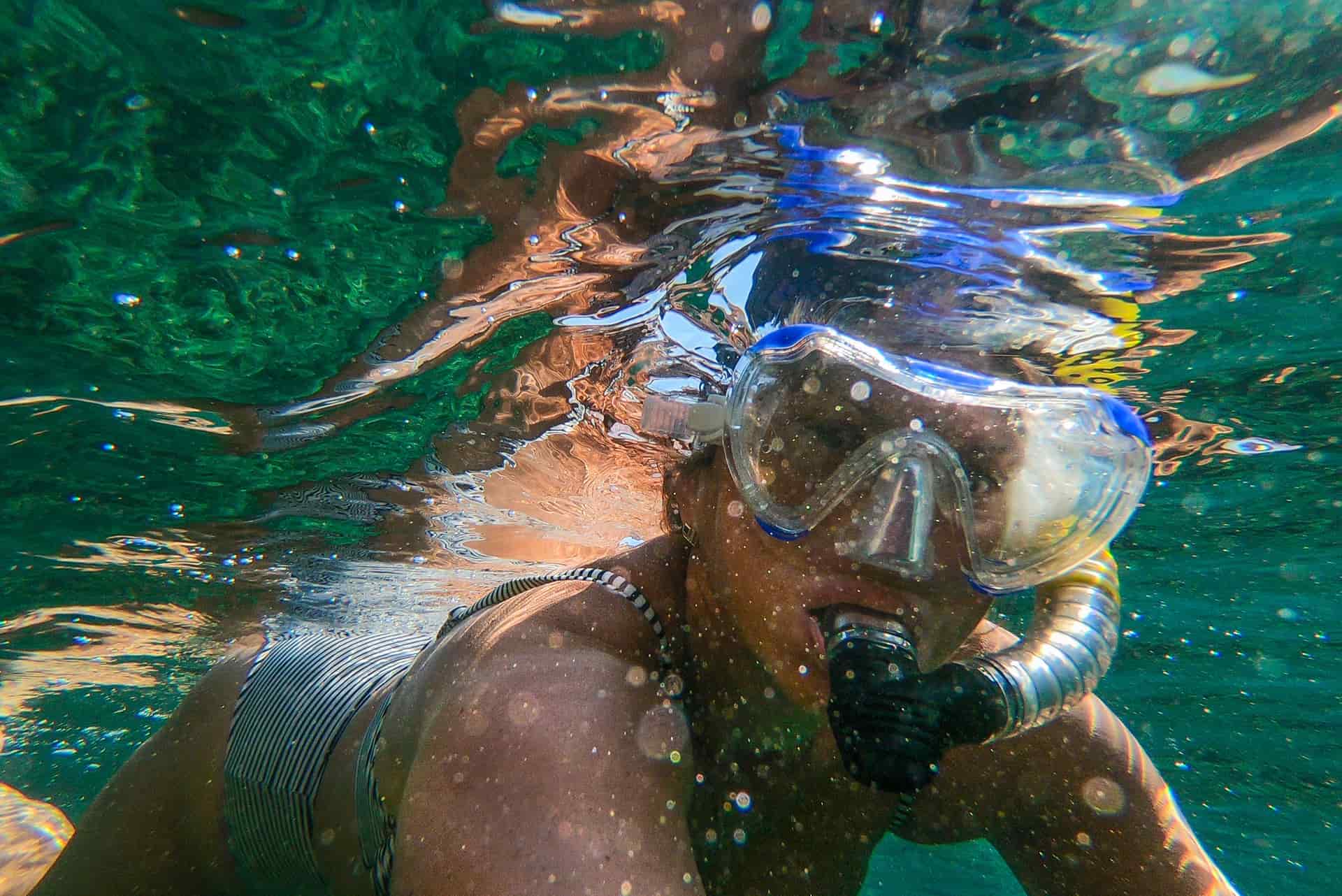 DJI Osmo Action 5 Pro Goes to 20m with no housing at all and publishes a 240-minute runtime — the two numbers that decide a long, wet, cold day. | Long paddles, cold water, and anyone tired of buying a housing to get past 10m | 9.1/ 10 | |
| 03 |  GoPro HERO13 Black The safest default for lake and trail: 33ft without a housing, the steadiest footage in the category, and a mount for literally everything. | Anyone who wants one camera to handle the kayak, the bike and the family trip | 8.8/ 10 | |
| 04 | 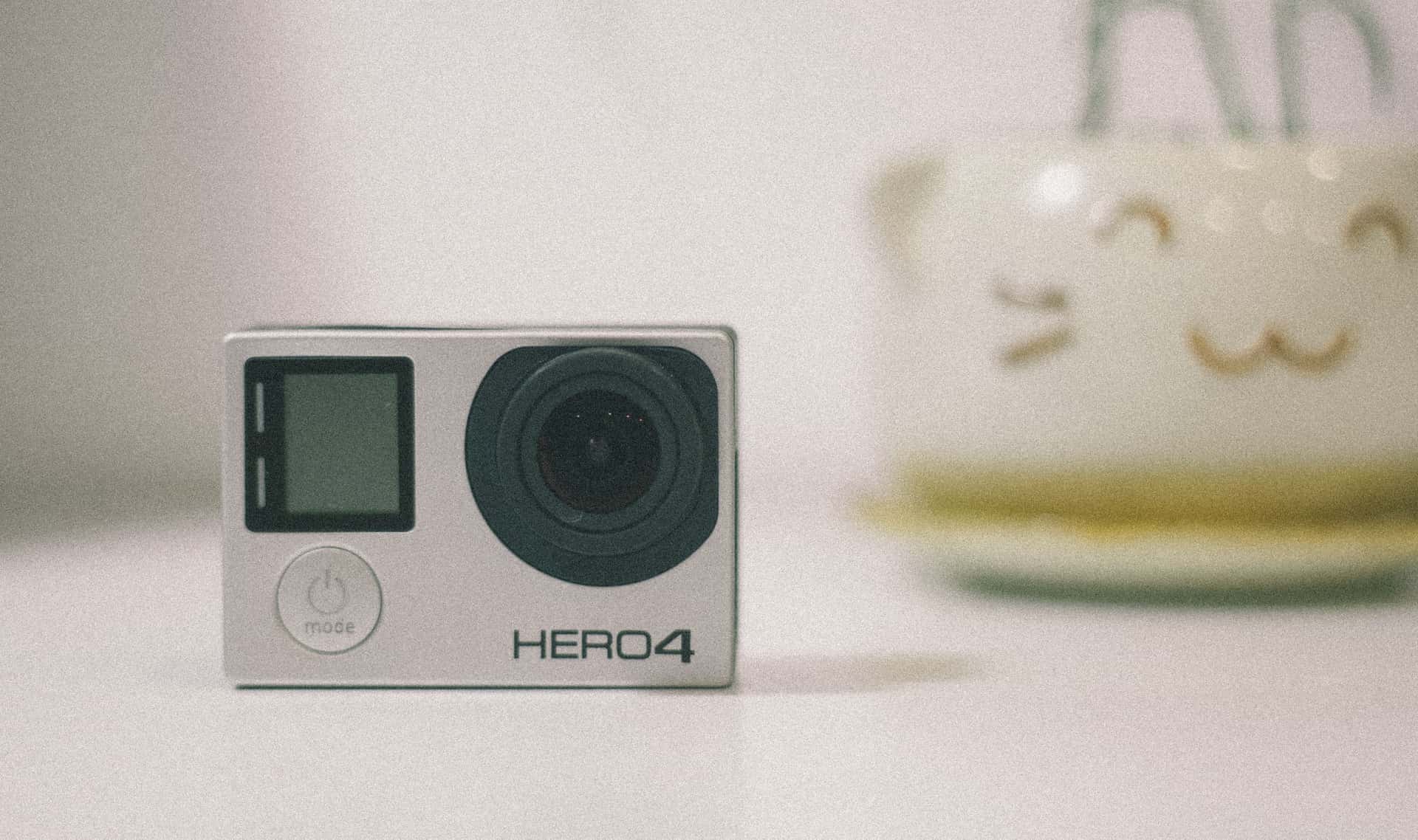 GoPro HERO (2024) The cheapest real GoPro, and the one whose 16ft rating you have to take seriously before you take it snorkeling. | A first camera, a kid's camera, or a second angle that mounts anywhere | 7.1/ 10 | |
| 05 | 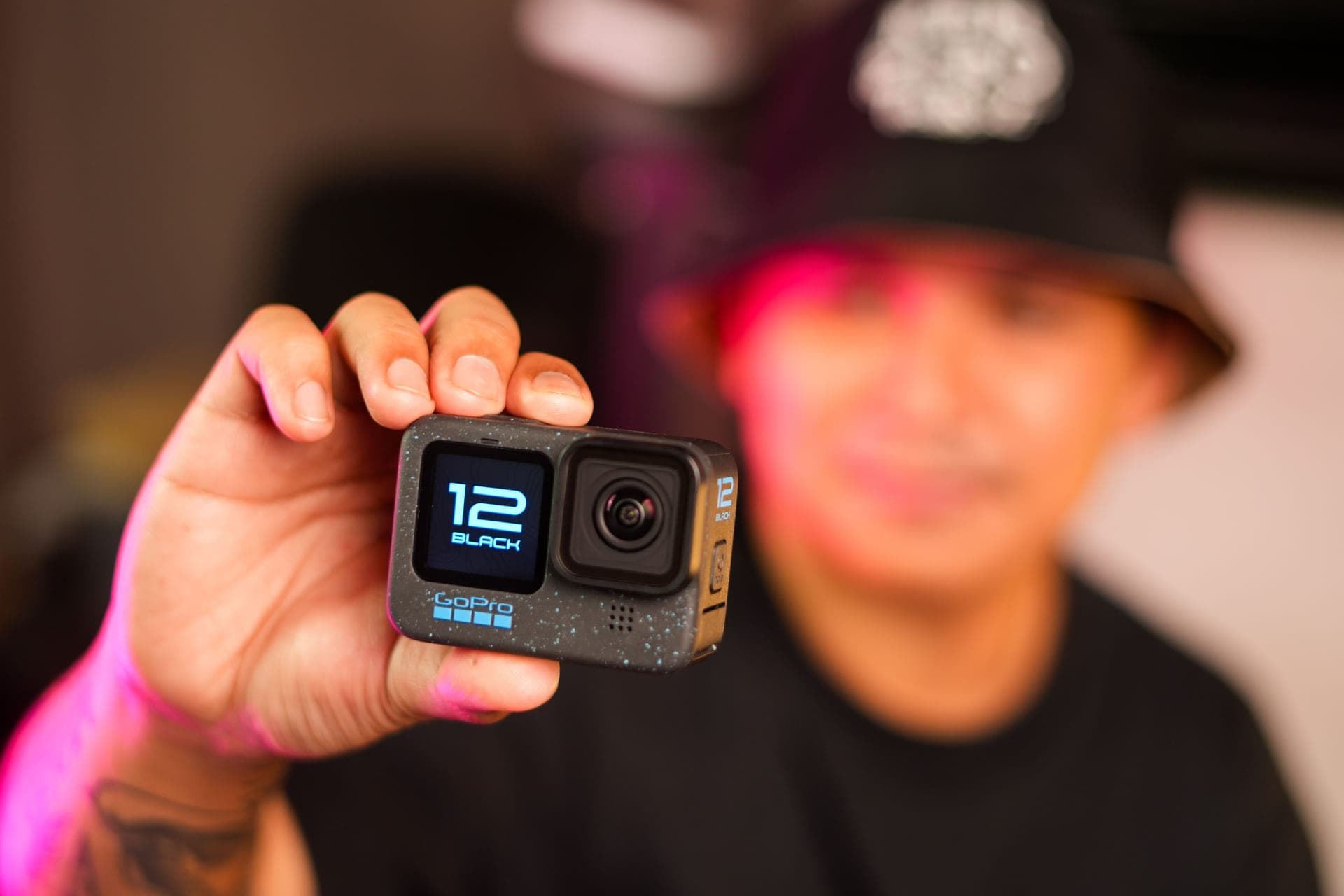 Insta360 Ace Pro 2 The best-looking image of the three flagships, with a flip screen that finally makes a chest-mounted shot something you can frame. | Family trips where you want the footage to look like more than dashcam clips | 8.6/ 10 |
Scores are our editorial judgment from published specs and named independent reviews, weighted for lake and trail use — not measurements. We have not tested these units and do not own them.
02
How we picked
We do not lab-test, bench-test or dive-test cameras, and we do not own test units. What we do instead is read the manufacturer's published specifications, read the independent reviews that genuinely do test, read owner reports for the failure modes specs never mention — fogging, salt corrosion, cold battery collapse, mount slippage — and then weight all of it for action cameras used on lake and trail. Where a number is not published, the page says “not published” rather than filling the cell.
The full method, including what we refuse to do, is on the editorial policy page.
- 30%Water survival
- Rated depth without a case, door design, and what the manufacturer actually publishes.
- 25%Stabilization in chop
- A kayak deck and a rooty trail shake in ways a handheld walk test never shows.
- 20%Battery in the cold
- Published runtime, spare-battery cost, and whether it charges while recording.
- 15%Mount ecosystem
- Finger mount, threaded, magnetic — and how much of it you have to re-buy.
- 10%Footage you will keep
- Lens replaceability, low-light behavior, and how much cutting the footage needs.
Why hiking is a different problem from riding
On a bike or a kayak the camera is mounted and running for long stretches. On a hike it is off in a pocket for hours and on for ninety seconds at a viewpoint. That inverts what matters.
Weight becomes the first specification. Over 15 miles, 150 grams is noticeable, and more importantly a bulky camera is a camera you stop taking out. The Insta360 GO Ultra at 53g leads this list for exactly that reason.
Standby drain matters more than recording runtime. Published figures describe continuous recording, which is not what a hiking camera does. What you care about is whether it still has charge after eight hours of being switched on and off.
Stabilization matters less. Walking is slow and smooth. Every camera here handles it, and the gap that decides mountain bike footage is largely irrelevant here.
Cold, and where to keep the spare
Hiking goes uphill, and uphill goes cold. Lithium cells lose usable capacity as temperature drops, which is why the published figures matter: DJI states -20°C to 45°C for both Osmo bodies, and GoPro states full camera functionality down to 14°F (-10°C) with the Enduro battery.
Those numbers describe the camera continuing to work — they are not a promise of full capacity. The practical fix is free: keep the spare battery in an inside pocket against your body, not in the pack lid. A warm spare swapped into a cold camera restores most of a day. The power guide covers the rest.
How to carry it so you actually use it
The single biggest failure on a hike is a camera buried in a pack. If getting it out takes thirty seconds, the moment is gone and by the third time you stop trying.
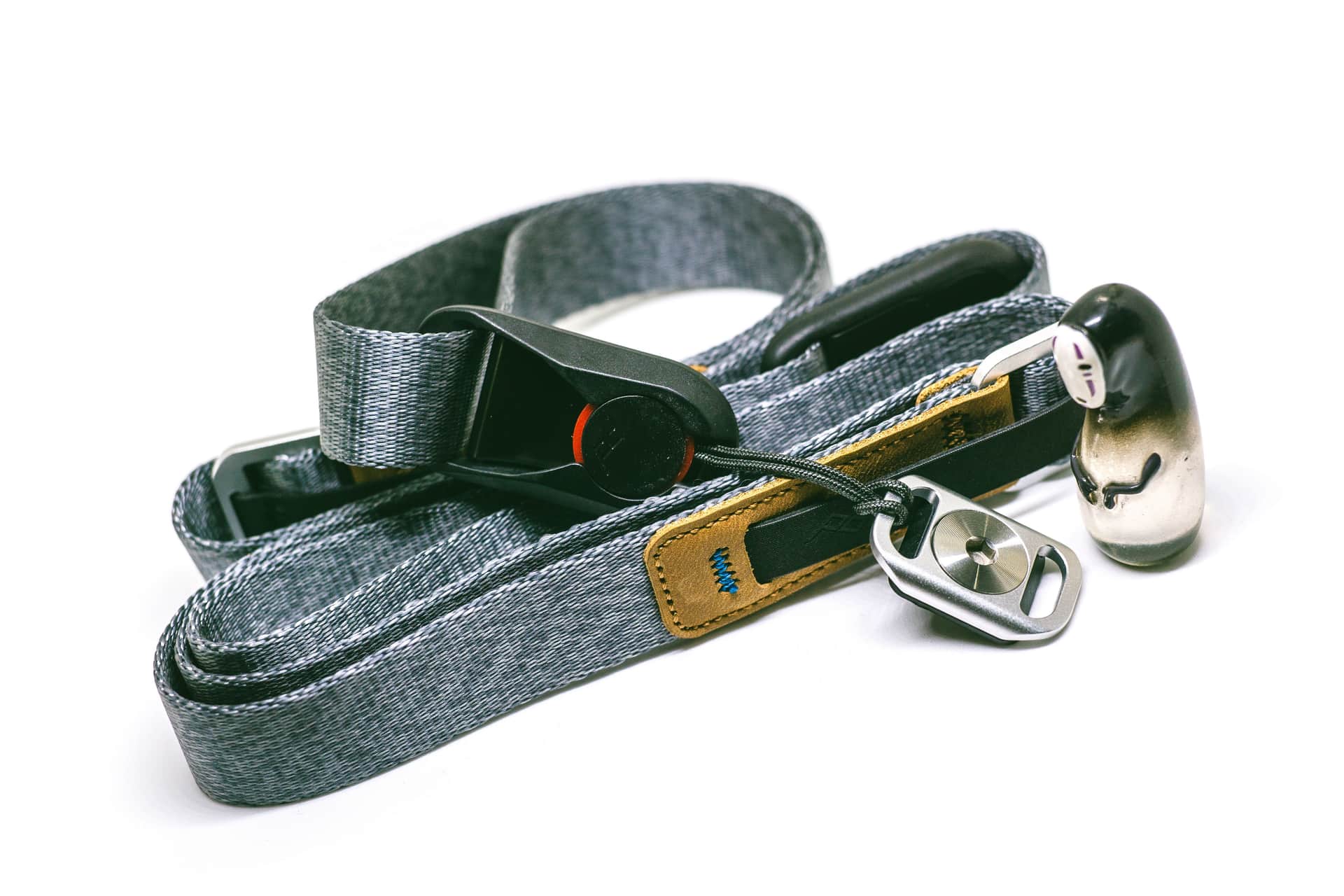
A pack strap clip or chest mount. The best answer. Camera at chest height, visible, reachable in a second, and pointing roughly where you are going. Chest mounts covers the hardware.
A hip belt pocket. Second best. Fast enough, protected, and it keeps the weight off your shoulders.
A trekking pole. Underrated. A pole with a 1/4-20 fitting at the top becomes a monopod for a steady shot and a low-angle rig for a walking-past shot, and you were carrying it anyway.
Water, on a hike
Rain, river crossings, and dropping it in a stream while filling a bottle. A 10m bare rating covers all of that without thought; the 16ft (5m) rating on the small GoPro HERO covers rain and makes a river crossing a decision.
If your hiking involves actual water — canyoning, packrafting, coastal scrambling — treat it as a water purchase and read the waterproof roundup instead.
Storage for a multi-day walk
A 128GB card is a comfortable week if you shoot in short bursts. The thing people get wrong is not capacity but offloading: there is no laptop on a thru-hike, so take two cards and switch at the halfway point. A failed card should never cost you the whole trip, and cards are cheap relative to the walk.
03
Every pick, in detail
- IPX8 to 33ft (10m), camera only
- 53g
- Up to 170 min with the Action Pod
- 7.0
- 8.0
- 7.5
- 8.0
- 8.0
Insta360 GO Ultra
Insta360
53 grams and IPX8 to 10m on its own — the camera you actually clip on for a paddle instead of leaving in the dry bag.
Hands-free clips where a full-size camera would never leave the bag
53 grams. On a hike that number outranks almost everything else on the page, because the camera that comes with you produces all of the footage and the one that stayed at home produces none. Clipped to a pack strap it is genuinely forgettable, which is exactly what you want over eight hours.
- 53g means it goes on a hat brim, a PFD strap or a chest magnet and you forget it is there
- IPX8 to 10m for the camera itself, with a 1/1.28" sensor that is far larger than the size suggests
- Action Pod adds a flip screen and the long runtime when you want it
- Removable microSD, so you are not stuck with fixed onboard storage
- The Action Pod is not rated to the same depth as the camera — read the two ratings separately
- Magnetic mounting is convenient but is not a mechanical lock in real chop
- No interchangeable lens cover, so a scratch is permanent
Specs from Insta360 GO Ultra published specifications.
- 20m bare / 60m with case
- 1950mAh · 240 min at 1080p24
- -20° to 45°C
- 9.5
- 9.0
- 9.5
- 8.0
- 9.0
DJI Osmo Action 5 Pro
DJI
Goes to 20m with no housing at all and publishes a 240-minute runtime — the two numbers that decide a long, wet, cold day.
Long paddles, cold water, and anyone tired of buying a housing to get past 10m
The pick for multi-day and cold-weather hiking. 240 published minutes and a -20°C operating range mean it survives a long day and a cold night without a battery hunt, and 20m bare means river crossings and rain are not events.
- 20m without the Waterproof Case — double the bare-camera depth of the HERO13 Black
- DJI publishes 240 minutes of recording at 1080p/24 with screens off, the longest figure in this set
- Rated to -20°C, which matters more on an October lake than any resolution number
- 1/1.3-inch sensor holds detail when the light goes flat
- Mount ecosystem is smaller than GoPro's, and magnetic quick-release adapters are their own purchase
- 146g — the heaviest of the flagship three
- Fewer third-party mounts and filters exist for it
Specs from DJI Osmo Action 5 Pro published specifications.
- 33ft (10m), no housing
- 1900mAh Enduro
- 1.5h at 5.3K30 / 2.5h at 1080p30
- 8.0
- 9.5
- 8.5
- 9.5
- 9.0
GoPro HERO13 Black
GoPro
The safest default for lake and trail: 33ft without a housing, the steadiest footage in the category, and a mount for literally everything.
Anyone who wants one camera to handle the kayak, the bike and the family trip
The all-rounder. Best stabilization for the sections where you are moving fast, the largest mount ecosystem for a pack strap or a trekking pole, and the Enduro battery's published 14°F figure for winter walking.
- HyperSmooth 6.0 with AutoBoost is the steadiest stabilization we can find published figures for
- Built-in mounting fingers plus 1/4-20 threads — it fits the GoPro ecosystem and a normal tripod
- Enduro battery is rated to keep full camera functionality down to 14°F (-10°C)
- Replaceable lens cover, so a scratched lens is a $20 problem and not a $400 one
- 33ft is shallower than the DJI and it is the shallowest of the three flagships
- Anything past 33ft needs the separate Protective Housing
- HB-Series lenses and ND filters are all extra purchases
Specs from GoPro HERO13 Black published specifications.
- 16ft (5m)
- 4K30, 2.7K60 slo-mo
- Built in, not user-removable
- 6.0
- 7.5
- 6.0
- 9.0
- 7.0
GoPro HERO (2024)
GoPro
The cheapest real GoPro, and the one whose 16ft rating you have to take seriously before you take it snorkeling.
A first camera, a kid's camera, or a second angle that mounts anywhere
Small, cheap and genuinely pocketable. Two things to weigh on a hike: the 16ft rating is fine for rain and poor for a river crossing, and the built-in battery means a power bank rather than a spare.
- Genuinely tiny — 46% less mass than HERO13 Black
- Built-in mounting fingers, and GoPro lists it as compatible with 35+ mounts
- HyperSmooth stabilization at the lowest GoPro price
- Simple enough to hand to someone who has never used one
- 16ft (5m) is a snorkel-adjacent rating, not a diving one
- The battery is built in — you cannot carry a spare, you carry a power bank
- 4K30 is the ceiling; no 4K60, no high-frame-rate 4K
Specs from GoPro HERO published specifications.
- 39ft (12m) / 60m with dive case
- 1800mAh · 180 min published
- 1/1.3" with Leica lens
- 8.5
- 8.5
- 9.0
- 7.5
- 9.5
Insta360 Ace Pro 2
Insta360
The best-looking image of the three flagships, with a flip screen that finally makes a chest-mounted shot something you can frame.
Family trips where you want the footage to look like more than dashcam clips
The best-looking footage of the group, and the most capable in the last hour of light under tree cover — which is when hiking footage is usually most worth taking. Heavier than the cameras above it, which on a long walk is the whole argument.
- 8K30 with a 1/1.3-inch sensor — the most detail in the group
- 12m bare, which clears every snorkel depth without a housing
- 180-minute published battery life and 80% charge in 18 minutes
- Flip screen means you can frame a shot you are standing in front of
- 12m is still short of the DJI's 20m
- The dive case is a separate purchase for anything past 12m
- Fewer mount options than GoPro, and an adapter tax if you switch
Specs from Insta360 Ace Pro 2 published specifications.
04
What decides this category
Weight, treated as a primary specification
Over a long day, lighter genuinely wins. It is the reason a 53-gram camera outranks bodies with better sensors on this particular list, and it is not a compromise — it is the correct weighting for the activity.
Battery, measured in standby rather than runtime
Published runtimes describe continuous recording. For hiking, what matters is that the camera still works at hour seven after being switched on and off twenty times. Removable batteries win here, because a swap is instant.
A published cold figure
DJI states -20°C; GoPro states 14°F for the Enduro battery. Insta360 does not publish an equivalent for the GO Ultra or Ace Pro 2, so we do not compare them on it. If you walk in winter, prefer a stated number.
Something to clip it to
Budget for a chest mount, a strap clip or a pole fitting alongside the camera. A hiking camera without a carry solution ends up in a pack, and a camera in a pack does not get used.
What we would skip
A 360 camera, for most hikers. The reframing work is real and hiking footage is rarely improved by it — the interesting moments are in front of you, and you have time to aim. Also skip an external microphone: wind on a ridge defeats it.
05
Questions people actually ask
01What is the best action camera for hiking?
The Insta360 GO Ultra if weight is the priority — at 53g it actually comes with you. The DJI Osmo Action 5 Pro if you want one camera for long, cold, multi-day walks.
02Do I need an action camera for hiking, or is my phone enough?
For a normal day hike, a phone is genuinely fine and better in low light. The action camera earns its place for river crossings, rain, hands-free chest-mounted footage and anywhere you would not want to hold a phone.
03How do I stop the battery dying on a long hike?
Carry a spare in an inside pocket against your body — cold is what drains it, not use. Shoot in short bursts rather than leaving it recording, and turn the screen timeout down.
04Where should I carry an action camera while hiking?
On a pack strap or a chest mount, where it is visible and reachable in a second. A camera in a pack stops getting used by the third viewpoint.
05Why is my hiking footage boring?
Because it points forwards along a path, and paths look alike. Film yourself arriving somewhere instead: set the camera on a rock, walk past it, pick it up. Ten seconds of that beats an hour of trail.
06
Read this next
Best chest mounts
The carry solution that decides whether a hiking camera gets used.
Batteries and power banks
What to carry for a long day, and where to keep it in the cold.
Best action cameras for skiing
The colder version of the same battery problem.
Best action cameras for mountain biking
Where stabilization becomes the whole decision instead.
Editing a trip video people watch
How to come home with fifteen usable minutes instead of four hours.
07
Sources
- Insta360 GO Ultra published specifications
- DJI Osmo Action 5 Pro specifications
- GoPro Enduro Battery (HERO13 Black) product page
- GoPro HERO13 Black published specifications
- GoPro HERO published specifications
- Insta360 Ace Pro 2 published specifications
Specifications are quoted from the manufacturer pages above as they read on the dates shown. Where a figure is not published, this site says so rather than estimating one. We have not tested these products.