The best action camera for camping
Three days from an outlet, cold at 6am, kids at the fire by eight. Runtime and cold rating decide this one long before image quality does.
Part of On the Trail.
We earn a commission if you buy through our links, at no extra cost to you. It never changes what we recommend or the order we rank it in — how this works.
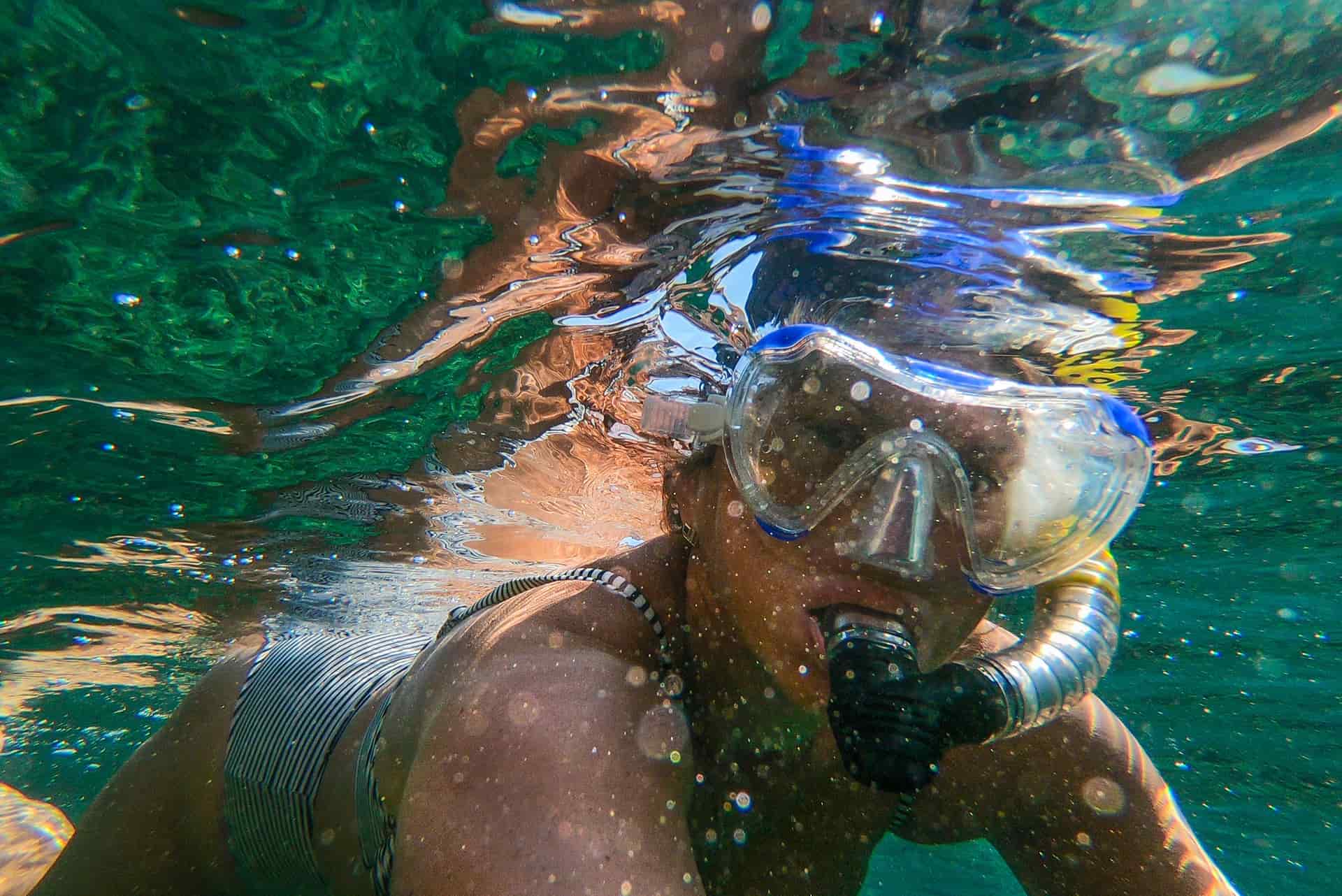
The DJI Osmo Action 5 Pro is the best action camera for camping, because a camping trip is a battery problem before it is anything else: DJI publishes 240 minutes of recording at 1080p/24, a removable 1950mAh battery and a -20° to 45°C operating range, which is the only camera-level cold figure in this group. It is also rated to 20m bare, which covers the lake, the river and the rain. The GoPro HERO13 Black is the pick if you want the camera to mount to everything at camp and own the biggest accessory ecosystem, and the Insta360 GO Ultra is the pick for the parts of a trip when nobody wants to hold a camera — 53g clipped to a hat brim while you put the tent up. Whichever body you choose, the two purchases that actually change a camping trip are a spare battery and a power bank.
01
Quick picks
| # | Product | Best for | Score | Price |
|---|---|---|---|---|
| 01 | 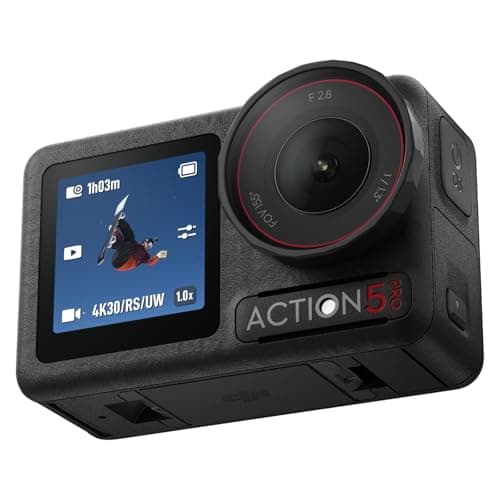 DJI Osmo Action 5 Pro Goes to 20m with no housing at all and publishes a 240-minute runtime — the two numbers that decide a long, wet, cold day. | Long paddles, cold water, and anyone tired of buying a housing to get past 10m | 9.1/ 10 | |
| 02 | 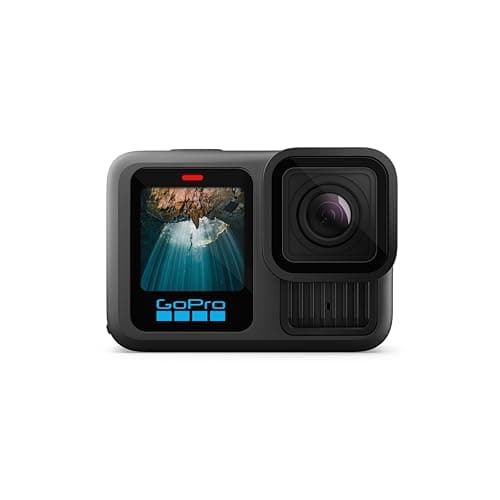 GoPro HERO13 Black The safest default for lake and trail: 33ft without a housing, the steadiest footage in the category, and a mount for literally everything. | Anyone who wants one camera to handle the kayak, the bike and the family trip | 8.8/ 10 | |
| 03 | 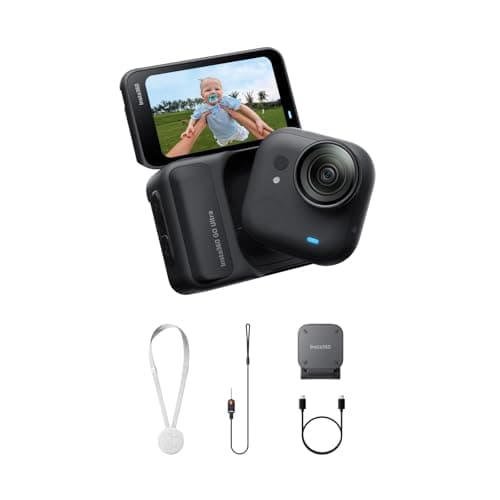 Insta360 GO Ultra 53 grams and IPX8 to 10m on its own — the camera you actually clip on for a paddle instead of leaving in the dry bag. | Hands-free clips where a full-size camera would never leave the bag | 7.6/ 10 | |
| 04 | 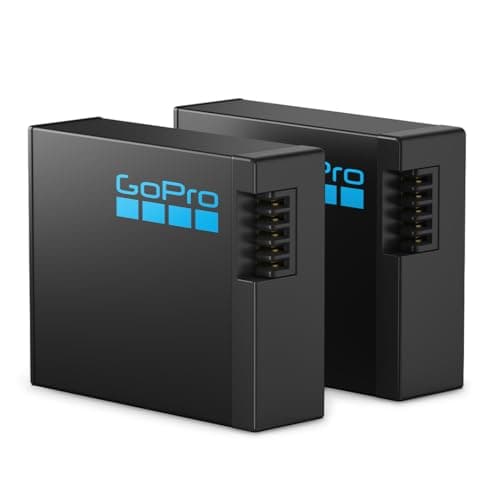 GoPro Enduro Battery (HERO13 Black) 1900mAh, and GoPro publishes full camera functionality down to 14°F — the only battery claim on this page that names a temperature. | Cold-water days, and anyone who has watched a camera die at 40 minutes | 8.8/ 10 | |
| 05 |  Anker PowerCore Select 10000 10,000mAh in 211 grams — enough to refill a camera several times, small enough that it actually comes with you. | Multi-day trips, and cameras whose battery is not removable | 8.2/ 10 |
Scores are our editorial judgment from published specs and named independent reviews, weighted for lake and trail use — not measurements. We have not tested these units and do not own them.
02
How we picked
We do not lab-test, bench-test or dive-test cameras, and we do not own test units. What we do instead is read the manufacturer's published specifications, read the independent reviews that genuinely do test, read owner reports for the failure modes specs never mention — fogging, salt corrosion, cold battery collapse, mount slippage — and then weight all of it for action cameras used on lake and trail. Where a number is not published, the page says “not published” rather than filling the cell.
The full method, including what we refuse to do, is on the editorial policy page.
- 30%Water survival
- Rated depth without a case, door design, and what the manufacturer actually publishes.
- 25%Stabilization in chop
- A kayak deck and a rooty trail shake in ways a handheld walk test never shows.
- 20%Battery in the cold
- Published runtime, spare-battery cost, and whether it charges while recording.
- 15%Mount ecosystem
- Finger mount, threaded, magnetic — and how much of it you have to re-buy.
- 10%Footage you will keep
- Lens replaceability, low-light behavior, and how much cutting the footage needs.
What we ranked on, and why camping is its own problem
Most camera advice assumes you sleep near an outlet. Camping breaks that assumption, and four criteria follow from it.
Published runtime, weighted hardest. Not battery capacity — runtime, with the conditions attached. Every manufacturer quotes its best case at a low resolution with the screens off, which is why this site always prints the conditions next to the number. On a trip where the nearest charger is Tuesday, the gap between 90 minutes and 240 minutes is the gap between footage on the last day and a dead camera in a bag.
A published cold rating, second. Camping mornings are the coldest hours of a trip and they are also the best-looking ones. Cold costs every lithium cell capacity, and the manufacturers that state a temperature are telling you something the ones that stay quiet are not. DJI publishes -20° to 45°C for the camera; GoPro publishes 14°F (-10°C) for the Enduro battery's full functionality; Insta360 publishes no operating temperature at all for these bodies.
Removable batteries, third. A swappable cell turns a dead camera into a ten-second problem. A built-in battery turns it into a charging session you have to plan around, which is the one thing a built-in-battery camera costs you on a multi-day trip.
Water with no housing, fourth. Camping is rain on a tent, a camera left on a rock, a swim at the end of a hot walk. Every camera here survives all of that without a case, which also means no fogging risk in cool-morning air — fogging and overheating covers why a housing is often the thing that ruins the shot.
Resolution is deliberately not in that list. It is the last specification that matters here and how to choose an action camera explains the ordering in full.
| Camera | Published runtime | Cold rating | Removable battery | Bare water rating |
|---|---|---|---|---|
| DJI Osmo Action 5 Pro | 240 min at 1080p24, screens off | -20° to 45°C (camera) | Yes, 1950mAh | 20m |
| GoPro HERO13 Black | Over 2.5h at 1080p30 / over 1.5h at 4K30 and 5.3K30 | Enduro battery: full function to 14°F (-10°C) | Yes, 1900mAh Enduro | 33ft (10m) |
| Insta360 GO Ultra | Up to 170 min with the Action Pod | Not published | Not on the camera itself | IPX8 to 33ft (10m), camera only |
The power plan, which is the whole trip
Work this out before you leave and the rest of the camera decision gets easy.
One body, two spare batteries, one bank. That is the setup that covers a three-day trip for almost everyone. Spares are the fast fix and the bank is the overnight one; between them you never wait on a camera.
Charge in the evening, in the tent. Cold batteries charge badly and a bank left in a car overnight delivers less in the morning. Both live inside with you.
Shoot at 4K30 or 1080p60 and keep the screens off. The published runtimes exist at low resolutions with the displays dark for a reason, and at a campsite the difference in the footage is invisible. 4K vs 5.3K vs 8K has the arithmetic on what the higher modes really cost in card space and battery.
Do not plan around solar. A panel that charges a camera battery meaningfully is heavier and more expensive than the spare batteries it replaces, and it needs the one thing a camping weekend does not guarantee.
What to film at a campsite
Camping footage goes unwatched for a predictable reason: it is mostly people sitting down. Four things fix that.
Time lapse the setup and the sky. Pitching a tent is twenty minutes of nothing and fifteen seconds of excellent footage. The same is true of clouds over a ridge and the fire burning down. Time lapse vs TimeWarp has the intervals and the battery cost, and this is the one camping mode worth planning a charged battery around.
Shoot the walk, not the sitting. The hike to the water, the trip to collect wood, the kids running back from the river — movement is what makes a trip look like a trip. Filming POV with kids covers the angles that work when children are doing the moving.
Low light is the real camping condition. Dawn, dusk and firelight are when a campsite looks best and when every small sensor struggles most. Drop the frame rate to 30 or 24fps, keep the camera still on something solid, and expect noise — the low-light roundup ranks the field on published sensor size.
Clips of thirty seconds, started by hand. A camera left running at a campsite produces hours of nothing and a dead battery. Film when something happens.
What to skip
A housing. Every camera here is rated for rain and a swim on its own, and a case fogs exactly when a cool morning meets a warm hand. See do you need a protective housing for the three cases that genuinely need one.
The 8K setting. It costs card space and battery for detail that no phone or television in a normal house can display, and battery is the one thing you cannot buy more of at a campsite.
A gimbal. Heavy, fragile, another thing to charge, and modern in-camera stabilization covers everything a campsite asks for — do you need a gimbal makes the case properly.
A camera with a built-in battery as your only body. Fine as a second angle, genuinely limiting as the one camera on a three-day trip.
03
Every pick, in detail
- 20m bare / 60m with case
- 1950mAh · 240 min at 1080p24
- -20° to 45°C
- 9.5
- 9.0
- 9.5
- 8.0
- 9.0
DJI Osmo Action 5 Pro
DJI
Goes to 20m with no housing at all and publishes a 240-minute runtime — the two numbers that decide a long, wet, cold day.
Long paddles, cold water, and anyone tired of buying a housing to get past 10m
Top pick, on the two figures a trip measured in days actually leans on. 240 published minutes at 1080p/24 with the screens off is the longest runtime figure in the category, and the -20° to 45°C range is a claim about the whole camera rather than about a battery. A frosted morning at a campsite is exactly where cameras quietly stop working, and this is the one that states a number for it.
20m bare matters more at a campsite than it sounds: rain on the tent, a camera on a rock by the river, a kid taking it into the lake while you make lunch. No housing means no fogging in the cool-morning, warm-hand conditions that cause it. The 1/1.3-inch sensor is also the one that handles the two best times of day at a campsite, which are both the ones with almost no light.
Honest cons: 146g is the heaviest body here, the mount ecosystem is smaller than GoPro's and the magnetic quick-release adapters are their own purchase, and the price sits at the top of the category. The full specification read has every published figure, and the newer Osmo Action 6 adds a variable aperture without changing any of the numbers that matter here.
- 20m without the Waterproof Case — double the bare-camera depth of the HERO13 Black
- DJI publishes 240 minutes of recording at 1080p/24 with screens off, the longest figure in this set
- Rated to -20°C, which matters more on an October lake than any resolution number
- 1/1.3-inch sensor holds detail when the light goes flat
- Mount ecosystem is smaller than GoPro's, and magnetic quick-release adapters are their own purchase
- 146g — the heaviest of the flagship three
- Fewer third-party mounts and filters exist for it
Specs from DJI Osmo Action 5 Pro published specifications.
- 33ft (10m), no housing
- 1900mAh Enduro
- 1.5h at 5.3K30 / 2.5h at 1080p30
- 8.0
- 9.5
- 8.5
- 9.5
- 9.0
GoPro HERO13 Black
GoPro
The safest default for lake and trail: 33ft without a housing, the steadiest footage in the category, and a mount for literally everything.
Anyone who wants one camera to handle the kayak, the bike and the family trip
The pick if the camera is going to live on things rather than in your hand. A campsite is a pile of mounting opportunities — a tent pole, a cooler lid, a branch, a handlebar, a chest harness — and built-in folding fingers plus a 1/4-20 thread means the HERO13 fits all of them with nothing bought in between. The accessory catalog is the one every third-party clamp maker designs around.
GoPro publishes over 2.5 hours at 1080p30 and over 1.5 hours at 4K30 and 5.3K30, which is a long evening of short clips, and the Enduro battery is rated for full camera functionality down to 14°F (-10°C). Spares are pocket-sized and cheap, which on a camping trip is worth more than any single runtime number.
The trade is depth and the cold claim's scope: 33ft (10m) bare is the shallowest flagship rating, and GoPro's cold figure describes the battery rather than the camera. Neither matters much at a campsite unless the trip involves real diving or real winter.
- HyperSmooth 6.0 with AutoBoost is the steadiest stabilization we can find published figures for
- Built-in mounting fingers plus 1/4-20 threads — it fits the GoPro ecosystem and a normal tripod
- Enduro battery is rated to keep full camera functionality down to 14°F (-10°C)
- Replaceable lens cover, so a scratched lens is a $20 problem and not a $400 one
- 33ft is shallower than the DJI and it is the shallowest of the three flagships
- Anything past 33ft needs the separate Protective Housing
- HB-Series lenses and ND filters are all extra purchases
Specs from GoPro HERO13 Black published specifications.
- IPX8 to 33ft (10m), camera only
- 53g
- Up to 170 min with the Action Pod
- 7.0
- 8.0
- 7.5
- 8.0
- 8.0
Insta360 GO Ultra
Insta360
53 grams and IPX8 to 10m on its own — the camera you actually clip on for a paddle instead of leaving in the dry bag.
Hands-free clips where a full-size camera would never leave the bag
The camera that actually gets used for the unglamorous two-thirds of a camping trip. At 53g it clips to a hat brim, a jacket strap or a magnet under a shirt, and then you forget it is there — which means it films pitching the tent, cooking, the walk to the water and the kids doing something you would never have had a camera ready for. A full-size body stays in the bag for all of that.
IPX8 to 33ft (10m) for the camera itself covers rain and a dunk, the 1/1.28-inch sensor is far larger than the size suggests, and the Action Pod adds a flip screen plus up to 170 minutes of runtime when you want the long version.
Read the two water ratings separately — the Action Pod is not rated to the same depth as the camera — and treat the magnetic mounting as convenience rather than a mechanical lock. There is no interchangeable lens cover either, so a scratch is permanent. The GO Ultra specification read has the detail.
- 53g means it goes on a hat brim, a PFD strap or a chest magnet and you forget it is there
- IPX8 to 10m for the camera itself, with a 1/1.28" sensor that is far larger than the size suggests
- Action Pod adds a flip screen and the long runtime when you want it
- Removable microSD, so you are not stuck with fixed onboard storage
- The Action Pod is not rated to the same depth as the camera — read the two ratings separately
- Magnetic mounting is convenient but is not a mechanical lock in real chop
- No interchangeable lens cover, so a scratch is permanent
Specs from Insta360 GO Ultra published specifications.
- 1900mAh
- Full functionality down to 14°F (-10°C)
- 1.5h at 5.3K30 / 2.5h at 1080p30
- 8.5
- 9.5
- 8.0
- 9.5
- 9.0
GoPro Enduro Battery (HERO13 Black)
GoPro
1900mAh, and GoPro publishes full camera functionality down to 14°F — the only battery claim on this page that names a temperature.
Cold-water days, and anyone who has watched a camera die at 40 minutes
The cheapest meaningful upgrade to a camping trip, and the only battery on this site that publishes a temperature: 1900mAh with full camera functionality down to 14°F (-10°C). Two spares in a jacket pocket beat any charging arrangement, because they work at 6am with no sun and no outlet. It is a GoPro part, so it is the HERO13 Black answer specifically; third-party batteries covers what you give up going cheaper, and battery life compared puts every published figure side by side.
- The published cold figure is the reason to buy this instead of a third-party cell
- Same runtime figures GoPro quotes for the camera itself
- Swappable in seconds, which a built-in battery never is
- Two spares is still cheaper than any power bank setup
- Only fits HERO13 Black and the MISSION 1 series — check before you buy
- Costs several times what an unbranded cell does
- Cold still shortens it; the rating is about functioning, not about full capacity
Specs from GoPro Enduro Battery (HERO13 Black) product page.
- 10000mAh
- 12W total
- 7.44oz (211g)
- 8.5
- 7.0
- 9.0
- 7.5
- 8.5
Anker PowerCore Select 10000
Anker
10,000mAh in 211 grams — enough to refill a camera several times, small enough that it actually comes with you.
Multi-day trips, and cameras whose battery is not removable
The pick for the morning of day three. 10,000mAh in 211g with 12W output refills a camera battery several times over a weekend, and on bodies that record while charging it can also run a long clip from a table at camp. It is not waterproof — it lives in the dry bag, not on the picnic bench — and cold costs it capacity like every other cell, so keep it in the tent rather than the car overnight. Power on long days has the charging-while-recording detail and the arithmetic on what a bank really gets you.
- Enough capacity for several full camera charges from one brick
- 211g is genuinely pocketable in a PFD or deck bag
- Dual USB-A outputs, so the camera and a phone charge together
- The only workable answer for cameras with a built-in battery
- 12W total output is slow — this tops up overnight, it does not fast-charge
- Micro-USB input, so you may be carrying a second cable type
- Not waterproof. It lives in a dry bag or it does not live long
Specs from Anker PowerCore 10K product page.
04
What decides this category
Buy the runtime figure, with its conditions
240 minutes at 1080p/24 with the screens off is not 240 minutes of 4K with the preview on. Read the conditions attached to every published number — they are the difference between planning and guessing.
Spend the last of the budget on batteries, not resolution
Two spare batteries cost a fraction of the step up to the next camera and change more about a camping trip than any sensor will.
One camera you forget you are wearing
The best camping clips are the ones nobody set up. That is an argument for weight, not for specifications.
What we would skip
Bundles that pad the price with a tripod, a chest strap and a case you will not use. Buy the body, the battery and the card, and add the one mount your trip actually needs.
05
Questions people actually ask
01What is the best action camera for camping?
The DJI Osmo Action 5 Pro, on its published 240 minutes at 1080p/24, its -20° to 45°C camera operating range and its 20m bare water rating — the three figures a trip away from an outlet actually leans on. The GoPro HERO13 Black is the alternative if you want the largest mount ecosystem, and the Insta360 GO Ultra is the one that gets used for the unglamorous parts of a trip.
02How do you keep an action camera charged while camping?
Two spare batteries plus a 10,000mAh power bank covers a three-day trip for most people. Swap batteries during the day, recharge from the bank in the evening, and keep both inside the tent overnight — cold costs every cell capacity and charging a cold battery is slow.
03Do action cameras work in cold weather?
Within their published ratings, yes. DJI states -20° to 45°C for the Osmo Action 5 Pro camera. GoPro states that the Enduro battery maintains full camera functionality down to 14°F (-10°C). Insta360 publishes no operating temperature for these bodies. Expect shorter real runtimes than the published figures in any case, and carry spares warm.
04Do I need a waterproof case for camping?
No. Every pick here is rated for water with no housing — 10m to 20m — which covers rain, spray and a swim. A case only matters if you plan to film well below the surface, and it adds a fogging risk in exactly the cool-morning conditions a campsite produces.
05What settings should I use for campfire and night footage?
Drop to 30 or 24fps so each frame gets more light, keep the camera on something solid, and accept noise rather than fighting it. A low frame rate is the largest low-light improvement available to you and it costs nothing; a time lapse of the fire or the stars is usually the better shot than video.
06Is an action camera good for family camping trips with kids?
Yes, and the lightest body usually wins. A 53g camera clipped to a hat gets the footage of children doing something unplanned, which is the footage people actually rewatch. Keep clips short, hand the camera over sometimes, and plan the battery around the time lapses rather than the video.
06
Read this next
Best action camera for hiking
The same trip on the move, ranked on weight and one-handed use.
Power on long days
Recording while charging, and what a power bank really gets you.
Action camera battery life compared
Every published runtime with the conditions attached.
Time lapse vs TimeWarp
The one camping mode worth planning a charged battery around.
Best action camera for family travel
The family version of the same decision, away from the campsite.
07
Sources
- DJI Osmo Action 5 Pro published specifications
- GoPro HERO13 Black published specifications
- Insta360 GO Ultra published specifications
- GoPro Enduro Battery (HERO13 Black) product page
- Anker PowerCore 10K product page
Specifications are quoted from the manufacturer pages above as they read on the dates shown. Where a figure is not published, this site says so rather than estimating one. We have not tested these products.