Bike and handlebar camera mounts
The bars are the easiest place to mount a camera and the shakiest place to film from. Here is what to do about that.
Part of Mounts.
We earn a commission if you buy through our links, at no extra cost to you. It never changes what we recommend or the order we rank it in — how this works.
01
Quick picks
| # | Product | Best for | Score | Price |
|---|---|---|---|---|
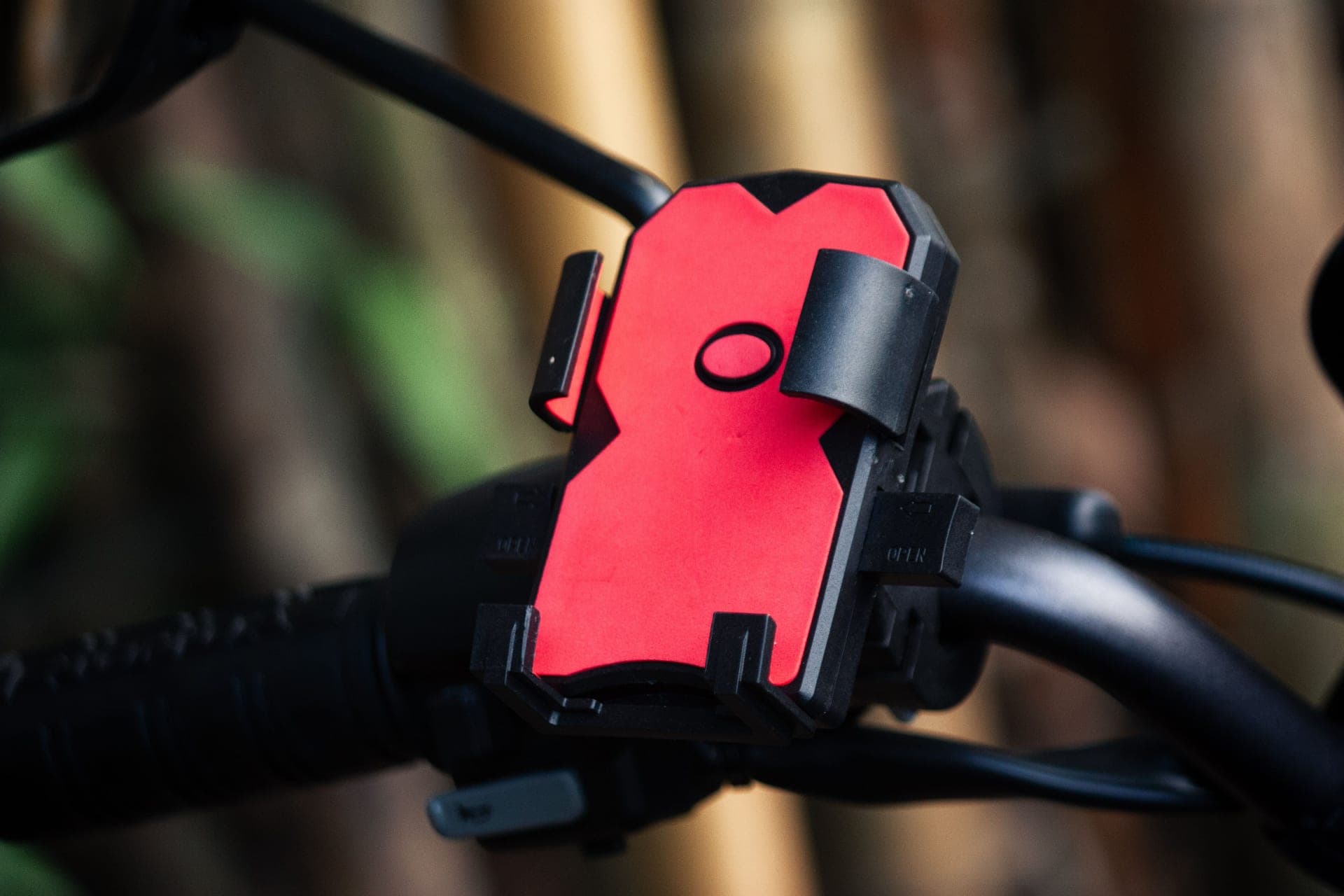
| 01 | GoPro Handlebar / Seatpost / Pole Mount Fits 9mm to 35mm tubes, which covers handlebars, seatposts, ski poles and — the reason it is here — most paddle shafts. | Bike bars, and the paddle-shaft shot nobody sells a dedicated mount for | 7.8/ 10 | |
| 02 | 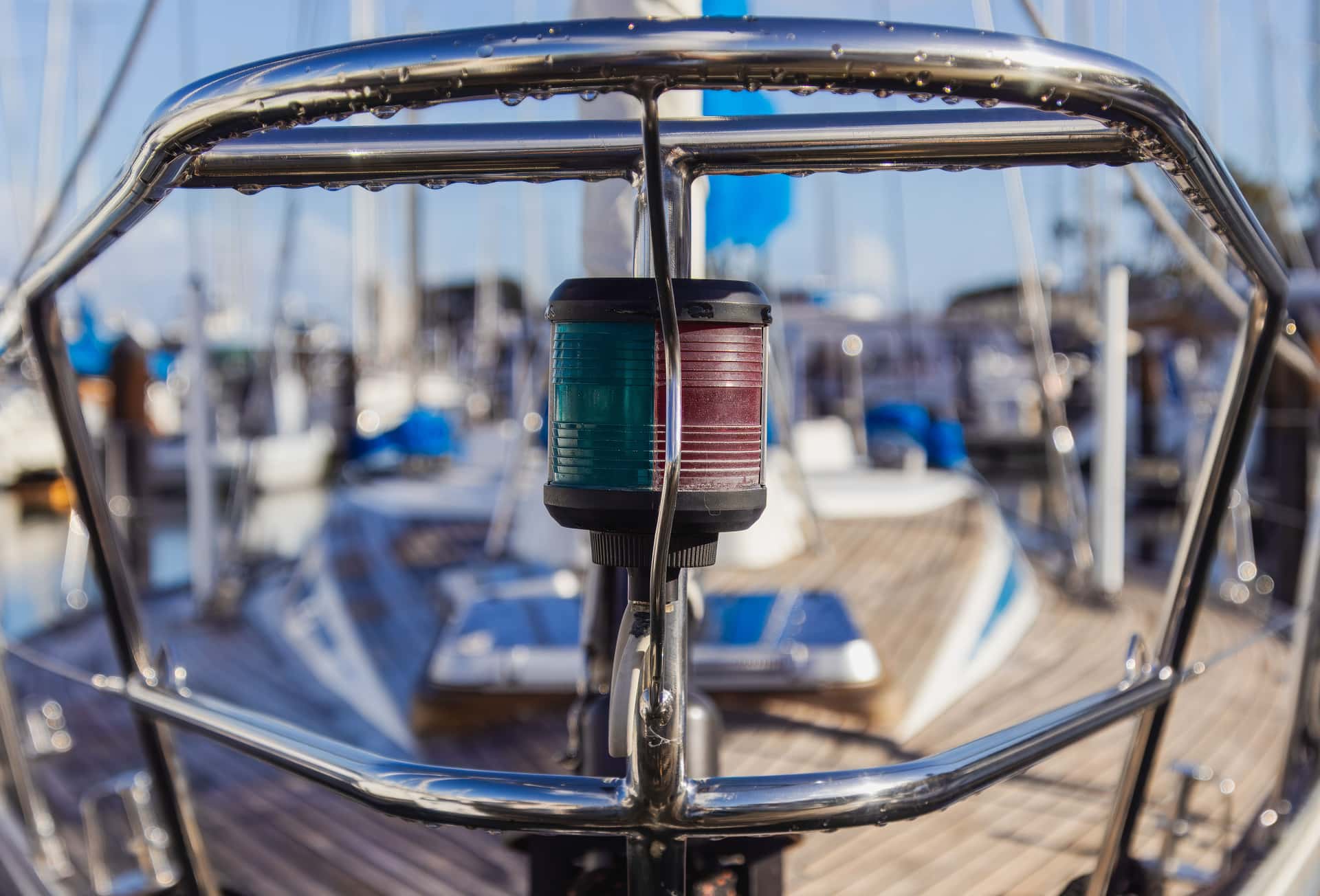 RAM Tough-Claw Clamp Mount with Action Camera Adapter Clamps to anything between 0.625in and 1.14in and does not care whether it is round, square or odd — the mount that solves the boats with no track. | Rails, bars, seat frames and anything you cannot or will not drill | 8.4/ 10 | |
| 03 | 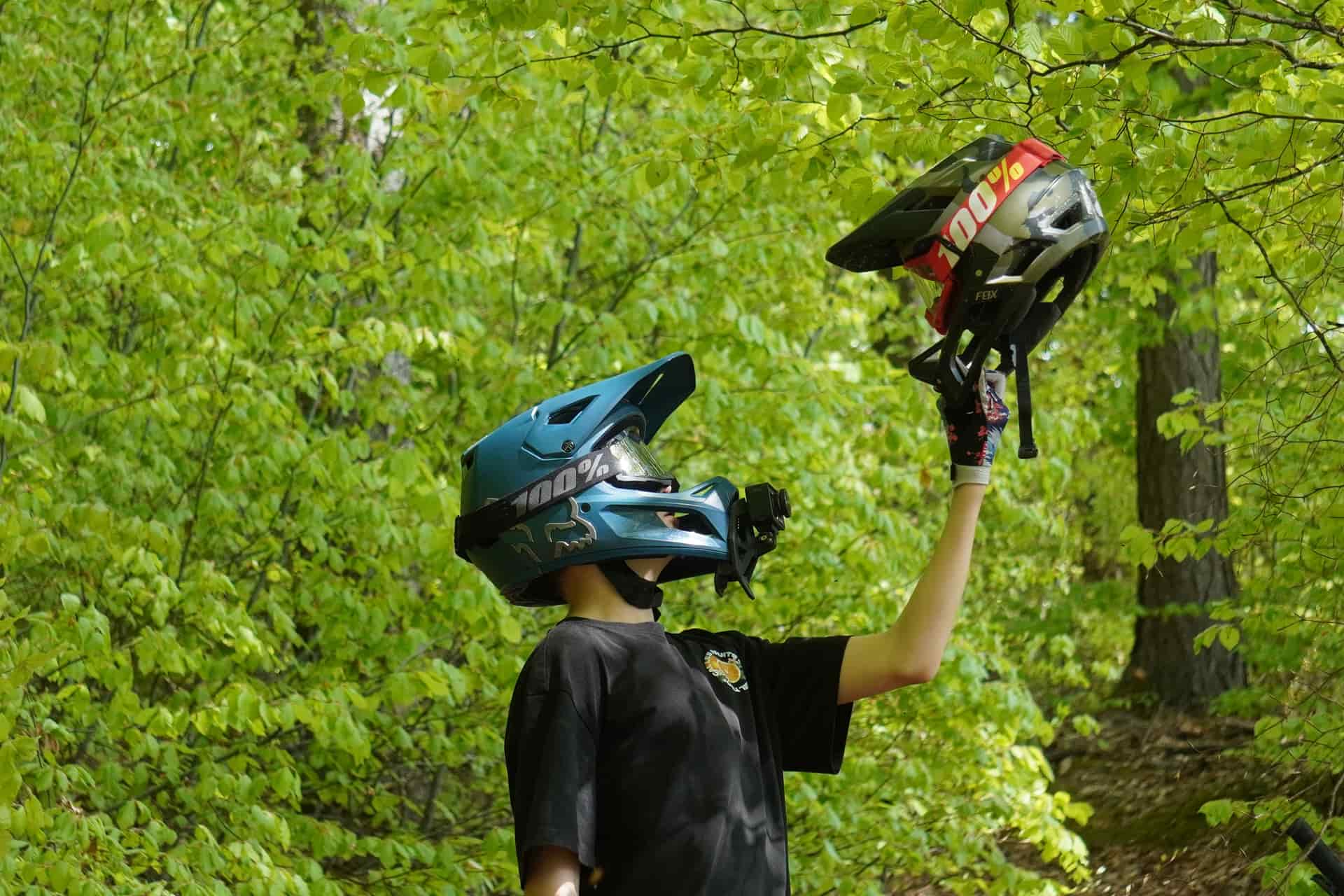 GoPro Helmet Front + Side Mount A swivel assembly and two curved adhesive pads — the only official way to get a side-of-helmet angle that is not a chin bar. | Bike and ski helmets where a top mount is too tall and a chest mount sees too little | 8.2/ 10 | |
| 04 |  GoPro Chesty Performance Chest Mount The mount that shows your hands — which on a kayak means the paddle, and on a bike means the trail arriving. | Paddling and riding footage where the hands are the story | 8.1/ 10 |
Scores are our editorial judgment from published specs and named independent reviews, weighted for lake and trail use — not measurements. We have not tested these units and do not own them.
02
How we picked
We do not lab-test, bench-test or dive-test cameras, and we do not own test units. What we do instead is read the manufacturer's published specifications, read the independent reviews that genuinely do test, read owner reports for the failure modes specs never mention — fogging, salt corrosion, cold battery collapse, mount slippage — and then weight all of it for mounts used on lake and trail. Where a number is not published, the page says “not published” rather than filling the cell.
The full method, including what we refuse to do, is on the editorial policy page.
- 35%Hold under load
- Vibration, chop and a wet hull are what actually break a mount.
- 25%Fit range
- Rail width, bar diameter, helmet curve — the spec that decides whether it fits at all.
- 20%Water and salt tolerance
- Stainless vs plated hardware, and what happens after a season of rinses.
- 12%Adjustability
- Getting the angle right on the water, with cold hands.
- 8%Tether point
- A mount with nowhere to clip a leash is a mount that loses cameras.
Four positions, and what each actually produces
| Position | Shows | Steadiness | Catch |
|---|---|---|---|
| Chest | Hands, bars, the trail arriving | Best — torso barely rotates | Cannot show you |
| Helmet | Where you are looking | Good — the neck damps impact | Manufacturer guidance; wind noise |
| Handlebar | Trail, very close and very fast | Worst — every impact goes through it | Flex in cheap clamps |
| Seatpost, rear-facing | You, riding, from behind | Moderate | Mostly shows your back |
Bar mounts are the default because they are obvious, and they are the shakiest option available. The handlebars take every impact the front wheel does, transmitted through a fork and a stem with nothing damping it. On flow trail that reads as dramatic; on chunk it reads as unwatchable.
If you are buying one mount for riding, buy a chest harness. Chest versus helmet covers the top two properly.
Diameter, because clamps are fussier than they look
Jaw ranges are narrow and specific, and a clamp that does not close is a clamp that does nothing.
The GoPro tube mount covers 0.35in to 1.4in (9 to 35mm), which handles most handlebars, seatposts and ski poles. The RAM Tough-Claw covers 0.625in to 1.14in, which is narrower but takes square and odd-shaped tubing as well as round.
Modern oversized bars run 31.8mm or 35mm at the clamp area and taper to 22.2mm at the grips. Measure where you actually want the camera, not at the stem — and note that a 35mm bar section is right at the top of the GoPro mount's range and outside the Tough-Claw's.
Where on the bike, specifically
Bars, inside the grips. The standard spot. Keep the camera as close to the stem as the clamp allows — the further out along the bar, the more the flex.
Stem or stem cap. Stiffer than the bars and centered, with a lower viewpoint. Needs a specific mount but produces noticeably steadier footage than a bar clamp.
Fork leg, low. Dramatic — the ground rushing past and the wheel working. It is also the most exposed position on the bike and the one most likely to meet a rock.
Seatpost, facing backwards. The closest a flat camera gets to filming you, and it mostly films your back. A 360 camera on a short pole does this job far better.
Chainstay or downtube. Low, fast-looking, and filthy within one ride. Fun occasionally, not a default.
Tighten it, then check it
Vibration backs fasteners out. Over an hour of trail, a thumb screw that felt tight becomes a camera slowly rotating on its mount — and stabilization cannot fix a horizon that walked forty degrees.
Two habits worth forming. Replace the supplied plastic thumb screw with a metal one, which lets you actually torque it. And check the angle after the first ten minutes of a ride, when everything has settled.
On a bike a tether matters less than on water — a dropped camera stays on the trail — but a cheap leash to the bars still turns a lost camera into a dragged one.
03
Every pick, in detail
- 0.35" to 1.4" (9 to 35mm) tubes
- 360-degree positioning
- Thumb screw, no tools needed
- 7.0
- 9.0
- 8.0
- 8.5
- 7.0
GoPro Handlebar / Seatpost / Pole Mount
GoPro
Fits 9mm to 35mm tubes, which covers handlebars, seatposts, ski poles and — the reason it is here — most paddle shafts.
Bike bars, and the paddle-shaft shot nobody sells a dedicated mount for
Fits 9mm to 35mm, which covers handlebars, seatposts and most touring bike tubing, and it is tool-free so you can move it mid-ride. The limit is the material: a plastic clamp flexes on rough ground, and that flex becomes wobble that stabilization then has to remove.
- The 9-35mm range is wide enough to cover bars, posts, poles and paddle shafts
- Tool-free, so you can move it mid-ride or mid-paddle
- Cheap enough to own two and leave one on the bike
- Rotates a full 360 degrees for the angle you actually want
- Plastic clamp — it will flex on a rough trail in a way an aluminum mount does not
- Oversized bars over 35mm are out of range
- On a paddle shaft it adds swing weight you will feel by the end of the day
Specs from GoPro Handlebar / Seatpost / Pole Mount product page.
- 0.625" to 1.14" outer diameter
- High-strength composite, stainless hardware
- Ball adapter, double socket arm, clamp base
- 8.5
- 7.5
- 8.5
- 9.5
- 7.0
RAM Tough-Claw Clamp Mount with Action Camera Adapter
RAM Mounts
Clamps to anything between 0.625in and 1.14in and does not care whether it is round, square or odd — the mount that solves the boats with no track.
Rails, bars, seat frames and anything you cannot or will not drill
The stiffer answer for rough riding. Stainless hardware, a ball-and-socket arm that genuinely holds position under vibration, and a jaw that takes round, square and odd-shaped tubing from 0.625in to 1.14in. Bigger and heavier than the plastic clamp, and on chunk that is the point.
- Fits round, square and odd-shaped rails in the same jaw
- Stainless hardware is the right call for anything that gets rinsed
- The RAM ball-and-socket arm holds an angle far better than a friction hinge
- No drilling, so it moves between boats, bikes and rails
- 0.625in to 1.14in is a narrow band — measure before you buy
- The composite version is not the stiffest option in the RAM range
- Three separate pieces means three things to lose
Specs from RAM Mounts Tough-Claw with Action Camera Adapter specifications.
- Swivel mount, 2 curved adhesive mounts
- Vertical mounting buckle and thumb screw
- Curved helmet shells
- 8.5
- 8.0
- 8.0
- 9.0
- 6.5
GoPro Helmet Front + Side Mount
GoPro
A swivel assembly and two curved adhesive pads — the only official way to get a side-of-helmet angle that is not a chin bar.
Bike and ski helmets where a top mount is too tall and a chest mount sees too little
Included because the best bike mount frequently is not on the bike. A helmet follows your eyeline and your neck damps impact, so the footage is steadier than anything bar-mounted. Check your helmet manufacturer's guidance first — see the helmet mount roundup.
- The swivel assembly means you set the angle once and ride, instead of guessing
- Curved adhesive pads are made for helmet shells rather than flat panels
- Side mounting keeps the camera out of the wind better than a top mount
- Industrial-strength waterproof adhesive from the same family as the curved and flat mounts
- Adhesive is a one-shot decision — get the position right before you press
- Removing it means heating the adhesive with a hair dryer
- Adds a side profile that some helmet certifications discourage; check yours
Specs from GoPro Helmet Front + Side Mount product page.
- Adjustable, fits over heavy winter jackets
- Quick-release buckle, usable with gloves
- Harness, vertical buckle, thumb screw
- 8.0
- 9.0
- 7.0
- 8.5
- 8.0
GoPro Chesty Performance Chest Mount
GoPro
The mount that shows your hands — which on a kayak means the paddle, and on a bike means the trail arriving.
Paddling and riding footage where the hands are the story
The steadiest of all, and the one that shows your hands and the bars together — which is what makes riding footage readable. If you are buying one mount for a bike, buy this one rather than a bar clamp.
- Padded and breathable, and genuinely adjustable across body types and layers
- The quick-release buckle works with gloves on, which matters in cold water
- Lower and steadier than a helmet mount — less head-turn, less nausea in the edit
- Shows the paddle stroke, which is the shot most people are actually trying to get
- A PFD over the top changes the angle, so set it up wearing what you will actually wear
- Sits low; on a sit-inside kayak it can end up framing mostly deck
- Nothing about it is waterproof — it gets wet and stays wet
Specs from GoPro Chesty product page.
04
What decides this category
Measure the tube where the camera will go
Not at the stem. Bars taper, and a 35mm clamp area is a different measurement from a 22.2mm grip section.
Stiffness over convenience on rough ground
A tool-free plastic clamp is genuinely convenient and genuinely flexes. For chunk, an aluminum or composite clamp with a ball-and-socket arm holds a line the plastic one does not.
A joint that locks rather than grips
Friction hinges creep under vibration. Ball-and-socket arms that clamp positively hold the angle you set.
Consider not mounting to the bike at all
The steadiest bike footage comes from your chest, and the most informative from your helmet. The bars are the most convenient position and the worst one.
What we would skip
A fork-leg mount as your only mount. It looks fantastic and it is the most exposed position on the bike — one rock strike and it is an expensive lesson.
05
Questions people actually ask
01What size handlebar do action camera mounts fit?
The GoPro tube mount covers 9 to 35mm; the RAM Tough-Claw covers 0.625in to 1.14in and also takes square tubing. Measure where the camera will sit, not at the stem — bars taper.
02Why is my handlebar camera footage so shaky?
Because the bars take every impact the front wheel does, with nothing damping it. A flexing clamp makes it worse. Move to a chest mount and the same camera looks like a different one.
03Where is the best place to mount a camera on a bike?
Your chest, for most footage — steadiest, and it shows your hands and the bars. The helmet for technical riding where line choice is the story. The bars only when you want the drama and the trail is smooth.
04Will a plastic bar mount hold a heavy camera?
It will hold it. It will also flex, and that flex shows up as wobble the stabilization has to remove. For rough trail with a flagship camera, use a stiffer clamp.
05How do I stop the camera angle drifting on a ride?
Replace the plastic thumb screw with a metal one so you can genuinely tighten it, and check the angle after the first ten minutes when everything has settled.
06
Read this next
Chest mount vs helmet mount
The two positions that beat the bars, compared.
Best action cameras for mountain biking
The camera half of the decision.
Suction cup and clamp mounts
More on jaw ranges and where each clamp holds.
Best helmet mounts
Including the certification question to ask first.
Best action cameras for bike touring
Where mounting matters less and power matters most.
07
Sources
- GoPro Handlebar / Seatpost / Pole Mount product page
- RAM Mounts Tough-Claw with Action Camera Adapter specifications
- GoPro Helmet Front + Side Mount product page
- GoPro Chesty product page
Specifications are quoted from the manufacturer pages above as they read on the dates shown. Where a figure is not published, this site says so rather than estimating one. We have not tested these products.