Insta360 Ace Pro 2 alternatives worth considering
The Ace Pro 2 is the flat camera you can frame yourself in, with the most detail on paper of any body we rank. These six are what you buy when the flip screen is not the thing your trip needed.
Part of Cameras.
We earn a commission if you buy through our links, at no extra cost to you. It never changes what we recommend or the order we rank it in — how this works.
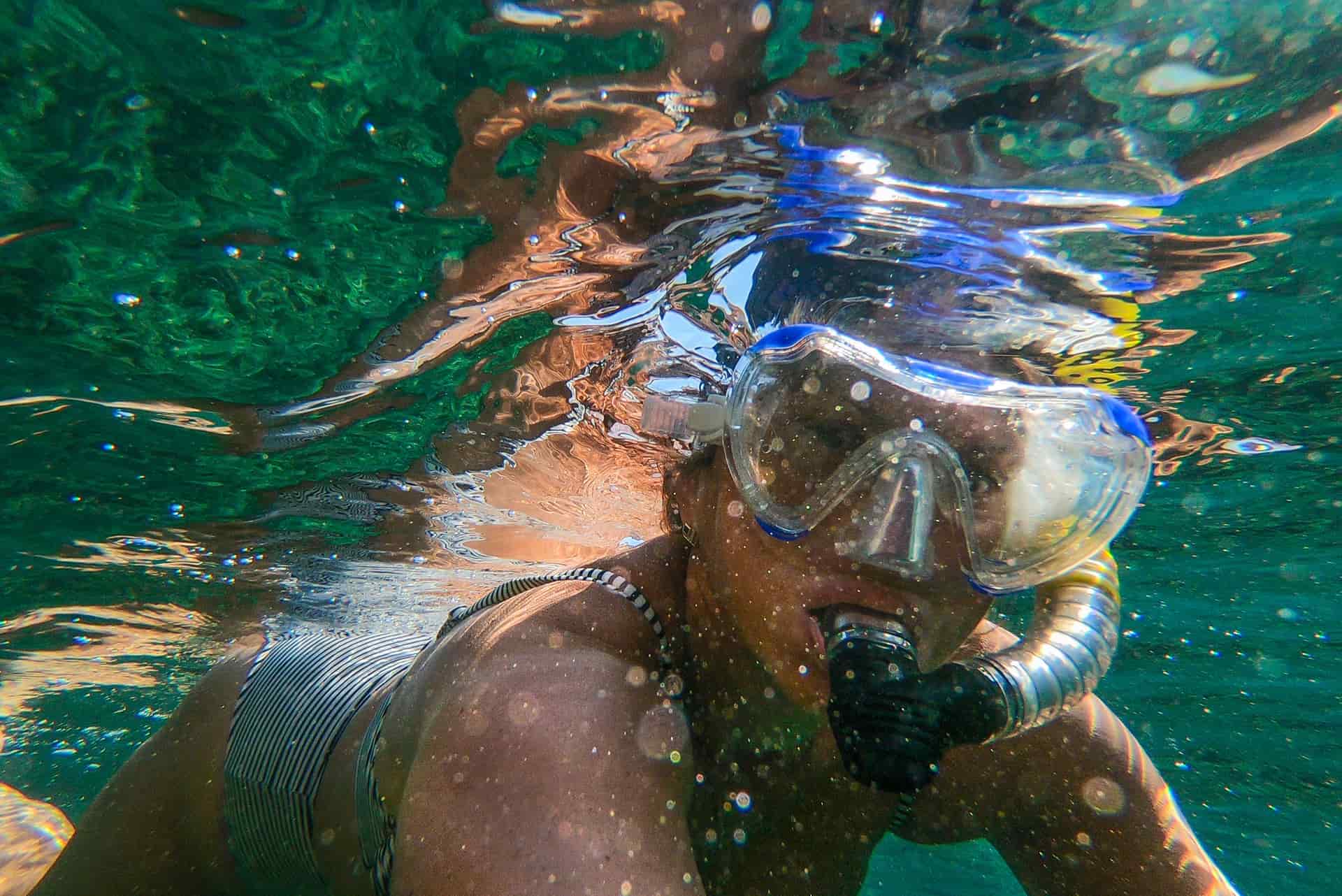
What the Ace Pro 2 is genuinely best at
If one of these three is the reason you were looking at it, nothing below is an upgrade and the honest answer is to buy the Insta360.
The flip screen, which is the whole point. The rear display hinges upward, so a handheld or chest-mounted shot is something you compose rather than guess at. On a family trip the adult holding the camera is usually also in the shot, and that single hinge is the difference between keeping the clip and deleting it. No DJI or GoPro body we rank has it. Filming POV with kids is where this matters most.
The most detail on paper. 8K30 off a 1/1.3-inch sensor with a Leica-branded lens system is the highest published resolution of any flat camera on this site. Treat 8K as crop headroom for the edit rather than a delivery format - no phone screen shows it - 4K against 5K and 8K does that arithmetic.
Fast charging and a usable depth rating in the same body. Insta360 publishes 180 minutes of recording, 80% charge in 18 minutes, and 39ft (12m) of bare waterproofing - deeper than any current GoPro flagship, and enough for every snorkeling depth without a case. The 18-minute figure is the underrated one: it turns the gap between two paddles into a full battery. The Ace Pro 2 specification read has the full sheet.
Reason 1: 12m is not deep enough, and 180 minutes is not long enough
These two usually arrive together, because they are the same kind of buyer: the person out all day in water the camera will be under more than once. The Ace Pro 2 publishes 39ft (12m) bare and 180 minutes. The DJI Osmo Action 5 Pro publishes 20m bare and 240 minutes at 1080p/24 with the screens off, plus a -20° to 45°C operating range on the battery.
That is a meaningful gap on both numbers and it comes with a 1/1.3-inch sensor of its own, so you are not trading much image for it. What you lose is the flip screen - DJI gives you a front screen instead, which helps you line up a shot but not frame yourself in one - and the 8K mode. You also lose the two-prong mounting story, because DJI uses a magnetic quick-release and needs an adapter for your existing clamps. Action 5 Pro against Ace Pro 2 is the head-to-head, and battery life compared lines every published runtime up with the conditions behind it.
Reason 2: your bag is already full of GoPro mounts
This is a cost reason rather than a brand one. The Ace Pro 2 mounts through a cage, and the two-prong fittings that clamp, boom and harness makers design around are GoPro's. The GoPro HERO13 Black has those fingers and a 1/4-20 thread built into the body, so a kayak boom, a chest harness, a helmet mount and three clamps all take it with nothing in between - plus a replaceable lens cover, which over a few seasons of sand is worth more than a resolution step.
The trade is the water rating, and it goes the wrong way: GoPro publishes 33ft (10m) bare against the Insta360's 12m, so a deep snorkel or a free-dive is a housing purchase. You also give up the flip screen. HERO13 Black against Ace Pro 2 is the direct comparison, the HERO13 Black alternatives run the same exercise from the GoPro side, and mount compatibility sets out what is genuinely universal.
Reason 3: you want the best image in the category, not the best screen
If image quality is the actual reason you were shopping, there is now a flat camera with a bigger sensor than the Ace Pro 2. The DJI Osmo Action 6 carries a 1/1.1-inch sensor - the largest in any flat action camera we track - with a variable f/2.0-f/4.0 aperture, which means it can stop down against glare bouncing off bright water instead of needing an ND filter screwed to the front. It also keeps DJI's 20m bare rating, the 240-minute published runtime and 64GB of built-in storage for the day you forget the card.
It is the heaviest body in this group at 149g, 8K stops at 30fps, and it sits at the top of the price bracket - the Action 5 Pro does most of this for less. The Osmo Action 6 specification read covers what the aperture actually buys, and the low-light roundup ranks the field on published sensor size.
Reason 4: you are tired of aiming
The flip screen exists because framing yourself is hard. A 360 camera deletes the problem instead of helping with it: it records everything around it and you choose the shot afterwards in the app. In a kayak, with both hands on a paddle and nobody else in the boat, that is the only reliable way to get a third-person shot of yourself.
The Insta360 X5 is also the pick that keeps you inside the app and ecosystem you were already choosing: IP68 to 49ft (15m), the deepest bare rating of any camera we rank, user-replaceable lenses, and 185 minutes in Endurance mode at 5.7K24. The cost is edit time, because a 360 clip is unwatchable until it has been reframed, plus large files and exposed lenses that still scratch without guards. 360 against flat is the full decision, X5 against Ace Pro 2 is the in-brand head-to-head, and the 360 roundup ranks the current bodies.
Reason 5: you want to wear it, not hold it
A flip screen is only useful if you are holding the camera. If what you actually want is footage of a trip you were busy having, the Insta360 GO Ultra is the other end of the same brand: 53g, IPX8 to 33ft (10m) on the camera alone, a 1/1.28-inch sensor that is far larger than the size suggests, and magnet mounting that works in seconds with cold hands.
Read the two water ratings separately - the Action Pod that supplies the flip screen and the long runtime is not rated to the camera's depth - and treat magnets as convenience rather than a mechanical lock in real chop. The GO Ultra specification read separates the ratings properly, and the small camera roundup ranks the class on published weight.
Reason 6: the price
The budget pick is the DJI Osmo Action 4, and it is an unusually good one because the saving does not come out of the water rating. DJI publishes 18m bare - deeper than the Ace Pro 2 and deeper than any GoPro flagship - with a removable 1770mAh cell, 160 minutes at 1080p/24 and the same -20° to 45°C operating range as its newer siblings. For a lake, that specification sheet is most of what matters.
What you give up is the sensor and the screen: no flip display, no 8K, and a generation-older image pipeline that shows in flat light. DJI's Osmo Action 4 page also states guaranteed software updates until 31 December 2026, which is a published end date worth knowing before you buy. The Action 4 read has the full sheet, the under-$300 roundup is where this reason usually lands, and the budget roundup covers the cheaper end properly.
The published figures, side by side
One table, so the trade is visible rather than argued. Every figure comes from the manufacturer specification page listed in the sources below.
| Camera | Bare water rating | Published runtime | Sensor | Mount interface |
|---|---|---|---|---|
| Insta360 Ace Pro 2 (incumbent) | 39ft (12m) / 60m with dive case | 180 min published | 1/1.3" with Leica lens | Two-prong via cage |
| DJI Osmo Action 5 Pro | 20m bare / 60m with case | 240 min at 1080p24, screens off | 1/1.3" | Magnetic quick-release |
| GoPro HERO13 Black | 33ft (10m) bare / 196ft (60m) housed | 1.5h at 5.3K30 / 2.5h at 1080p30 | Not published as a sensor size | Built-in fingers + 1/4-20 |
| DJI Osmo Action 6 | 20m bare / 60m with case | 240 min at 1080p24 | 1/1.1" with f/2.0-f/4.0 aperture | Magnetic quick-release |
| Insta360 X5 (360) | IP68 to 49ft (15m) | ~88 min at 8K30 / 185 min endurance | Dual lens, user-replaceable | 1/4-20, pole-first |
| Insta360 GO Ultra | IPX8 to 33ft (10m), camera only | Up to 170 min with the Action Pod | 1/1.28" | Magnetic / clip |
| DJI Osmo Action 4 | 18m bare / 60m with case | 160 min at 1080p24 | Not published as a sensor size | Magnetic quick-release |
What you should not switch for
“Resolution.” The Ace Pro 2 already publishes the highest resolution of any flat camera here. If detail is the reason, you are leaving the camera that wins on it - and the difference between 4K and 8K on a phone screen is nothing at all.
“Stabilization.” FlowState, RockSteady and HyperSmooth are three mature systems and the published differences between flagships are small and situational. The real gap is between any of them and a budget system - the three compared is the detail.
“Waterproofing,” if you only snorkel. 12m bare clears every snorkeling depth without a case. Switching for depth only makes sense if you free-dive or want to stop carrying a housing you already own - how deep an action camera can go lines the ratings up.
If you buy the Ace Pro 2 anyway
Most people reading a page like this one buy the incumbent, and that is a fine outcome. Budget for the same four things every camera needs - a card fast enough not to drop frames, a spare battery, a float if it goes near open water and the one mount your trip actually needs - and buy the two-prong cage adapter at the same time as the camera if your gear is GoPro-shaped. The first five accessories puts those in order, and the snorkeling kit is the version for anyone whose plan is swimming with it.
01
The six alternatives
Each one answers a single reason buyers leave the Ace Pro 2, ordered by how often that reason comes up for lake and trail use. Every pick gives something back to the Insta360, and each entry says what.
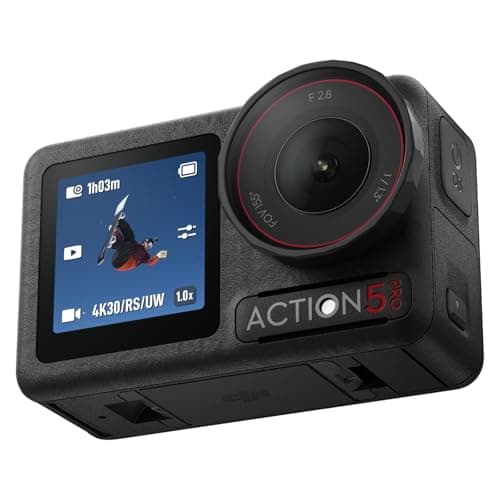
- 20m bare / 60m with case
- 1950mAh · 240 min at 1080p24
- -20° to 45°C
- 9.5
- 9.0
- 9.5
- 8.0
- 9.0
DJI Osmo Action 5 Pro
DJI
Goes to 20m with no housing at all and publishes a 240-minute runtime — the two numbers that decide a long, wet, cold day.
Long paddles, cold water, and anyone tired of buying a housing to get past 10m
- 20m without the Waterproof Case — double the bare-camera depth of the HERO13 Black
- DJI publishes 240 minutes of recording at 1080p/24 with screens off, the longest figure in this set
- Rated to -20°C, which matters more on an October lake than any resolution number
- 1/1.3-inch sensor holds detail when the light goes flat
- Mount ecosystem is smaller than GoPro's, and magnetic quick-release adapters are their own purchase
- 146g — the heaviest of the flagship three
- Fewer third-party mounts and filters exist for it
Specs from DJI Osmo Action 5 Pro published specifications.
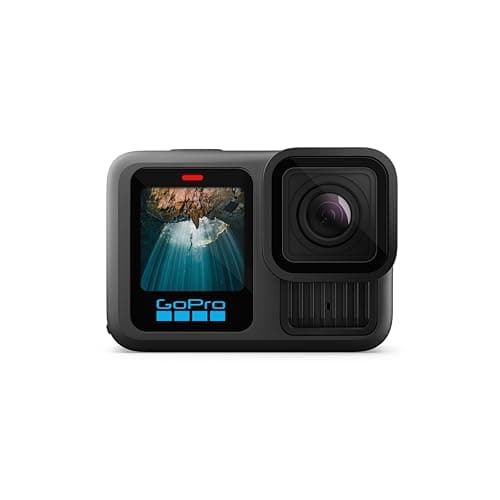
- 33ft (10m), no housing
- 1900mAh Enduro
- 1.5h at 5.3K30 / 2.5h at 1080p30
- 8.0
- 9.5
- 8.5
- 9.5
- 9.0
GoPro HERO13 Black
GoPro
The safest default for lake and trail: 33ft without a housing, the steadiest footage in the category, and a mount for literally everything.
Anyone who wants one camera to handle the kayak, the bike and the family trip
- HyperSmooth 6.0 with AutoBoost is the steadiest stabilization we can find published figures for
- Built-in mounting fingers plus 1/4-20 threads — it fits the GoPro ecosystem and a normal tripod
- Enduro battery is rated to keep full camera functionality down to 14°F (-10°C)
- Replaceable lens cover, so a scratched lens is a $20 problem and not a $400 one
- 33ft is shallower than the DJI and it is the shallowest of the three flagships
- Anything past 33ft needs the separate Protective Housing
- HB-Series lenses and ND filters are all extra purchases
Specs from GoPro HERO13 Black published specifications.
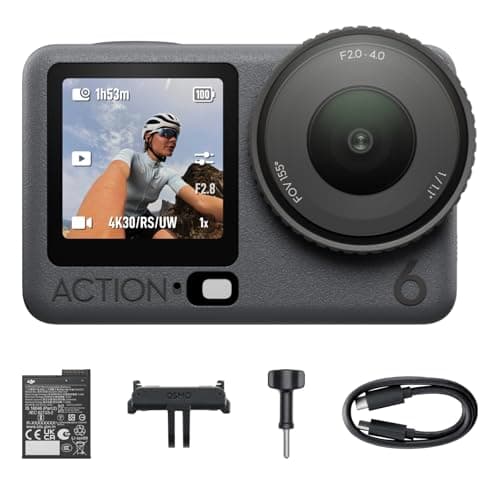
- 20m bare / 60m with case
- 1950mAh · 240 min at 1080p24
- 1/1.1" with f/2.0-f/4.0 aperture
- 9.5
- 9.0
- 9.5
- 8.0
- 9.5
DJI Osmo Action 6
DJI
The first action camera with a variable aperture, on the largest sensor in the class — and it keeps the 20m bare rating and the 240-minute runtime that made the Action 5 Pro the long-day pick.
Bright water and flat light in the same afternoon, on trips measured in days rather than hours
- 1/1.1-inch sensor — the largest in any flat action camera we track, and it shows in flat light
- Variable f/2.0-f/4.0 aperture: it can stop down for glare off the water instead of needing an ND filter
- Keeps the 20m bare rating, the 1950mAh removable battery and the 240-minute published runtime
- -20° to 45°C operating range, and 64GB built in (50GB usable) for the day you forget the card
- 4K at up to 120fps for slow motion, 8K/30 for cropping in the edit
- 149g, the heaviest flagship here — noticeable on a helmet, irrelevant on a hull
- 8K stops at 30fps and costs card space and battery for detail a phone screen never shows
- Mount ecosystem is still smaller than GoPro's, and the magnetic quick-release adapters are a separate purchase
- Sits at the top of the category price bracket — the Action 5 Pro does most of this for less
Specs from DJI Osmo Action 6 published specifications.
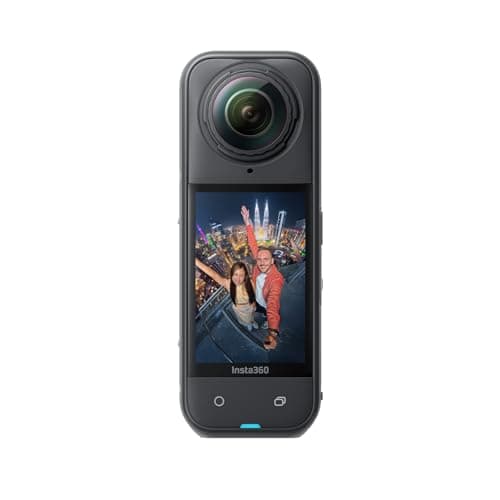
- IP68 to 49ft (15m)
- 2400mAh · ~88 min at 8K30
- User-replaceable
- 9.5
- 9.5
- 9.0
- 8.5
- 7.5
Insta360 X5
Insta360
15m rated, replaceable lenses, and the one camera that means you never have to aim while you are paddling.
Anyone filming themselves on the water who cannot stop to frame a shot
- 15m IP68 is the deepest bare rating of any camera on this site
- User-replaceable lenses — the single biggest fix for the 360 format's worst failure mode
- 185 minutes in Endurance mode at 5.7K24, which is a whole day of clips
- Invisible-selfie-stick reframing means you point the camera at nothing and pick the angle later
- Exposed lenses still scratch; lens guards are a purchase, not an option
- Every clip needs a reframing pass before anyone else can watch it
- 8K30 files are large and the edit is slower than flat footage
Specs from CineD, Insta360 X5 announcement with published specifications.
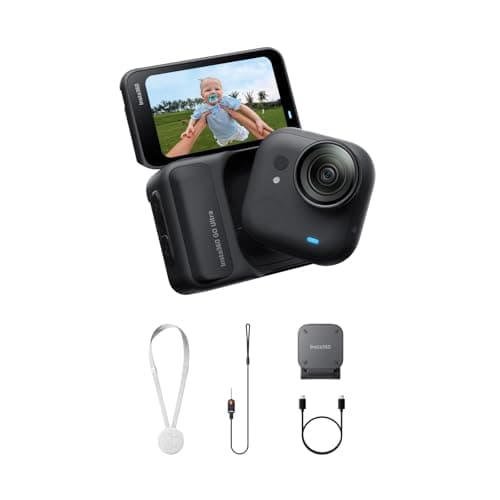
- IPX8 to 33ft (10m), camera only
- 53g
- Up to 170 min with the Action Pod
- 7.0
- 8.0
- 7.5
- 8.0
- 8.0
Insta360 GO Ultra
Insta360
53 grams and IPX8 to 10m on its own — the camera you actually clip on for a paddle instead of leaving in the dry bag.
Hands-free clips where a full-size camera would never leave the bag
- 53g means it goes on a hat brim, a PFD strap or a chest magnet and you forget it is there
- IPX8 to 10m for the camera itself, with a 1/1.28" sensor that is far larger than the size suggests
- Action Pod adds a flip screen and the long runtime when you want it
- Removable microSD, so you are not stuck with fixed onboard storage
- The Action Pod is not rated to the same depth as the camera — read the two ratings separately
- Magnetic mounting is convenient but is not a mechanical lock in real chop
- No interchangeable lens cover, so a scratch is permanent
Specs from Insta360 GO Ultra published specifications.
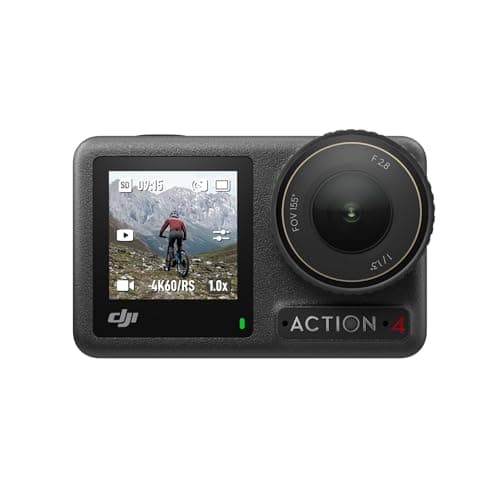
- 18m bare / 60m with case
- 1770mAh · 160 min at 1080p24
- -20° to 45°C
- 9.0
- 8.5
- 8.5
- 8.0
- 8.0
DJI Osmo Action 4
DJI
The previous DJI flagship, still 18m bare and still on shelves — the most water rating per dollar in this list.
Buyers who want deep-water capability without paying flagship money
- 18m without a case still beats every current GoPro by a wide margin
- Same 1/1.3-inch sensor size as the Action 5 Pro
- Rated to -20°C like its replacement
- Usually the cheapest way into serious bare-camera depth
- 160 minutes published against the Action 5 Pro's 240
- Superseded, so accessories and support will taper off first
- No front OLED — the Action 5 Pro's front screen is genuinely more useful for framing
Specs from DJI Osmo Action 4 published specifications.
02
How we picked
We do not lab-test, bench-test or dive-test cameras, and we do not own test units. What we do instead is read the manufacturer's published specifications, read the independent reviews that genuinely do test, read owner reports for the failure modes specs never mention — fogging, salt corrosion, cold battery collapse, mount slippage — and then weight all of it for action cameras used on lake and trail. Where a number is not published, the page says “not published” rather than filling the cell.
The full method, including what we refuse to do, is on the editorial policy page.
- 30%Water survival
- Rated depth without a case, door design, and what the manufacturer actually publishes.
- 25%Stabilization in chop
- A kayak deck and a rooty trail shake in ways a handheld walk test never shows.
- 20%Battery in the cold
- Published runtime, spare-battery cost, and whether it charges while recording.
- 15%Mount ecosystem
- Finger mount, threaded, magnetic — and how much of it you have to re-buy.
- 10%Footage you will keep
- Lens replaceability, low-light behavior, and how much cutting the footage needs.
03
Questions people actually ask
01What is the best alternative to the Insta360 Ace Pro 2?
The DJI Osmo Action 5 Pro for most people, because the two reasons buyers leave the Ace Pro 2 are depth and runtime: DJI publishes 20m bare against 39ft (12m), and 240 minutes at 1080p/24 against 180. You give up the flip screen that makes the Insta360 easy to frame yourself in, and the 8K mode.
02Is there a cheaper alternative to the Ace Pro 2 that is still waterproof?
The DJI Osmo Action 4. It is the cheapest camera on this page and it publishes 18m of bare waterproofing - deeper than the Ace Pro 2 and deeper than any current GoPro flagship - with a removable 1770mAh battery and 160 minutes at 1080p/24. The saving comes out of the sensor and the screen, not out of the water rating.
03Does any other action camera have a flip screen like the Ace Pro 2?
Not among the bodies we rank. DJI and GoPro flagships have front-facing screens, which help you line up a shot but do not let you compose one you are standing in front of. If the flip screen is why you are looking at the Ace Pro 2, buy the Ace Pro 2.
04Do GoPro mounts fit an Insta360 Ace Pro 2?
Through a cage, yes. The Ace Pro 2 mounts via a cage or adapter that presents two-prong fingers, so GoPro clamps, booms and harnesses then fit. It works, but it is one more part to buy and keep track of - which is exactly why buyers with a drawer of GoPro mounts often stay with GoPro. Mount compatibility has the detail.
05Insta360 Ace Pro 2 or Insta360 X5?
Different formats for different problems. The Ace Pro 2 is a flat camera you point, with a flip screen and 8K30 off a 1/1.3-inch sensor. The X5 records the whole sphere at IP68 to 49ft (15m) so you never aim, at the cost of a reframing pass on every clip. The head-to-head works it through.
06Is the Osmo Action 6 worth the extra over an Ace Pro 2?
Only for the sensor and the aperture. The Osmo Action 6 carries a 1/1.1-inch sensor with a variable f/2.0-f/4.0 aperture, 20m bare and 240 published minutes, but it is the heaviest body here at 149g and sits at the top of the price bracket. If flat light and glare off water are your conditions, it is the upgrade. If framing yourself is the problem, it is not.
04
Read this next
Insta360 alternatives
The brand-level version of this page, across the whole lineup.
GoPro HERO13 Black alternatives
The same exercise run from the GoPro side, reason by reason.
Insta360 Ace Pro 2 specifications
Every published figure for the camera these six are measured against.
Insta360 X5 vs Ace Pro 2
Flat against 360 inside the same brand and the same app.
05
Sources
- Insta360 Ace Pro 2 published specifications
- DJI Osmo Action 5 Pro published specifications
- DJI Osmo Action 6 published specifications
- DJI Osmo Action 4 published specifications
- GoPro HERO13 Black published specifications
- Insta360 GO Ultra published specifications
- CineD, Insta360 X5 announcement with published specifications
Specifications are quoted from the manufacturer pages above as they read on the dates shown. Where a figure is not published, this site says so rather than estimating one. We have not tested these products.