The best action camera for road trips
A road trip is a battery problem wearing a scenery costume. The camera that documents one well is the one that charges while it films and mounts to a windshield in ten seconds.
Part of Cameras.
We earn a commission if you buy through our links, at no extra cost to you. It never changes what we recommend or the order we rank it in — how this works.
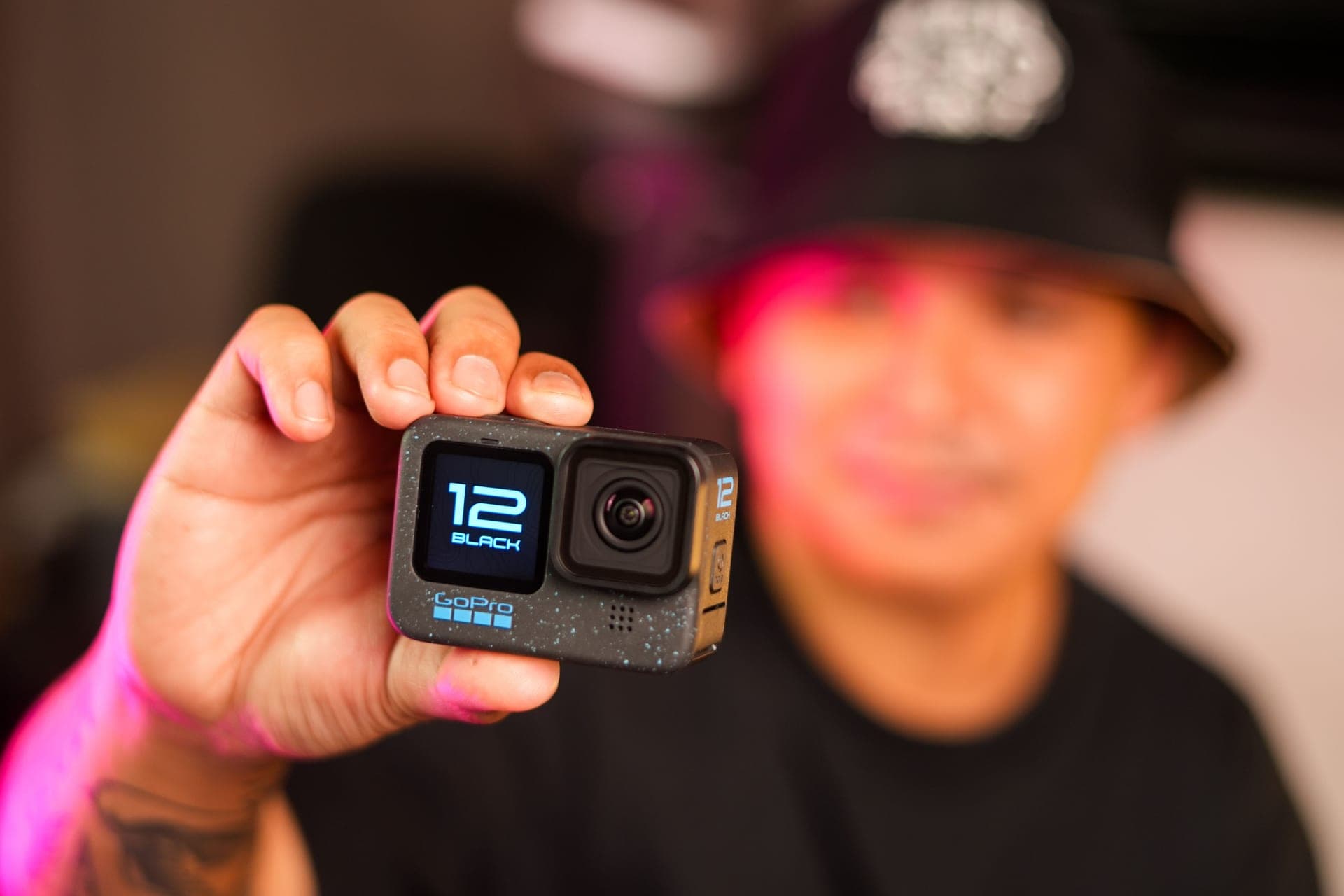
The Insta360 Ace Pro 2 is the best action camera for road trips, and the reason is the hinge: the rear screen flips up, so the person driving or riding shotgun can frame themselves and the people in the car without guessing. Insta360 publishes 180 minutes of battery life and 80% charge in 18 minutes, which on a trip means the camera refills over a coffee stop instead of overnight. It is for the family documenting the drive rather than filming the road. The DJI Osmo Action 4 is the budget pick, with a removable cell so a spare is a glovebox item and 18m of bare waterproofing for whatever the trip ends at. The GoPro Suction Cup Mount is the accessory that makes any of them work on glass. Prices come from the live price layer and carry the date they were read under each buy button.
01
Quick picks
| # | Product | Best for | Score | Price |
|---|---|---|---|---|
| 01 | 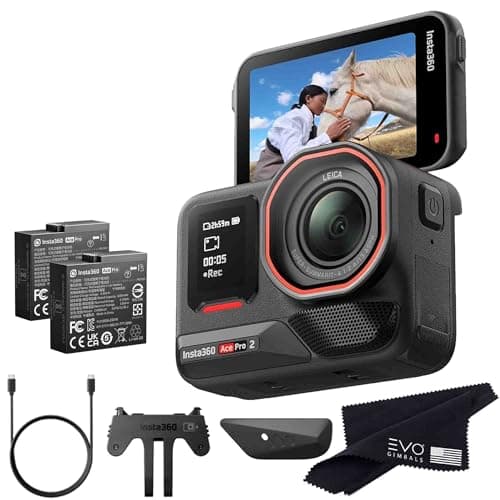 Insta360 Ace Pro 2 The best-looking image of the three flagships, with a flip screen that finally makes a chest-mounted shot something you can frame. | Family trips where you want the footage to look like more than dashcam clips | 8.6/ 10 | |
| 02 | 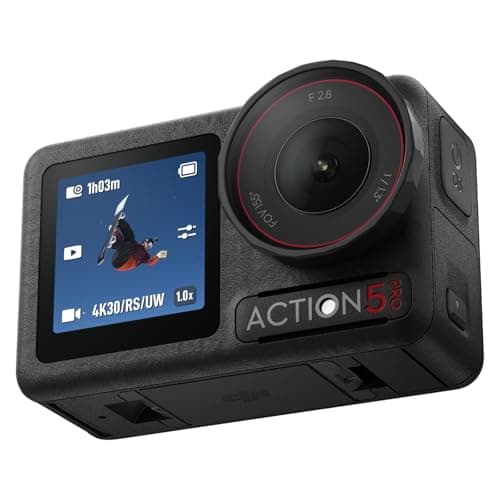 DJI Osmo Action 5 Pro Goes to 20m with no housing at all and publishes a 240-minute runtime — the two numbers that decide a long, wet, cold day. | Long paddles, cold water, and anyone tired of buying a housing to get past 10m | 9.1/ 10 | |
| 03 | 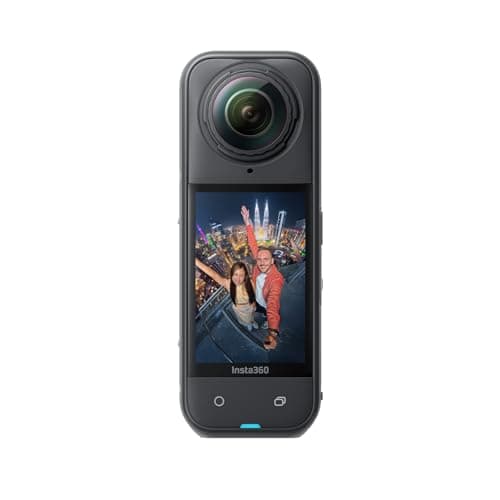 Insta360 X5 15m rated, replaceable lenses, and the one camera that means you never have to aim while you are paddling. | Anyone filming themselves on the water who cannot stop to frame a shot | 9.1/ 10 | |
| 04 | 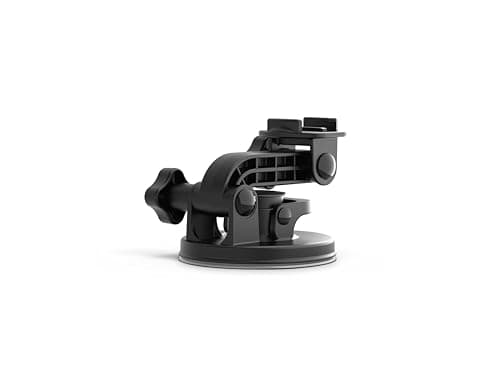 GoPro Suction Cup Mount Proven at 150+ mph on a car, which means it will hold on a boat hull — as long as the surface is genuinely smooth and genuinely clean. | Powerboats, pontoons and any smooth hull you will not drill | 8.0/ 10 | |
| 05 | 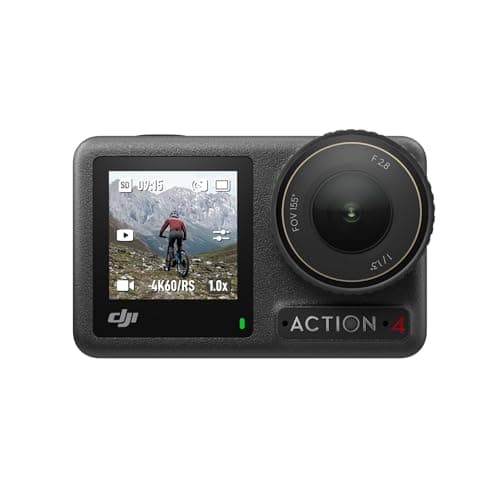 DJI Osmo Action 4 The previous DJI flagship, still 18m bare and still on shelves — the most water rating per dollar in this list. | Buyers who want deep-water capability without paying flagship money | 8.5/ 10 |
Scores are our editorial judgment from published specs and named independent reviews, weighted for lake and trail use — not measurements. We have not tested these units and do not own them.
02
How we picked
We do not lab-test, bench-test or dive-test cameras, and we do not own test units. What we do instead is read the manufacturer's published specifications, read the independent reviews that genuinely do test, read owner reports for the failure modes specs never mention — fogging, salt corrosion, cold battery collapse, mount slippage — and then weight all of it for action cameras used on lake and trail. Where a number is not published, the page says “not published” rather than filling the cell.
The full method, including what we refuse to do, is on the editorial policy page.
- 30%Water survival
- Rated depth without a case, door design, and what the manufacturer actually publishes.
- 25%Stabilization in chop
- A kayak deck and a rooty trail shake in ways a handheld walk test never shows.
- 20%Battery in the cold
- Published runtime, spare-battery cost, and whether it charges while recording.
- 15%Mount ecosystem
- Finger mount, threaded, magnetic — and how much of it you have to re-buy.
- 10%Footage you will keep
- Lens replaceability, low-light behavior, and how much cutting the footage needs.
What makes a road trip camera different
Search Console shows people arriving at this site asking what is a good camera for documenting family road trips, which is a more specific question than it looks. A road trip is not an activity shoot. The camera spends most of the day in a hot car, has mains power available but nowhere convenient to put it, and the footage worth keeping is mostly of people rather than scenery. Three criteria follow from that.
Charging behavior, first. You have 12V power in the car and long stretches where nothing is happening, so a camera that charges fast or runs from a cable while it films is worth more than one with a slightly better sensor. Insta360's published 80% in 18 minutes is the standout figure here.
Framing yourself, second. The keepers have faces in them. A flip screen or a front display is the difference between a composed shot and three takes of your own forehead.
Mounting to glass and plastic, third. A car has no mounting points. Everything depends on a suction cup or an adhesive pad, which is why a mount is on this list alongside the cameras.
The published figures, side by side
| Pick | Published runtime | Charging / power | Bare water rating | Price |
|---|---|---|---|---|
| Insta360 Ace Pro 2 | 180 min published | 80% charge in 18 minutes | 39ft (12m) / 60m with dive case | Check price |
| DJI Osmo Action 5 Pro | 240 min at 1080p/24 | Removable 1950mAh cell | 20m bare / 60m with case | Check price |
| Insta360 X5 | ~88 min at 8K30 / 185 min Endurance | Removable 2400mAh cell | IP68 to 49ft (15m) | Check price |
| GoPro Suction Cup Mount | n/a | n/a | Proven at 150+ mph on smooth, clean surfaces | Check price |
| DJI Osmo Action 4 | 160 min at 1080p/24 | Removable 1770mAh cell | 18m bare / 60m with case | Check price |
The three shots worth planning
The time-lapse out of the windscreen. Suction cup, 1080p or 4K time-lapse, powered from the 12V socket so battery is irrelevant. Hours of driving become twenty watchable seconds. Time lapse against TimeWarp explains which mode to use.
The in-car shot of the people. Flip screen, handheld or on a short mount on the dash. This is the footage you will actually keep.
The arrival. Whatever the trip was for - a trailhead, a lake, a beach - the camera has to still have charge when you get there, which is why the runtime column above matters more than the sensor.
Who should buy which
Documenting the people in the car: the Ace Pro 2.
Long driving days and a trip that ends in water: the Osmo Action 5 Pro.
Nobody wants to aim anything: the Insta360 X5.
Whichever camera you pick: the suction cup mount, plus a tether.
Spending as little as possible: the Osmo Action 4. The family travel picks cover the rest of the trip once you have parked.
03
Every pick, in detail
- 39ft (12m) / 60m with dive case
- 1800mAh · 180 min published
- 1/1.3" with Leica lens
- 8.5
- 8.5
- 9.0
- 7.5
- 9.5
Insta360 Ace Pro 2
Insta360
The best-looking image of the three flagships, with a flip screen that finally makes a chest-mounted shot something you can frame.
Family trips where you want the footage to look like more than dashcam clips
Who it is for: the family trip where the camera is pointed inward as often as outward.
A road trip video that is only road is unwatchable. The parts people keep are the ones with faces in them - the singing, the argument about the map, the gas station at midnight - and the flip screen is what makes those shots framed instead of accidental. Behind it is a 1/1.3-inch sensor with a Leica lens system, 8K30, and the charging figure that matters most on a trip: 80% in 18 minutes from the 1800mAh cell, with 180 published minutes of battery life.
Honest cons for this use. 12m (39ft) bare is good but shallower than the DJI bodies if the trip ends at a lake. The mount ecosystem is smaller than GoPro's, so a two-prong suction cup needs an adapter. And 180 published minutes is well short of DJI's 240 if you intend to leave it rolling. The Ace Pro 2 read has the full sheet.
- 8K30 with a 1/1.3-inch sensor — the most detail in the group
- 12m bare, which clears every snorkel depth without a housing
- 180-minute published battery life and 80% charge in 18 minutes
- Flip screen means you can frame a shot you are standing in front of
- 12m is still short of the DJI's 20m
- The dive case is a separate purchase for anything past 12m
- Fewer mount options than GoPro, and an adapter tax if you switch
Specs from Insta360 Ace Pro 2 published specifications.
- 20m bare / 60m with case
- 1950mAh · 240 min at 1080p24
- -20° to 45°C
- 9.5
- 9.0
- 9.5
- 8.0
- 9.0
DJI Osmo Action 5 Pro
DJI
Goes to 20m with no housing at all and publishes a 240-minute runtime — the two numbers that decide a long, wet, cold day.
Long paddles, cold water, and anyone tired of buying a housing to get past 10m
Who it is for: long driving days where the camera needs to still be alive at the overlook.
240 published minutes at 1080p/24 from a removable 1950mAh cell is the longest published runtime of any flat camera in our registry, and 1080p/24 is exactly the setting a dash-facing time-lapse or a rolling scenery shot should be in. DJI also publishes a -20° to 45°C battery operating range, which covers a cold morning start and a hot car in the afternoon, plus 20m of bare waterproofing for the swimming part of the trip.
Cons: no flip screen, so framing yourself is a front-display job rather than a composed shot; and DJI's mount catalog needs an adapter for two-prong fittings, including the suction cup below. The Action 5 Pro read has the detail.
- 20m without the Waterproof Case — double the bare-camera depth of the HERO13 Black
- DJI publishes 240 minutes of recording at 1080p/24 with screens off, the longest figure in this set
- Rated to -20°C, which matters more on an October lake than any resolution number
- 1/1.3-inch sensor holds detail when the light goes flat
- Mount ecosystem is smaller than GoPro's, and magnetic quick-release adapters are their own purchase
- 146g — the heaviest of the flagship three
- Fewer third-party mounts and filters exist for it
Specs from DJI Osmo Action 5 Pro published specifications.
- IP68 to 49ft (15m)
- 2400mAh · ~88 min at 8K30
- User-replaceable
- 9.5
- 9.5
- 9.0
- 8.5
- 7.5
Insta360 X5
Insta360
15m rated, replaceable lenses, and the one camera that means you never have to aim while you are paddling.
Anyone filming themselves on the water who cannot stop to frame a shot
Who it is for: the driver who cannot aim a camera and should not be trying.
This is the strongest argument for a 360 camera that exists: stuck on the windshield or held up in the car, it records the road, the driver, the back seat and the scenery in one file, and you choose the shot afterwards. Nobody has to point anything while driving. The X5 is also rated IP68 to 49ft (15m) with user-replaceable lenses, so the same camera covers whatever the trip stops at.
Cons, and they are real: every clip needs a reframing pass before anyone else can watch it, the files are large, and a 360 camera stuck inside a windscreen will record the reflections and the dashboard clutter you would have cropped out. Filming on a 360 camera covers the workflow honestly.
- 15m IP68 is the deepest bare rating of any camera on this site
- User-replaceable lenses — the single biggest fix for the 360 format's worst failure mode
- 185 minutes in Endurance mode at 5.7K24, which is a whole day of clips
- Invisible-selfie-stick reframing means you point the camera at nothing and pick the angle later
- Exposed lenses still scratch; lens guards are a purchase, not an option
- Every clip needs a reframing pass before anyone else can watch it
- 8K30 files are large and the edit is slower than flat footage
Specs from CineD, Insta360 X5 announcement with published specifications.
- Proven at speeds of 150+ mph
- Smooth, non-porous, clean
- Swivel arm, 360-degree positioning
- 8.0
- 7.0
- 8.0
- 9.5
- 7.5
GoPro Suction Cup Mount
GoPro
Proven at 150+ mph on a car, which means it will hold on a boat hull — as long as the surface is genuinely smooth and genuinely clean.
Powerboats, pontoons and any smooth hull you will not drill
Who it is for: everyone on this page - it is the mount that turns a car into a camera position.
GoPro publishes this mount as proven at speeds of 150+ mph, on smooth, non-porous, clean surfaces, with a swivel arm for 360-degree positioning. On a road trip that means a windshield, a side window or a clean body panel, repositioned in seconds without tools - and taken off at the motel so it does not advertise a camera to the parking lot.
Cons, and they matter here: it needs a genuinely smooth, clean surface, so textured plastic, a dusty windshield or a sun-baked panel is a failure waiting to happen. Press it on properly, check it after the first few miles, and use a tether. Laws about objects mounted to a windscreen vary by state and country - check yours before you stick it in the driver's eyeline. Suction and clamp mounts covers the whole category.
- No drilling, no permanent change to the boat
- GoPro publishes a 150+ mph figure, so wind load is not the failure mode
- Repositionable in seconds, which is how you find the angle that works
- Packs flat and moves between boats
- Gelcoat texture, decals and any grit under the cup all reduce the hold
- Temperature swings can break the seal over a long day in the sun
- It will eventually let go — this is the mount that most needs a tether
Specs from GoPro Suction Cup product page.
- 18m bare / 60m with case
- 1770mAh · 160 min at 1080p24
- -20° to 45°C
- 9.0
- 8.5
- 8.5
- 8.0
- 8.0
DJI Osmo Action 4
DJI
The previous DJI flagship, still 18m bare and still on shelves — the most water rating per dollar in this list.
Buyers who want deep-water capability without paying flagship money
Who it is for: the budget pick - a trip camera you are not precious about.
A removable 1770mAh cell means a spare lives in the glovebox and the camera never has to be plugged in at a critical moment. It publishes 160 minutes at 1080p/24, 18m of bare waterproofing - deeper than any current GoPro flagship - the same 1/1.3-inch sensor size as the Action 5 Pro and a -20° to 45°C battery operating range.
Cons: no front screen, a shorter published runtime than the camera above it, and DJI's Osmo Action 4 page states guaranteed software updates until 31 December 2026 - a published end date worth knowing. The Action 4 read has the full sheet.
- 18m without a case still beats every current GoPro by a wide margin
- Same 1/1.3-inch sensor size as the Action 5 Pro
- Rated to -20°C like its replacement
- Usually the cheapest way into serious bare-camera depth
- 160 minutes published against the Action 5 Pro's 240
- Superseded, so accessories and support will taper off first
- No front OLED — the Action 5 Pro's front screen is genuinely more useful for framing
Specs from DJI Osmo Action 4 published specifications.
04
What decides this category
Power it from the car, not from the battery
The one genuine advantage of filming from a vehicle is that mains-style power is right there. A 12V adapter and a short cable turn a 160-minute camera into an all-day one - power on long days covers charging while recording and the heat caveat that comes with it.
Mind the heat
A closed car in the sun is the hottest environment an action camera will ever sit in, and overheating stops a recording as surely as a flat battery. Fogging and overheating has the practical fixes: shade, airflow, and a lower resolution than you think you need.
Shoot less, keep more
Nobody watches four hours of road. Time-lapse the driving, shoot real-time only when something is happening, and the edit becomes possible on a phone that evening - editing on a phone is the workflow.
What we would skip
Cheap suction mounts with no published speed rating; filming the road for hours at 4K; and leaving a camera suction-cupped to the outside of a parked car.
05
Questions people actually ask
01What is the best action camera for road trips?
The Insta360 Ace Pro 2. The flip screen lets whoever is in the car frame themselves, and Insta360 publishes 180 minutes of battery life with 80% charge in 18 minutes - which matters more on a trip than any sensor figure. The DJI Osmo Action 5 Pro is the pick for long driving days at 240 published minutes.
02Can you use an action camera as a dash cam?
Not well. Dash cams loop-record, monitor while parked and timestamp footage for insurance; action cameras generally do none of that and will stop when the card fills. An action camera is for documenting the trip, not for protecting you in a collision.
03How do you mount an action camera in a car?
A suction cup mount on clean glass or a smooth panel is the standard answer - GoPro publishes its suction mount as proven at 150+ mph on smooth, non-porous surfaces. Use a tether, check it after the first few miles, and keep anything in the driver's eyeline legal where you are driving. Suction and clamp mounts has the detail.
04Can you charge an action camera while it is recording?
On most current models yes, which is what makes a car the easiest place to film all day. Power on long days covers which bodies allow it and the heat trade-off that comes with filming on a cable in a hot car.
05What settings should I use for driving footage?
Time-lapse for the driving itself and normal recording only when something is happening - four hours of real-time road is unwatchable and fills a card. Time lapse against TimeWarp explains which of the two modes suits a moving vehicle.
06
Read this next
Best action camera for family travel
The same trip once you have parked the car.
Suction cup and clamp mounts
How to attach a camera to glass without losing it.
Time lapse vs TimeWarp
Which mode turns hours of driving into watchable seconds.
Power on long days
Charging while recording, and the heat caveat in a hot car.
07
Sources
- Insta360 Ace Pro 2 published specifications
- DJI Osmo Action 5 Pro published specifications
- CineD, Insta360 X5 announcement with published specifications
- GoPro Suction Cup product page
- DJI Osmo Action 4 published specifications
Specifications are quoted from the manufacturer pages above as they read on the dates shown. Where a figure is not published, this site says so rather than estimating one. We have not tested these products.