Track vs clamp vs suction on a kayak
Three no-drill methods. One is clearly best when your boat supports it, and one is clearly worst on plastic decks.
Part of Mounts.
We earn a commission if you buy through our links, at no extra cost to you. It never changes what we recommend or the order we rank it in — how this works.
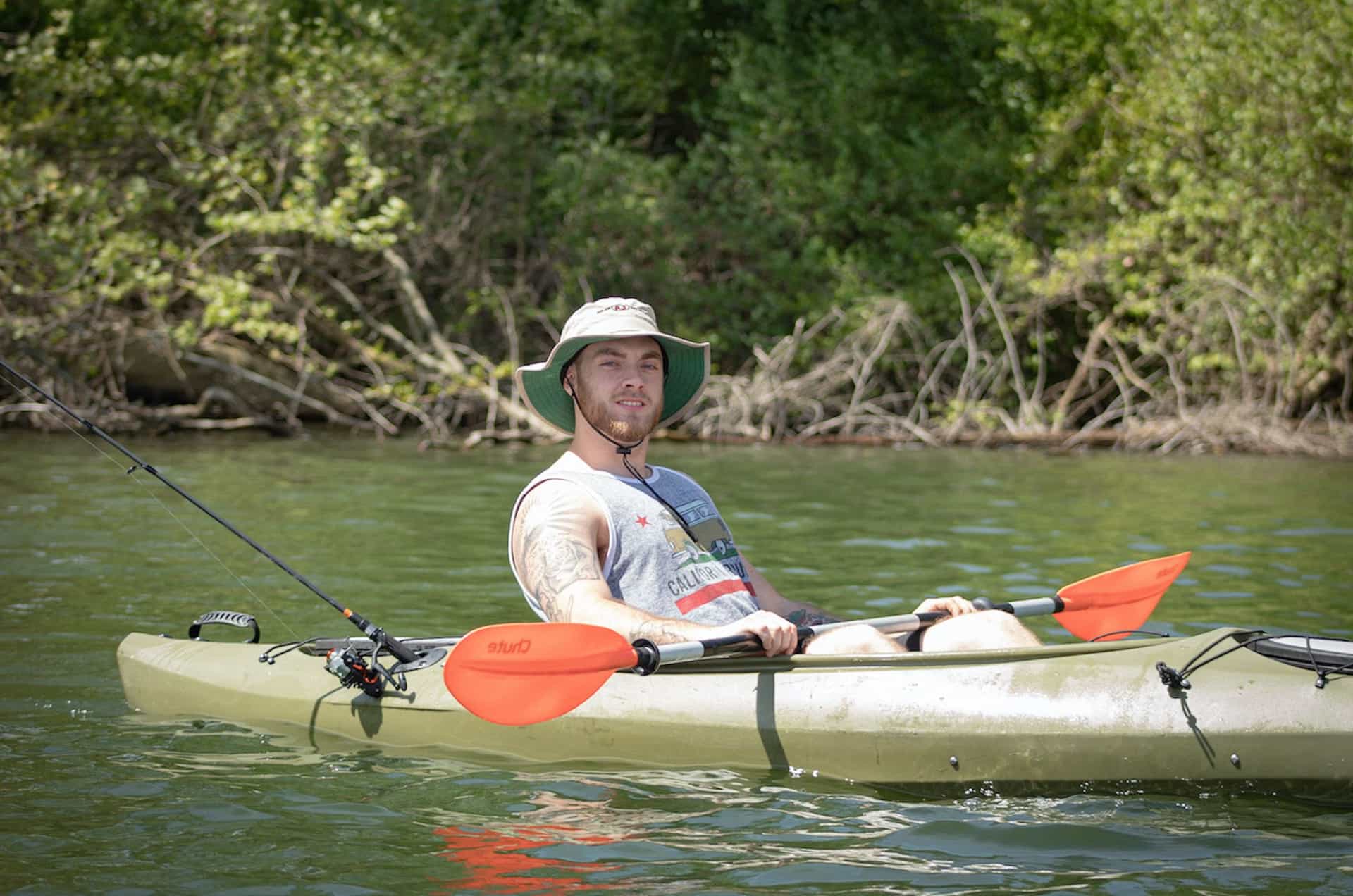
The three methods
| Track | Clamp | Suction | |
|---|---|---|---|
| Needs | An accessory rail | A tube in the jaw range | A smooth, clean, rigid surface |
| Rigidity | Excellent — supports a 33in mast | Good | Moderate |
| Repositionable | Yes, slides along the rail | Yes | Yes |
| Height achievable | High — masts and booms | Medium | Low |
| Affected by heat | No | No | Yes — air expands and the seal releases |
| Affected by texture | No | No | Yes — the main failure mode |
| Salt vulnerability | Base threads | Thumb screws | Low |
| Typical failure | Base not fully locked | Screw backs out under vibration | Seal releases |
Track: the best case
An accessory track is a rail — usually aluminum, running along the gunwale or in front of the seat — that a mount base slides into and locks onto. Most fishing kayaks have them; many recreational sit-on-tops now do too.
It is the best method for three reasons. It is rigid enough to support a tall mast, which is the single biggest improvement available to kayak footage. It slides, so you can move the camera fore and aft without tools. And it needs no drilling and leaves no mark.
The failure mode is user error: a base that was slid on but not fully locked. It feels seated and it is not. Check by trying to slide it after you have locked it.
Note that track systems are not universal — YakAttack states its PanFish Pro is compatible with its own MightyMounts and GearTrac plus most Scotty, RAM and YakGear tracks, and that FeelFree, 3 Waters and Jonny Boat kayaks need a separate adapter. Check yours.
Clamp: the versatile fallback
No track? Look for anything tubular: a grab rail, a seat frame, a rod holder, a thwart.
A clamp is nearly as rigid as a track mount at moderate heights, takes seconds to fit, and moves between boats. The constraint is the jaw range, and the ranges are narrow: the RAM Tough-Claw covers 0.625in to 1.14in, the GoPro tube mount covers 9 to 35mm. Measure before ordering, because a clamp that does not close does nothing at all.
The failure mode is vibration backing out a thumb screw over a long day. Tighten it harder than feels necessary, prefer a positive-locking ball-and-socket arm over a friction hinge, and check the angle after the first ten minutes.
Suction: usually the wrong answer here
Suction is a genuinely strong mount — GoPro publishes a 150+ mph figure — and it is the wrong tool on most kayaks.
The reason is texture. Modern sit-on-top decks are molded with non-slip patterning across exactly the flat areas where you would want to stick a cup, and texture breaks the seal. Matte plastic with micro-texture leaks slowly, which is worse than failing immediately because it fails an hour later.
Heat compounds it: trapped air expands as the deck warms in the sun, and a cup that was solid in the morning releases in the afternoon.
Where suction is excellent: a boat windscreen, glass, a smooth hard-topped console, a car on the way to the launch. On a plastic kayak, treat it as a last resort and test it hard — the suction and clamp guide covers surfaces in detail.
What none of them fix: height
All three attach at deck level, and deck level is the wrong height. A camera two feet above the waterline collects spray and produces a flat, low viewpoint that hides everything happening in the boat.
Only the track method scales to a proper mast without a permanent fitting. That is the real argument for track over the other two, and it is worth more than the rigidity comparison — the mounting guide covers positions.
The rule that applies to all three
Tether the camera separately from the mount. Every method here can fail, and the failures are different: an unlocked track base, a backed-out thumb screw, a released seal. A short leash to a deck loop turns all of them into an inconvenience, and on open water a float turns it into nothing at all.
01
One of each
The best current example of each method, so the comparison is about the method rather than the brand.
- 33in (4.25" W x 36.5" H x 2.0" D)
- LockNLoad, 360-degree rotation
- GoPro interface + 1/4-20 adapter
- 9.0
- 8.5
- 9.0
- 9.0
- 8.5
YakAttack PanFish Pro Camera Mount
YakAttack
Aluminum, 33 inches tall, mounts to almost every kayak track system, and floats if you drop it in.
Kayak fishing, where the camera has to see the rod tip and the water
- Rigid aluminum construction specifically to reduce camera shake
- LockNLoad base gives full 360-degree rotation while staying locked to the track
- Compatible with YakAttack MightyMounts and GearTrac plus most Scotty, RAM and YakGear tracks
- Made from marine-grade materials, and it floats if it goes over
- FeelFree, 3 Waters and Jonny Boat kayaks need a separate adapter
- 33 inches is a lot of mast in a crosswind
- Costs noticeably more than a plain track mount
Specs from YakAttack PanFish Pro published specifications.
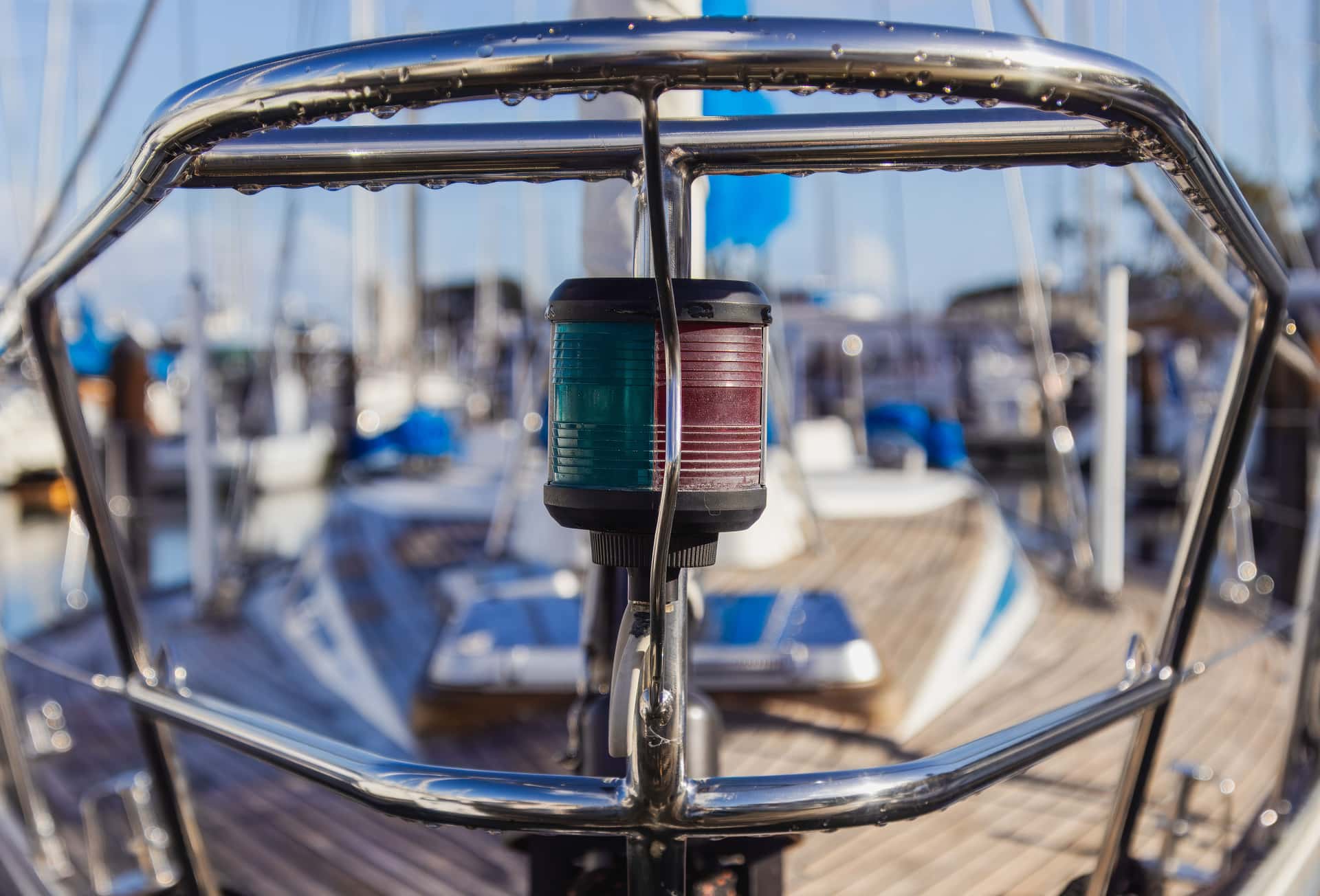
- 0.625" to 1.14" outer diameter
- High-strength composite, stainless hardware
- Ball adapter, double socket arm, clamp base
- 8.5
- 7.5
- 8.5
- 9.5
- 7.0
RAM Tough-Claw Clamp Mount with Action Camera Adapter
RAM Mounts
Clamps to anything between 0.625in and 1.14in and does not care whether it is round, square or odd — the mount that solves the boats with no track.
Rails, bars, seat frames and anything you cannot or will not drill
- Fits round, square and odd-shaped rails in the same jaw
- Stainless hardware is the right call for anything that gets rinsed
- The RAM ball-and-socket arm holds an angle far better than a friction hinge
- No drilling, so it moves between boats, bikes and rails
- 0.625in to 1.14in is a narrow band — measure before you buy
- The composite version is not the stiffest option in the RAM range
- Three separate pieces means three things to lose
Specs from RAM Mounts Tough-Claw with Action Camera Adapter specifications.
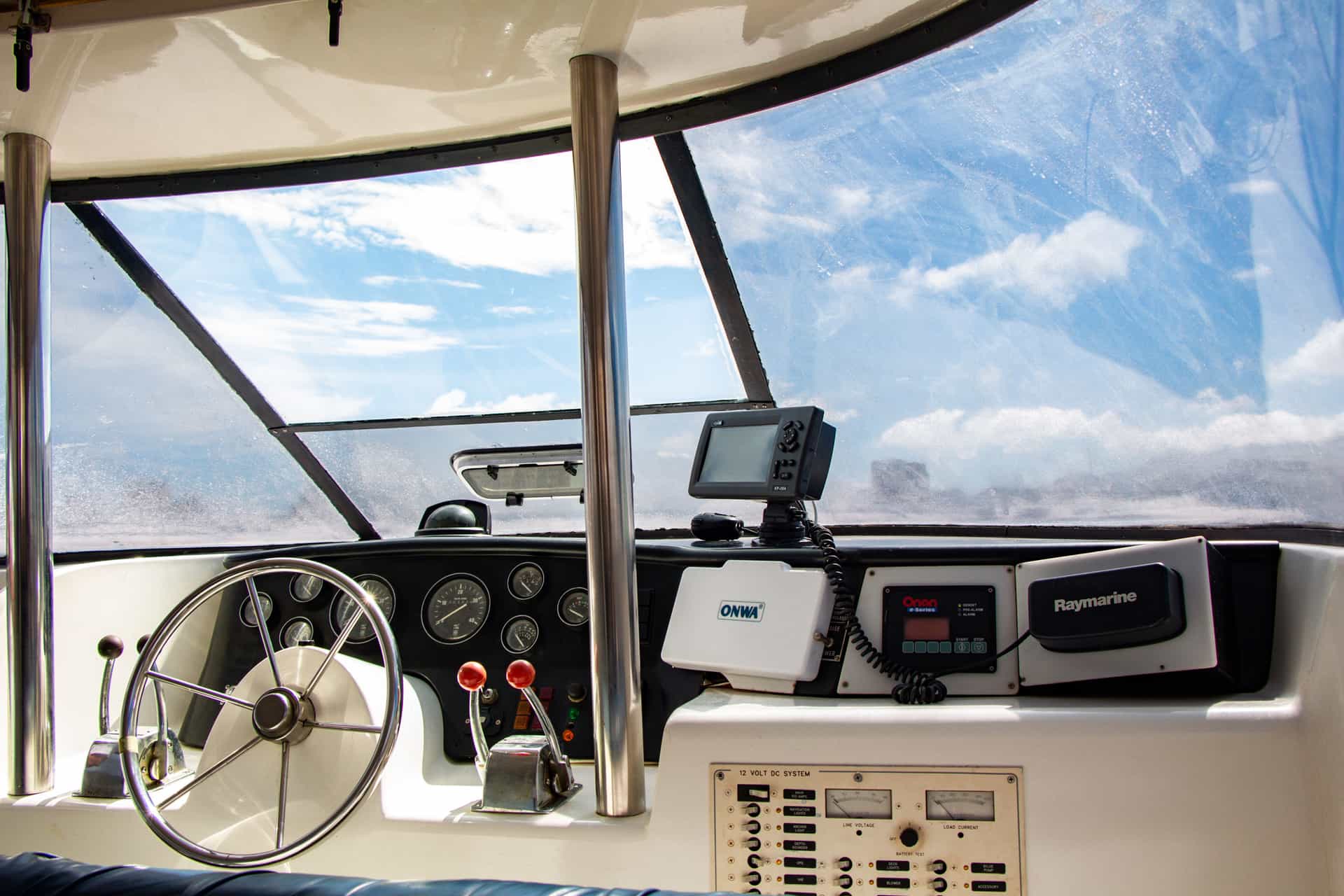
- Proven at speeds of 150+ mph
- Smooth, non-porous, clean
- Swivel arm, 360-degree positioning
- 8.0
- 7.0
- 8.0
- 9.5
- 7.5
GoPro Suction Cup Mount
GoPro
Proven at 150+ mph on a car, which means it will hold on a boat hull — as long as the surface is genuinely smooth and genuinely clean.
Powerboats, pontoons and any smooth hull you will not drill
- No drilling, no permanent change to the boat
- GoPro publishes a 150+ mph figure, so wind load is not the failure mode
- Repositionable in seconds, which is how you find the angle that works
- Packs flat and moves between boats
- Gelcoat texture, decals and any grit under the cup all reduce the hold
- Temperature swings can break the seal over a long day in the sun
- It will eventually let go — this is the mount that most needs a tether
Specs from GoPro Suction Cup product page.
02
How we picked
We do not lab-test, bench-test or dive-test cameras, and we do not own test units. What we do instead is read the manufacturer's published specifications, read the independent reviews that genuinely do test, read owner reports for the failure modes specs never mention — fogging, salt corrosion, cold battery collapse, mount slippage — and then weight all of it for mounts used on lake and trail. Where a number is not published, the page says “not published” rather than filling the cell.
The full method, including what we refuse to do, is on the editorial policy page.
- 35%Hold under load
- Vibration, chop and a wet hull are what actually break a mount.
- 25%Fit range
- Rail width, bar diameter, helmet curve — the spec that decides whether it fits at all.
- 20%Water and salt tolerance
- Stainless vs plated hardware, and what happens after a season of rinses.
- 12%Adjustability
- Getting the angle right on the water, with cold hands.
- 8%Tether point
- A mount with nowhere to clip a leash is a mount that loses cameras.
03
Questions people actually ask
01What is the most secure kayak camera mount?
A track mount, when your boat has track — it is rigid enough to support a 33-inch mast and it locks to the rail. A clamp is a close second at moderate heights.
02Will a suction cup stick to a kayak?
Often not. Modern sit-on-top decks are molded with non-slip texture exactly where you want to stick a cup, and texture breaks the seal. It is excellent on a boat windscreen and unreliable on plastic.
03Are all kayak track systems the same?
No. YakAttack states its mounts fit MightyMount and GearTrac plus most Scotty, RAM and YakGear tracks, and that FeelFree, 3 Waters and Jonny Boat kayaks need an adapter. Check your boat before ordering.
04What diameter rail does a clamp fit?
The RAM Tough-Claw covers 0.625in to 1.14in; the GoPro tube mount covers 9 to 35mm. Both are narrow ranges, so measure the actual rail first.
05Do I need to drill my kayak to mount a camera?
No. Track, clamp and adhesive all avoid it. Drilling is only needed for a StarPort or a permanent hard point — worth it for a boom on a fishing kayak, rarely worth it otherwise.
04
Read this next
Best kayak camera mounts
The ranked list, with the products for each method.
How to mount a camera on a kayak
Position by position, including the height problem.
Best action camera for kayak fishing
Where a track mount and a mast stop being optional.
Suction cup and clamp mounts
Which surfaces suction genuinely holds on.
Floats and tethers
The rule that applies whichever method you chose.
05
Sources
- YakAttack PanFish Pro Camera Mount specifications
- RAM Mounts Tough-Claw with Action Camera Adapter specifications
- GoPro Suction Cup product page
Specifications are quoted from the manufacturer pages above as they read on the dates shown. Where a figure is not published, this site says so rather than estimating one. We have not tested these products.